
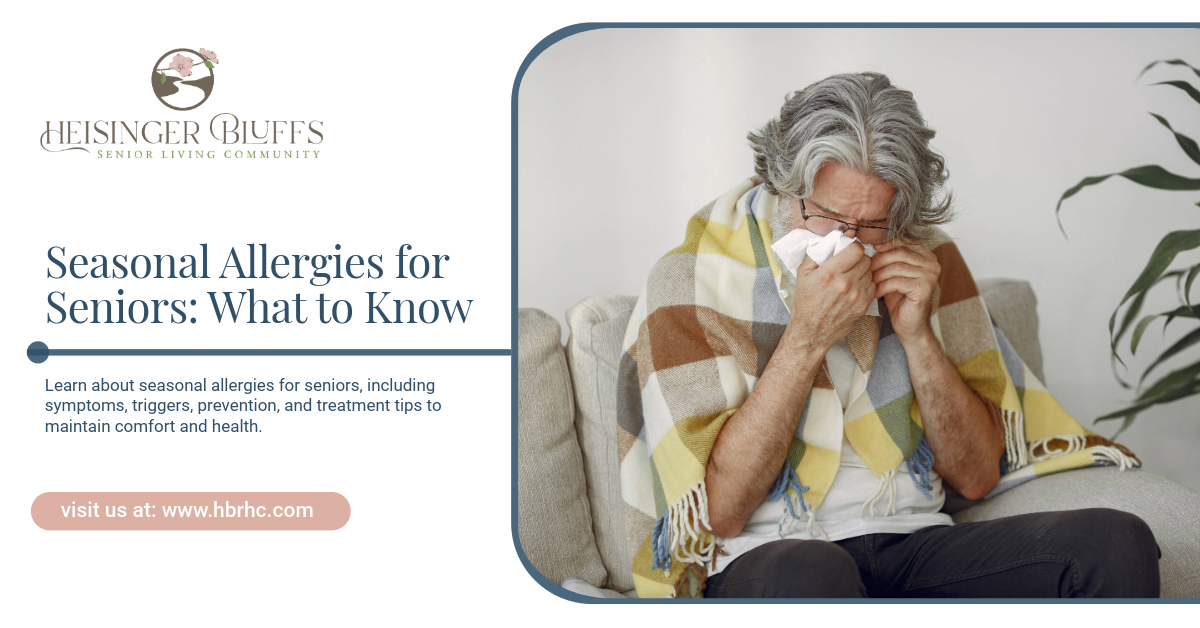
Seasonal Allergies for Seniors: What to Know
Key Highlights
- Seasonal allergies in seniors can present differently than in younger adults and may affect breathing, sleep, and overall health.
- Common triggers include pollen, mold, dust, and outdoor irritants.
- Seniors may experience more severe symptoms due to preexisting conditions such as asthma or heart disease.
- Preventive measures and tailored treatments can significantly reduce discomfort.
- Awareness and proactive management improve quality of life, particularly in senior living communities.
As the seasons change, many people experience sneezing, congestion, and itchy eyes. While these symptoms are often considered minor, seasonal allergies can pose unique challenges for seniors. Aging affects the immune system, respiratory function, and the body’s ability to respond to environmental irritants, making allergy management especially important.
Recent studies from the American College of Allergy, Asthma & Immunology (ACAAI) highlight that seniors may experience different symptoms and complications from seasonal allergies, including increased risk for sinus infections, fatigue, and disrupted sleep.
In this guide, we’ll explore what seniors need to know about seasonal allergies, including triggers, symptoms, prevention strategies, and treatment options. We’ll also include real-world examples from senior care practice to provide practical insights.
Understanding Seasonal Allergies in Seniors
Seasonal allergies, also called hay fever or allergic rhinitis, occur when the immune system overreacts to environmental allergens. Common allergens include:
- Tree, grass, and weed pollen
- Mold spores
- Dust or dust mites
- Outdoor pollution
In seniors, these allergens may cause symptoms ranging from mild irritation to significant discomfort. Age-related changes, such as weaker immune response, reduced lung function, and existing chronic conditions, can intensify reactions.
Common Symptoms in Seniors
Symptoms of seasonal allergies in older adults can differ from those of younger individuals. While sneezing and runny noses are common, seniors may also experience:
- Persistent cough or wheezing
- Shortness of breath
- Fatigue or weakness
- Headaches
- Sleep disturbances
- Irritated or watery eyes
It’s important to note that some symptoms may mimic or worsen chronic conditions like asthma, COPD, or heart disease, so careful evaluation is essential.
Why Seniors Are More Vulnerable
Aging bodies are more susceptible to complications from allergies due to:
- Weakened immune systems: The body may overreact to allergens or struggle to recover from inflammation.
- Respiratory changes: Reduced lung capacity can make nasal congestion and wheezing more problematic.
- Medication interactions: Common allergy treatments like antihistamines may interact with blood pressure or heart medications.
- Chronic conditions: Allergies can exacerbate asthma, COPD, or cardiovascular issues.
Real-World Observation
During allergy season, staff in senior communities often notice that residents with preexisting respiratory conditions are more likely to experience severe reactions, requiring adjustments to care plans and medication management.
Common Triggers for Seniors
Understanding triggers is the first step in prevention. Seniors are sensitive to both indoor and outdoor allergens.
| Allergen | Typical Sources | Notes for Seniors |
|---|---|---|
| Pollen | Trees, grasses, weeds | High levels in spring and fall; wind spreads pollen easily |
| Mold | Damp areas, bathrooms, basements | Exposure can increase respiratory issues |
| Dust mites | Bedding, carpets, upholstery | Often found indoors year-round |
| Pet dander | Cats, dogs, birds | Can trigger symptoms even in well-maintained homes |
| Pollution/Smoke | Vehicle exhaust, fireplaces | Can worsen allergy and respiratory symptoms |
Example from Practice
We’ve seen residents who previously experienced only mild seasonal sneezing develop persistent coughs and fatigue when exposed to pollen and dust indoors. Adjusting cleaning routines and improving ventilation helped reduce symptoms significantly.
Prevention Strategies for Seniors
Prevention is crucial for minimizing allergy impact. Seniors and caregivers can implement several strategies:
1. Monitor Pollen Levels
Check local pollen forecasts and limit outdoor exposure during peak pollen times, usually mid-morning and early evening.
2. Indoor Air Quality
- Use HEPA filters in living spaces
- Keep windows closed during high pollen days
- Use dehumidifiers to reduce mold
3. Clean and Vacuum Regularly
Frequent cleaning reduces dust, mold, and pet dander.
4. Personal Protection
- Wear masks during outdoor activities
- Sunglasses can reduce eye irritation
- Shower and change clothes after spending time outside
5. Manage Medications Safely
Seniors should consult healthcare providers before taking over-the-counter antihistamines, decongestants, or nasal sprays, especially if they have heart, kidney, or blood pressure issues.
Case Insight
In our sessions, residents who followed a structured cleaning and air filtration routine reported fewer sneezing episodes and improved sleep during peak allergy season.
Treatment Options for Seniors
Treatment should be individualized, balancing effectiveness with safety.
Common Approaches
- Antihistamines: Reduce sneezing, runny nose, and itching; newer, non-drowsy options may be safer for seniors.
- Nasal corticosteroids: Reduce inflammation and congestion; require proper guidance.
- Saline rinses: Help clear nasal passages and allergens without medication side effects.
- Allergy immunotherapy: For long-term relief under medical supervision.
Example from Practice
We’ve observed that residents who switched to non-drowsy antihistamines in combination with saline nasal rinses experience significant symptom relief while maintaining alertness for daily activities.
Lifestyle Considerations for Seniors
Beyond medications, certain lifestyle habits can reduce allergy severity:
- Hydration: Drinking plenty of water keeps nasal passages moist.
- Balanced diet: Foods rich in antioxidants can support immune function.
- Exercise: Light outdoor exercise improves circulation and respiratory health.
- Sleep hygiene: Managing sleep during allergy season reduces fatigue.
Real-World Observation
In our sessions, residents who maintained consistent hydration and participated in morning walks in filtered outdoor spaces reported fewer fatigue symptoms and more consistent energy levels.
When to Seek Medical Attention
Allergy symptoms can sometimes indicate more serious conditions. Seniors should contact a healthcare professional if they experience:
- Shortness of breath or wheezing
- Chest tightness
- Severe or persistent headaches
- Fever with congestion
- Swelling or skin reactions
Prompt attention ensures that seasonal allergies don’t exacerbate existing health conditions.
Creating a Senior-Friendly Allergy Environment
Senior living communities can play a critical role in allergy management by:
- Maintaining clean, dust-free indoor spaces
- Providing HEPA filtration and dehumidifiers
- Offering outdoor areas that reduce exposure to high pollen sources
- Educating residents and families on safe medication use
- Organizing low-allergen outdoor activities
Example from Practice
At senior living communities, staff have redesigned gardens with low-pollen plants and scheduled morning walks when pollen levels are low. Residents report fewer allergy flare-ups and increased enjoyment of outdoor time.
Final Thoughts
Seasonal allergies are a common concern for seniors, but can be effectively managed with awareness, prevention, and appropriate treatment. Understanding triggers, monitoring symptoms, and creating safe living environments can significantly improve comfort, health, and quality of life.
At Heisinger Bluffs, residents benefit from a supportive environment that addresses seasonal allergies through clean indoor spaces, safe outdoor areas, and staff-guided health practices. By taking a proactive approach, seniors can enjoy the seasons without compromising their well-being. Contact us today!
Frequently Asked Questions
Are seasonal allergies more severe in seniors?
Yes. Age-related changes in the immune system and preexisting conditions can make symptoms more pronounced.
How can seniors prevent allergy symptoms?
Monitoring pollen levels, maintaining clean indoor spaces, using air filters, and following safe medication practices are effective prevention strategies.
Are over-the-counter allergy medications safe for seniors?
Some are, but seniors should consult a healthcare provider to avoid interactions with heart, blood pressure, or kidney medications.
Can outdoor time worsen allergies for seniors?
Yes, exposure to high pollen or mold can trigger symptoms, but timing outdoor activities and protective measures can minimize risks.
When should seniors seek medical help for allergies?
Seek help if symptoms are severe, persistent, or interfere with breathing, sleep, or daily activities.
Sources:
- https://acaai.org/allergies/symptoms/fatigue/
- https://my.clevelandclinic.org/health/diseases/8622-allergic-rhinitis-hay-fever
- https://www.medicalnewstoday.com/articles/allergies-getting-worse-with-age
- https://www.epa.gov/indoor-air-quality-iaq/what-hepa-filter
- https://pmc.ncbi.nlm.nih.gov/articles/PMC5362176/



Share This Article
You May Also Like To Read