
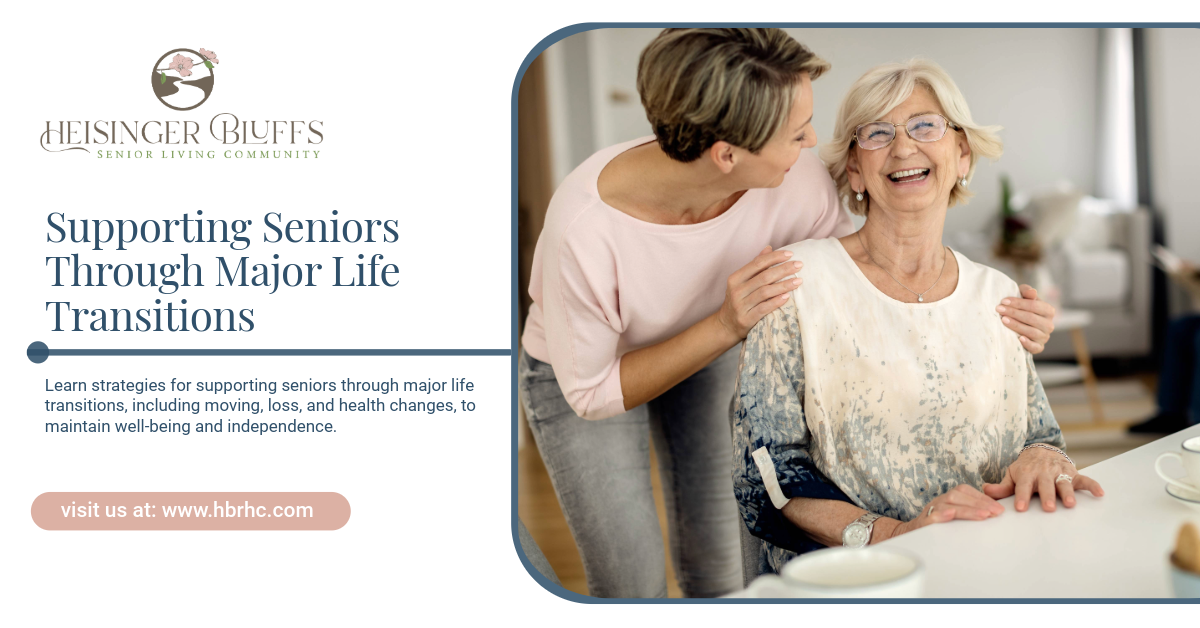
Supporting Seniors Through Major Life Transitions
Key Highlights
- Major life transitions, such as moving, health changes, or loss, can impact seniors’ emotional, physical, and cognitive well-being.
- Support strategies include open communication, structured routines, and emotional validation.
- Professional care environments provide resources and guidance to ease transitions.
- Social engagement, personalized care, and therapy interventions can reduce stress and promote adjustment.
- Case studies show that proactive support improves quality of life and fosters resilience in seniors.
Aging often comes with significant life changes. Whether it’s moving to a senior living community, coping with the loss of a spouse, or adjusting to new health conditions, seniors face transitions that can affect their emotional, physical, and social well-being.
Research consistently emphasizes that major life transitions are among the most stressful experiences for older adults, often triggering anxiety, depression, or physical health decline if not properly supported. According to the American Psychological Association, structured support and proactive planning can mitigate these effects, helping seniors maintain independence and quality of life.
In this guide, we’ll explore how to support seniors through major life transitions, offering practical strategies, real-world examples, and professional insights.
Understanding Major Life Transitions in Seniors
Major life transitions can vary widely but often include:
- Moving to a senior living or assisted living community
- Retirement or changes in daily routine
- Loss of a spouse, friend, or family member
- Health-related changes, including chronic illness or surgery
- Downsizing or selling a long-term home
These transitions can impact several dimensions of life:
| Dimension | Potential Impact |
|---|---|
| Emotional | Anxiety, sadness, or fear of the unknown |
| Physical | Fatigue, sleep disruption, or changes in appetite |
| Cognitive | Confusion, memory difficulties, or decreased decision-making confidence |
| Social | Reduced engagement or withdrawal from community |
1. Moving to a Senior Living Community
Transitioning from a long-term home to a senior living environment is one of the most common and significant life changes for older adults.
Challenges Seniors Face
- Leaving familiar surroundings
- Adjusting to shared spaces or communal living
- Concerns about independence
- Fear of social isolation
Support Strategies
- Pre-move visits: Familiarize the senior with the new environment.
- Personalization: Arrange the new space with familiar belongings to create comfort.
- Structured orientation: Introduce community routines, activities, and support staff.
- Peer connections: Facilitate friendships through social events or small group activities.
Real-World Observation
We’ve seen residents who were initially hesitant about moving flourish after participating in guided tours and social mixers before the official move. Familiarizing them with staff, neighbors, and amenities reduced stress and encouraged engagement.
2. Coping with Loss
Loss is an inevitable part of aging, whether it’s the death of a spouse, a close friend, or even a pet. Seniors may experience grief, depression, and loneliness.
Support Strategies
- Open conversations: Encourage seniors to express feelings without judgment.
- Grief counseling: Access to therapy or support groups helps navigate emotions.
- Memorial rituals: Honoring memories provides closure.
- Community engagement: Staying connected with peers reduces isolation.
Example from Practice
In group sessions, residents who attended facilitated grief workshops showed improved mood and engagement in community activities. Staff observed that shared experiences fostered peer support and reduced feelings of loneliness.
3. Adjusting to Health Changes
Health-related transitions can include chronic illness diagnoses, surgeries, or the onset of mobility limitations.
Common Challenges
- Physical limitations or pain
- Changes in independence
- Fear of medical complications
Support Strategies
- Healthcare coordination: Ensure medical appointments and therapies are managed efficiently.
- Adaptive equipment: Provide mobility aids or modifications to living spaces.
- Exercise programs: Low-impact activities maintain strength and balance.
- Education: Teach seniors about their conditions to empower decision-making.
Case Insight
In our sessions, residents recovering from joint replacement surgery who participated in structured rehabilitation programs within the community regained mobility faster than those who attempted unsupervised exercises. Ongoing support and encouragement improved confidence and reduced fear of falling.
4. Maintaining Social Connections
Major transitions can disrupt social networks. Seniors may lose access to familiar friends, neighbors, or community groups, leading to isolation.
Strategies to Support Social Engagement
- Encourage participation in clubs, classes, or group activities
- Facilitate regular family visits or virtual calls
- Introduce mentorship or buddy systems with peers
- Organize events that celebrate hobbies or shared interests
Real-World Example
We’ve seen that seniors who actively engage in social activities after a move are more likely to report higher life satisfaction. Residents who participate in weekly walking groups, gardening clubs, or hobby workshops often regain a sense of purpose and belonging.
5. Preserving Routine and Independence
Routine provides a sense of stability during times of change. Maintaining familiar daily habits can help seniors adjust more comfortably.
Key Strategies
- Gradual introduction of new routines alongside existing ones
- Consistent meal, sleep, and activity schedules
- Opportunities for self-care and decision-making
- Encouraging participation in planning daily activities
Example
We’ve observed that residents who continue to manage personal tasks—such as choosing clothing or participating in meal planning—feel more autonomous and confident despite significant life changes.
6. Emotional and Psychological Support
Transitions often trigger anxiety, stress, or depression. Providing emotional support is crucial for mental well-being.
Strategies Include
- Therapy or counseling: Individual or group sessions help process change
- Mindfulness practices: Meditation or breathing exercises reduce stress
- Creative outlets: Art, music, or journaling fosters emotional expression
- Peer mentoring: Sharing experiences with other seniors enhances resilience
Case Insight
In one community program, seniors participating in mindfulness and art workshops reported reduced anxiety and improved mood. Staff noted higher participation in social and physical activities afterward, indicating enhanced overall well-being.
7. Family Involvement in Transitions
Families play a vital role in helping seniors navigate life changes.
Recommendations
- Include seniors in decision-making about moves or health changes
- Communicate openly about expectations and concerns
- Offer consistent support without undermining independence
- Participate in community events to maintain strong connections
Real Example
Families who attended move-in orientations or health workshops with residents reported smoother transitions and better communication with care staff, leading to reduced stress for both seniors and family members.
8. Tailoring Support to Individual Needs
Every senior’s experience is unique. Personalized support considers:
- Health status
- Personality and coping style
- Social preferences
- Cognitive abilities
Personalized Support Approaches
| Transition Type | Support Strategies | Outcome |
|---|---|---|
| Move to senior living | Pre-move visits, orientation, personal items | Faster adjustment, reduced anxiety |
| Health changes | Therapy, adaptive equipment, education | Improved mobility, confidence |
| Loss | Counseling, peer support, memorial rituals | Enhanced emotional well-being |
| Social disruption | Group activities, mentorship, family engagement | Increased life satisfaction |
Final Thoughts
Major life transitions are an inevitable part of aging. With proactive support, structured routines, emotional guidance, and social engagement, seniors can navigate these changes successfully while maintaining independence, confidence, and quality of life.
At Heisinger Bluffs, residents receive tailored support during transitions—whether moving into a new community, adjusting to health changes, or coping with personal loss. Through individualized care plans, social programs, and emotional guidance, seniors are empowered to embrace change and thrive in every stage of life. Contact us today!
Frequently Asked Questions
What are common major life transitions for seniors?
Common transitions include moving to senior living, retirement, health changes, loss of loved ones, and downsizing.
How can families support seniors during transitions?
Families can provide emotional support, participate in decision-making, maintain open communication, and encourage social engagement.
How do senior living communities help with transitions?
Communities offer structured routines, social programs, therapy services, orientation, and personalized support to ease adjustment.
Can seniors maintain independence during major life changes?
Yes. Tailored support, participation in daily decisions, and maintaining routines help seniors retain autonomy.
When should professional help be sought during transitions?
Seek professional guidance if seniors experience prolonged anxiety, depression, mobility loss, or difficulty adjusting to new routines.
Sources:
- https://pmc.ncbi.nlm.nih.gov/articles/PMC9453913/
- https://www.psychologytoday.com/us/blog/raging-with-grace/202403/aging-often-means-losing-those-around-us
- https://www.apa.org/practice/guidelines/guidelines-psychological-practice-older-adults.pdf
- https://www.ncoa.org/article/the-top-10-most-common-chronic-conditions-in-older-adults/
- https://www.helpguide.org/mental-health/depression/depression-in-older-adults


Share This Article
You May Also Like To Read