
What Is Caregiver Burnout?

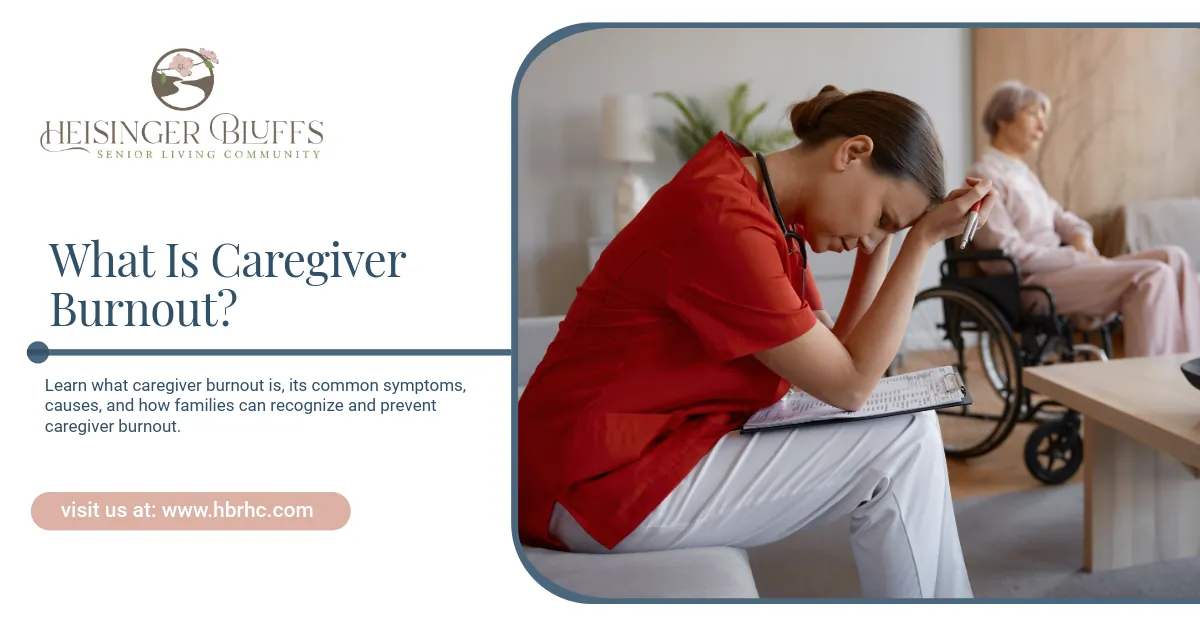
A caregiver with her head in her hands, looking exhausted, sits near an elderly person in a wheelchair.

Many families ask, what is caregiver burnout? Caregiver burnout is a state of physical, emotional, and mental exhaustion caused by the prolonged stress of caring for a loved one. It often affects family members who provide ongoing support without enough rest or help.


Common signs of caregiver burnout include chronic fatigue, irritability, anxiety, sleep problems, and feelings of resentment or guilt. Caregivers may also withdraw socially or neglect their own health.


The causes of caregiver burnout typically include long hours of care, lack of support, financial strain, and balancing caregiving with work or family responsibilities. Feeling solely responsible for a loved one’s well-being increases stress over time.


If left unaddressed, caregiver burnout can impact both the caregiver’s health and the quality of care provided. Seeking support, sharing responsibilities, and exploring senior living options can help reduce stress and restore balance. Communities like Heisinger Bluffs offer professional care that supports both seniors and their families.


Frequently Asked Questions

  • Is caregiver burnout a medical condition?

    No, but it can lead to serious health problems if ignored.

  • How long does caregiver burnout last?

    It varies and improves with rest, support, and resources.

  • Can caregiver burnout be prevented?

    Yes, through self-care, support systems, and shared caregiving.


Sources:

  • https://my.clevelandclinic.org/health/diseases/9225-caregiver-burnout
  • https://www.uhc.com/health-and-wellness/caregiver-resources/caregiver-burnout-and-strategies-for-coping

Heisinger Bluffs logo
A nurse sitting next to an elderly woman on a couch
SCHEDULE A TOUR
Google rating average 4.65 rating out of 60 reviews

Want to know more?

Share This Article

You May Also Like To Read

A nurse assisting an elderly woman in bed;
By Heisinger Bluffs Editorial January 21, 2026
Learn when physical changes are a medical emergency and which warning signs in older adults require immediate care.
Older adult with hands on face, looking distressed.
By Heisinger Bluffs Editorial January 21, 2026
Learn what causes paranoia in older adults, including medical, cognitive, and emotional factors families should recognize.
An elderly woman with her hands covering her face, losing interest in her hobby
By Heisinger Bluffs Editorial January 21, 2026
Is it normal for seniors to lose interest in hobbies? Learn common reasons, when to be concerned, and how families can help.
An elderly man sitting on a desk, scratching his head, showing confusion
By Heisinger Bluffs Editorial January 21, 2026
Learn the most common challenges seniors face, from health changes to social isolation, and how families can better support aging adults.
Smiling senior couple holding mugs, sitting outdoors with fruits.
By Heisinger Bluffs Editorial January 21, 2026
Discover essential preventive healthcare tips for seniors, from screenings to lifestyle changes, to stay healthy and active.
An elderly person with dementia is seated with a cane, looking out a window.
By Heisinger Bluffs Editorial January 21, 2026
Learn how dementia affects daily life, from memory challenges to routine tasks, and discover practical tips for caregivers and families.
More Posts