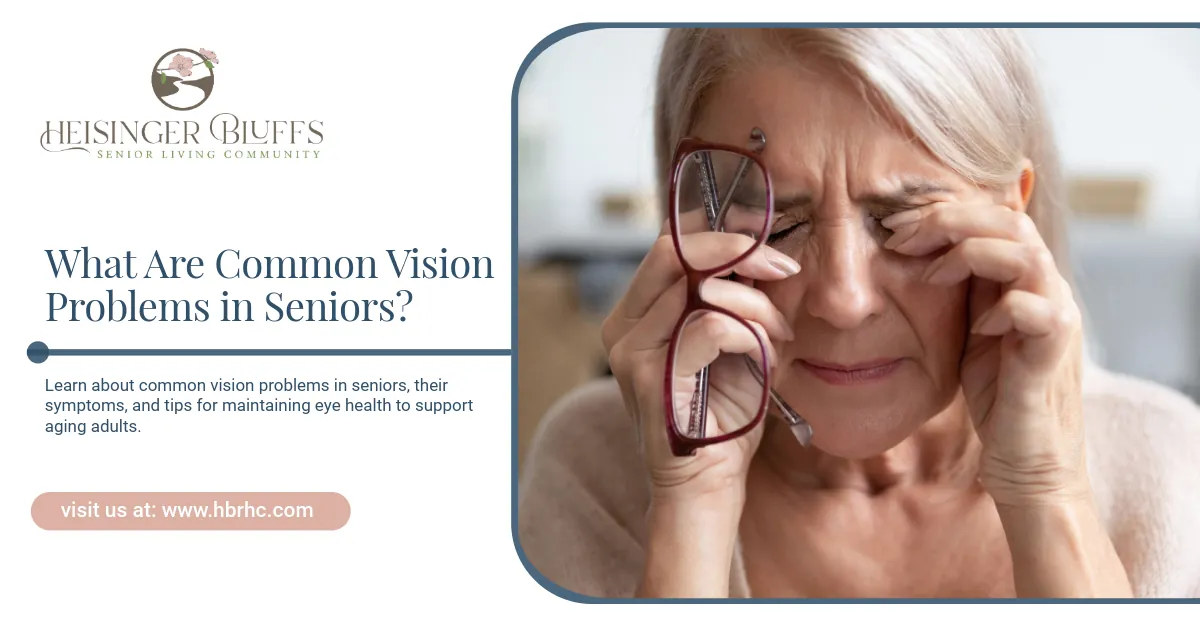
As we age, our eyes naturally change, making older adults more susceptible to vision problems. Recognizing these issues early can improve quality of life and safety.
Common Vision Problems
- Cataracts: Clouding of the eye lens, causing blurry or dim vision.
- Glaucoma: Increased eye pressure that can damage the optic nerve, leading to peripheral vision loss.
- Macular Degeneration: Deterioration of the central retina, affecting sharp, detailed vision.
- Diabetic Retinopathy: Damage to retinal blood vessels from diabetes, causing blurred or fluctuating vision.
- Presbyopia: Age-related difficulty focusing on close objects, common in people over 40.
Tips for Maintaining Eye Health
- Schedule regular eye exams.
- Manage chronic conditions like diabetes and high blood pressure.
- Protect eyes from UV rays with sunglasses.
- Maintain a healthy diet rich in vitamins A, C, and E.
Early detection and treatment of these conditions can prevent worsening vision and maintain independence. Seniors experiencing sudden vision changes should consult an eye care professional promptly.
At Heisinger Bluffs, residents have access to resources and support for maintaining healthy vision as part of comprehensive senior care.
Frequently Asked Questions
What are the first signs of cataracts?
Blurry or cloudy vision, glare from lights, and difficulty seeing at night.
Can glaucoma be prevented?
Regular eye exams and monitoring eye pressure can detect glaucoma early, preventing severe vision loss.
How does macular degeneration affect daily life?
It can make reading, recognizing faces, and performing detailed tasks difficult.
Sources:
- https://my.clevelandclinic.org/health/diseases/common-age-related-eye-problems
- https://www.aoa.org/healthy-eyes/eye-health-for-life/senior-vision