
Key Highlights
- Longevity is influenced by lifestyle, social connections, and purposeful living.
- Exercise, nutrition, and sleep are foundational for healthy aging.
- Real‑world examples show seniors thriving past 90 with intentional habits.
- Cognitive health can be maintained through mental challenges and social engagement.
- Emotional well‑being and community support significantly impact lifespan.
- Regular preventive healthcare and personalized care plans improve outcomes.
Aging is a natural part of life, but how we age—and how long we thrive—can be shaped by habits, environment, and mindset. With the global population of older adults increasing rapidly, researchers and health professionals are more focused than ever on understanding secrets to longevity for seniors. While genetics play a role, lifestyle and social factors often have a stronger influence on healthspan—the number of years one lives in good health.
In this blog, we’ll explore scientifically supported strategies for longevity that seniors can adopt to improve their quality of life. These insights come from gerontology research, clinical observations, and real‑life experiences from health professionals working with older adults.
Understanding Longevity: What the Science Tells Us
Longevity isn’t just about living longer—it’s about living healthier. Research from studies like the Blue Zones Project (communities around the world where people commonly live past 100) provides clues to lifestyle practices that support longevity. Common traits in these populations include plant‑rich diets, strong social bonds, regular physical activity, and stress management.
What Influences Longevity?
| Factor | Impact on Longevity |
|---|---|
| Nutrition | High |
| Physical Activity | High |
| Social Engagement | Moderate-High |
| Purpose & Mental Resilience | Moderate |
| Preventive Healthcare | High |
Nutrition: Fueling the Body for Longevity
Aging bodies process nutrients differently. Metabolic changes mean that older adults must focus on nutrient‑dense foods to support cellular repair, immune function, and energy levels.
Practical Nutrition Strategies
- Plant‑forward diets: Emphasizing vegetables, whole grains, legumes, nuts, and fruits.
- Healthy fats: Sources like olive oil and fatty fish support heart and brain health.
- Lean proteins: Essential for muscle maintenance and immune support.
- Hydration: Adequate fluid intake prevents dehydration and supports cognitive function.
Case Example: In our work with seniors in supportive communities, we’ve seen remarkable improvements when residents adopted more plant‑based meals and reduced processed sugars. One resident in her late 80s reported increased energy and fewer digestive issues after transitioning to Mediterranean‑style meals. Over six months, her weight stabilized, and she reported better mood and sleep quality—key markers linked to longevity outcomes in clinical nutrition studies.
Physical Activity: Move More, Live Better
Physical activity is one of the most powerful longevity boosters. It supports muscle strength, balance (reducing fall risk), cardiovascular health, and metabolic function.
Recommended Activities for Seniors
- Daily walking: Even 20–30 minutes can improve heart health.
- Strength training: Twice-weekly sessions help preserve muscle mass.
- Balance exercises: Tai chi and yoga reduce fall risk and enhance stability.
- Functional fitness: Activities that mimic daily movements improve independence.
Professional Insight: We routinely observe that residents who participate in consistent movement programs—whether group classes or individualized routines—experience fewer hospitalizations and maintain greater independence. Longitudinal data from senior fitness programs show that older adults who engage regularly in strength and balance training fall less often and maintain better mobility than those who are sedentary.
Sleep and Stress Management: Recharge for Longevity
Quality sleep and effective stress management are sometimes overlooked but are critical to healthy aging.
Sleep Tips for Seniors
- Maintain a consistent sleep schedule.
- Create a relaxing bedtime routine.
- Limit caffeine and screen time before bed.
- Address sleep apnea or other disorders with healthcare providers.
Stress and Mental Health
Chronic stress accelerates cellular aging by increasing inflammation and cortisol levels. Techniques like meditation, deep breathing, and social engagement help buffer the physiological effects of stress.
Example from Practice: One senior in her 90s attributed her sense of calm and mental clarity to daily mindfulness practices and mindfulness‑based stress reduction (MBSR) sessions. Over a year, she reported fewer anxiety episodes, better sleep quality, and increased engagement in daily activities—all contributing factors to improved longevity metrics in aging research.
Cognitive Engagement: Keep the Mind Active
Cognitive health is integral to overall well‑being. Stimulating the brain helps maintain neural connections and may delay cognitive decline.
Brain‑Boosting Activities
- Reading and lifelong learning
- Puzzles and strategy games
- Learning a new skill or language
- Social conversation and group activities
Data‑Backed Benefits: Neurological studies show that mentally stimulating activities are associated with a lower risk of dementia and slower cognitive decline. In clinical settings, older adults who engage socially and mentally tend to maintain functional memory longer than those with minimal engagement.
Social Connection: The Longevity Multiplier
Humans are inherently social creatures, and research consistently shows that strong social networks are linked to longer life expectancy. Isolation is associated with higher levels of depression, inflammation, and health risks.
Ways to Build Connection
- Regular social activities and group outings
- Volunteer opportunities
- Family engagement and intergenerational programs
- Community clubs or hobby groups
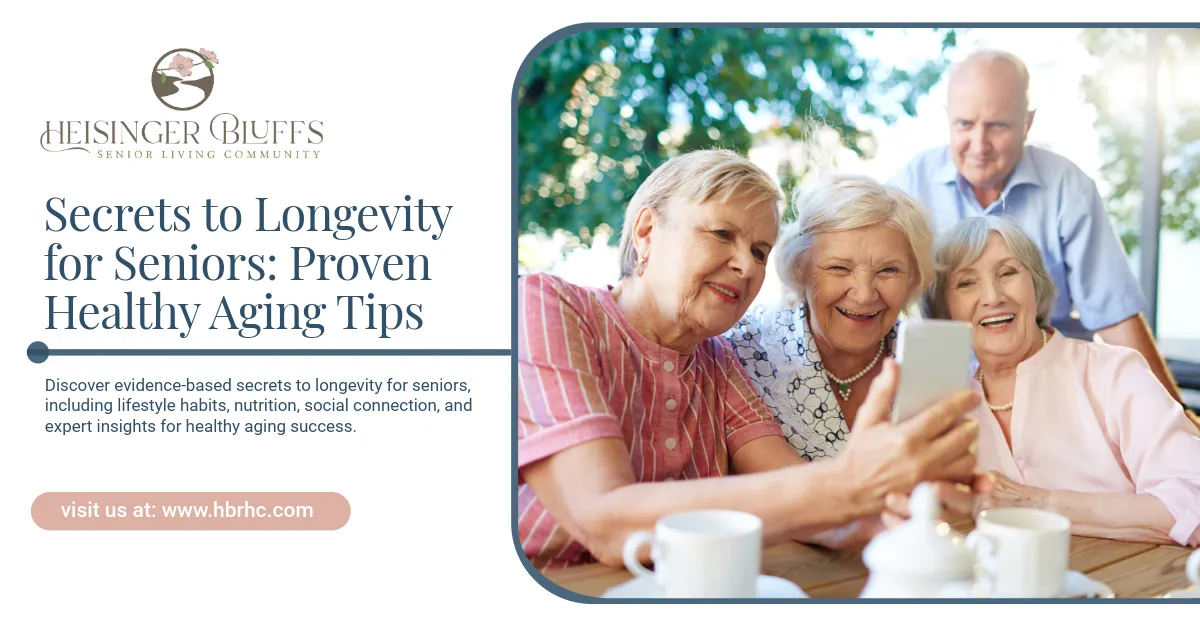
Observational Insight: In our experience working with older adults, those who maintain regular connections with peers, family, or community groups display higher levels of happiness and resilience. One long‑term participant in a community choir described how weekly rehearsals gave her purpose, reduced feelings of loneliness, and improved her overall outlook—a combination that research links with reduced mortality risk.
Preventive Healthcare: Partnering with Providers
Regular health screenings and preventive care allow early detection and management of chronic conditions. Seniors should work closely with healthcare professionals to develop individualized care plans.
Key Preventive Measures
- Annual physical exams
- Blood pressure, cholesterol, and glucose monitoring
- Cancer screenings per guidelines
- Vaccinations (e.g., flu, shingles, COVID‑19)
- Bone density testing for osteoporosis
Professional Perspective: Medical research underscores that early intervention in chronic diseases like hypertension and diabetes significantly reduces complication risks, ultimately supporting longer, healthier lives. Residents who maintain regular checkups and adhere to care recommendations often experience more stable health trajectories and greater independence.
Purpose, Meaning & Resilience
Longevity isn’t only about physical health—mental and emotional purpose significantly influence how we age. Feeling useful, engaged, and valued contributes to better health outcomes and emotional resilience.
How Purpose Supports Longevity
- Reduces stress and depressive symptoms
- Encourages active engagement and routine
- Promotes goal‑oriented behavior
One widely cited study from gerontology literature shows that older adults with a strong sense of purpose have lower mortality rates and better health markers than peers without such a sense of purpose.
Personal Story: A 95‑year‑old community member described how mentoring younger residents and participating in storytelling circles gave her daily motivation. Her caregivers noted improved mood, better appetite, and fewer hospital visits over two years—a real‑world example of how purpose enhances longevity.
The Role of Environment in Longevity
A supportive, safe, and engaging environment makes it easier for seniors to adopt healthy habits. Accessibility, social infrastructure, and community programs contribute positively to longevity outcomes.
Key Environmental Features That Support Longevity
- Accessible walking paths and exercise spaces
- Comfortable communal areas for socializing
- On‑site healthcare and wellness services
- Organized activities that encourage engagement
Final Thoughts
Longevity for seniors is achievable through a combination of lifestyle choices, social connections, preventive care, and emotional resilience. The evidence is clear: individuals who eat well, stay active, keep mentally engaged, manage stress, and foster meaningful relationships enjoy longer, healthier lives.
If you’re interested in a community that embraces these longevity‑focused strategies with personalized care and active lifestyle support, Heisinger Bluffs offers resources designed to help seniors thrive physically, mentally, and socially. Contact us today!
Frequently Asked Questions
What are the most important habits for longevity in seniors?
Healthy eating, regular exercise, quality sleep, mental engagement, and strong social connections are among the top factors linked with increased lifespan and quality of life.
Can seniors improve their longevity later in life?
Yes—numerous studies show that adopting healthy habits, even in later years, positively impacts physical and cognitive health and supports greater longevity.
How does social engagement affect longevity?
Social interaction reduces stress, supports emotional well‑being, and has been associated with lower mortality risk and better cognitive function.
What role does preventive healthcare play in longevity?
Preventive care allows early detection of health issues, effective management of chronic conditions, and overall better health trajectories, contributing to longer life expectancy.
Are there specific diets proven to support longevity?
Research supports diets rich in plant‑based foods, healthy fats (like those in the Mediterranean diet), lean proteins, and limited processed foods as beneficial for aging adults.
Sources;
- https://pmc.ncbi.nlm.nih.gov/articles/PMC6125071/
- https://www.sciencedirect.com/science/article/pii/S000291652306731X
- https://www.who.int/activities/reducing-social-isolation-and-loneliness-among-older-people
- https://www.ncoa.org/article/stress-and-how-to-reduce-it-a-guide-for-older-adults/
- https://www.cottagelitchfield.com/blog/how-physical-activity-improves-senior-health