
How Long Does It Take for Seniors to Adjust in Assisted Living?

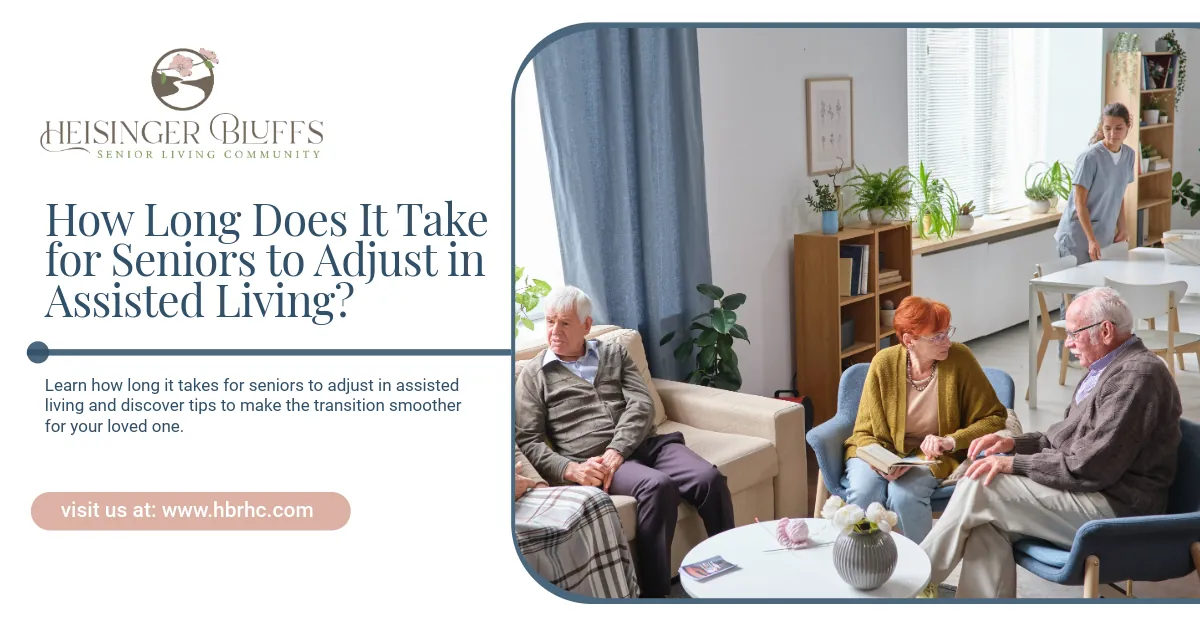
Elderly people in an assisted living setting

Adjusting to assisted living is a significant transition for seniors. On average, most seniors take 30 to 90 days to feel comfortable in their new environment, though the timeline can vary depending on personality, health, and social connections.

Factors that influence adjustment include:

  • Social engagement: Building friendships with peers and staff accelerates comfort.
  • Routine familiarity: Establishing daily routines helps seniors feel secure.
  • Personalization: Bringing familiar items from home can ease anxiety.

Patience and support from family members are essential. Regular visits, open communication, and encouraging participation in activities help seniors feel connected and confident in their new home.

Communities that offer structured programs and compassionate staff make this adjustment period smoother. Senior living communities like Heisinger Bluffs provide a supportive environment where seniors can gradually adapt while maintaining independence and dignity.

Frequently Asked Questions

Can some seniors adjust faster than others?

Yes, personality, health, and prior experiences affect adjustment time.

How can families help during the transition?

Frequent visits, encouragement, and involving seniors in routines help.

What if a senior struggles to adjust?

Staff can provide personalized support and connect them with social or therapeutic programs.


Sources:

  • https://www.uhc.com/news-articles/healthy-living/help-a-loved-one-adjust-to-elder-care-facility
  • https://www.ahcancal.org/Assisted-Living/Consumer-Resources/Documents/Moving%20Into%20AL.pdf

Share This Article

Facebook X / Twitter LinkedIn Email

More Posts

A caregiver talking to an elderly man sitting in a wheelchair
Article October 22, 2026

Why Continuity of Care Matters When Seniors Change Providers

By Heisinger Bluffs Editorial

Continuity of care matters when seniors change providers. Learn how to share records, keep routines, and protect health through every transition.

Read article
A woman talking to an elderly woman sitting in wheelchair
Article October 21, 2026

How Families Can Stay Involved in Care Without Overstepping

By Heisinger Bluffs Editorial

Learn how families can stay involved in care without overstepping, with practical tips on communication, boundaries, and supporting your loved one.

Read article
A senior sitting on a couch reading a book, while a girl stands behind her
Article October 20, 2026

What to Include in a Senior's Personal Care Preferences

By Heisinger Bluffs Editorial

Learn what to include in a senior's personal care preferences, from daily routines to dignity and privacy, so caregivers honor what matters most.

Read article
An adult sitting at a table, organizing her aging parent's medical records
Article October 19, 2026

How to Organize Medical Records for an Aging Parent

By Heisinger Bluffs Editorial

Learn how to organize medical records for an aging parent with a simple binder system, checklists, and digital tips that keep care organized and stress low.

Read article
An elderly man with dementia having a meal at a table
Article October 15, 2026

How Dementia Can Affect Appetite and Eating Habits

By Heisinger Bluffs Editorial

Learn how dementia can affect appetite and eating habits, why changes happen, signs to watch for, and caring ways to support a loved one at mealtimes.

Read article
A senior happily carrying a box, moving into a senior living facility
Article October 14, 2026

How to Make a Senior Living Transition Feel Less Overwhelming

By Heisinger Bluffs Editorial

Make a senior living transition less overwhelming with practical steps for planning, downsizing, moving day, and settling in for seniors and families.

Read article

Join our newsletter

Sign up for our mailing list & get our monthly news and updates!

* indicates required