

Why Do Recovery Times Increase with Age?
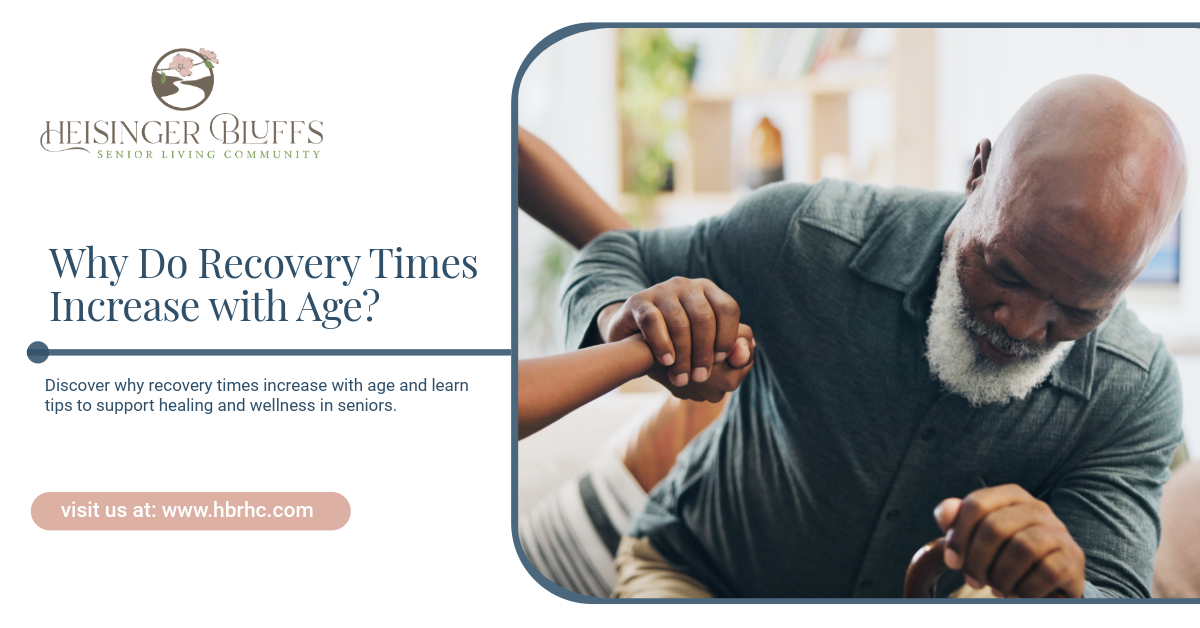
As we age, the body’s ability to heal and recover naturally slows down. Several factors contribute to longer recovery times for seniors:
- Slower Cell Regeneration: Older adults produce new cells more slowly, meaning wounds, injuries, and illnesses take longer to heal.
- Reduced Muscle Mass and Strength: Loss of muscle and bone density can make physical recovery more difficult and prolong rehabilitation.
- Weakened Immune System: The immune system becomes less efficient with age, slowing the body’s response to infections and illnesses.
- Chronic Health Conditions: Conditions like diabetes, heart disease, or arthritis can interfere with healing and extend recovery periods.
- Medication Effects: Certain medications common in older adults may delay healing or impact energy levels.
By understanding these factors, seniors can take proactive steps—like staying active, eating nutrient-rich foods, and following medical guidance—to support faster recovery. Communities like Heisinger Bluffs provide resources and programs designed to help seniors maintain health and wellness.
Frequently Asked Questions
Is it normal for recovery to be slower after 60?
Yes, slower recovery is a natural part of aging but can be managed with proper care.
Can exercise improve recovery times?
Absolutely. Regular, gentle exercise strengthens muscles and supports overall healing.
Should seniors see a doctor if recovery is unusually slow?
Yes, persistent slow recovery may indicate underlying health issues that need attention.
Sources:
- https://pmc.ncbi.nlm.nih.gov/articles/PMC10854791/
- https://www.nhs.uk/live-well/exercise/physical-activity-guidelines-older-adults/


Share This Article
You May Also Like To Read
Wondering when long-term care for seniors is recommended? Learn the key signs, care options, and how families can decide on the right time to move.

Learn how speech therapy after a health setback helps seniors recover speech, swallowing, memory, and confidence after a stroke, illness, or surgery.

Considering a career in senior care? Learn about roles, training, skills, pay factors, and growth paths to decide if this rewarding field is right for you.

Touring a skilled nursing community? Learn the key questions to ask about the skilled nursing care team, from staffing and training to communication.
Activities of Daily Living are the six basic self care tasks that shape senior care needs. Learn what they are, how they are assessed, and why they matter.
Wondering when assisted living becomes safer than living alone? Learn the real warning signs, hidden risks, and how to know it is time to make a change.