

Speech Therapy in Rehabilitation: Enhancing Communication and Recovery
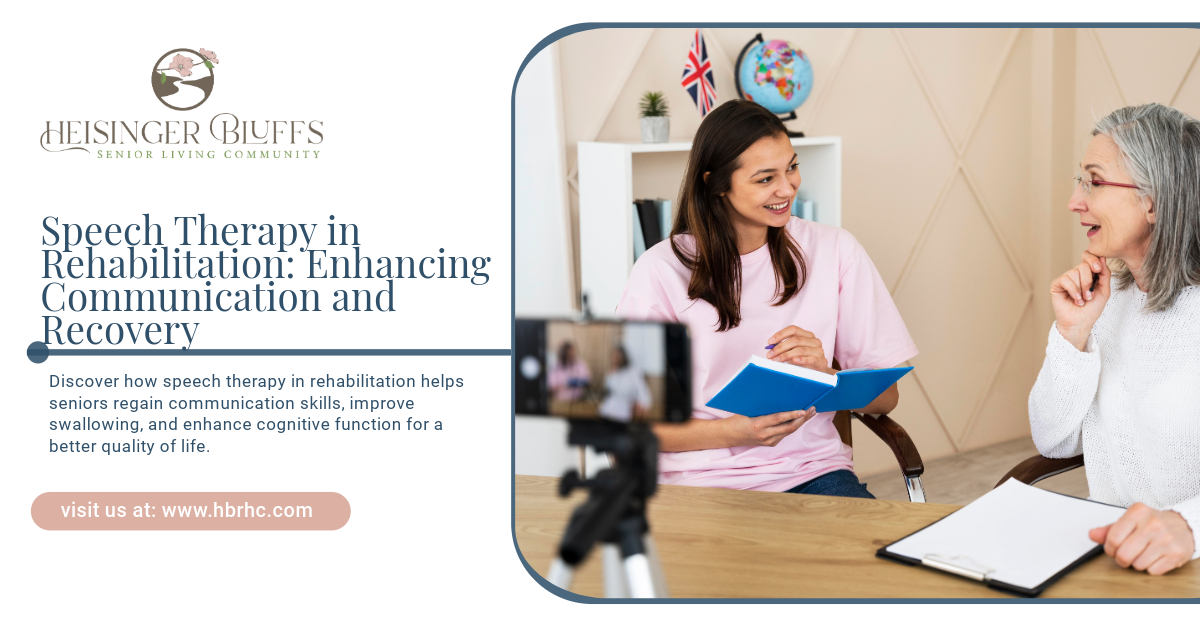
Speech therapy plays a crucial role in rehabilitation, especially for seniors recovering from strokes, neurological disorders, or other medical conditions. It helps improve speech, language, cognitive abilities, and swallowing functions. Effective speech therapy not only enhances communication but also contributes to overall well-being and independence.
In this blog, we’ll explore the importance of speech therapy in rehabilitation, the conditions it addresses, key therapy techniques, and the benefits it provides for seniors.
What is Speech Therapy?
Speech therapy is a specialized form of treatment designed to address communication disorders, speech impairments, cognitive-linguistic difficulties, and swallowing issues. It is provided by a licensed speech-language pathologist (SLP) who works closely with patients to restore their ability to speak, understand, and express themselves effectively.
This therapy is particularly beneficial for seniors who experience speech and language difficulties due to aging, stroke, dementia, Parkinson’s disease, or traumatic brain injuries.
Common Conditions That Require Speech Therapy in Rehabilitation
1. Stroke Recovery
A stroke can damage the brain’s language center, leading to conditions such as aphasia (difficulty speaking and understanding language) or dysarthria (slurred or weak speech). Speech therapy helps stroke survivors regain their ability to communicate and use alternative methods if necessary.
2. Parkinson’s Disease
Many individuals with Parkinson’s experience reduced speech volume, slurred words, or difficulty swallowing. Speech therapy techniques like the Lee Silverman Voice Treatment (LSVT) can help improve vocal strength and clarity.
3. Dementia and Cognitive Decline
Seniors with dementia may struggle with word-finding, memory loss, and communication breakdowns. Speech therapy provides cognitive exercises to slow progression and enhance communication skills.
4. Traumatic Brain Injury (TBI)
After a head injury, seniors may experience language processing difficulties, memory issues, or challenges with organizing thoughts. Speech therapy assists in improving these cognitive-linguistic functions.
5. Swallowing Disorders (Dysphagia)
Dysphagia is a common condition among older adults that can lead to choking or aspiration pneumonia. Speech therapists assess swallowing function and provide exercises to strengthen muscles and improve safe swallowing.
Key Techniques Used in Speech Therapy
1. Articulation and Pronunciation Exercises
These exercises focus on improving the clarity of speech by strengthening oral muscles and enhancing articulation.
2. Breathing and Voice Control Training
Techniques such as diaphragmatic breathing help seniors with voice projection and speech clarity, especially those with Parkinson’s disease or respiratory difficulties.
3. Cognitive-Linguistic Therapy
SLPs use memory exercises, problem-solving tasks, and conversational training to improve cognitive function in seniors with dementia or brain injuries.
4. Swallowing Therapy
For seniors with dysphagia, speech therapists use exercises that strengthen throat muscles, modify diets for safer swallowing, and recommend alternative feeding methods if necessary.
5. Alternative Communication Strategies
For individuals with severe speech impairments, therapists introduce communication devices, visual aids, and sign language to facilitate effective interaction.
Benefits of Speech Therapy in Rehabilitation
1. Improved Communication Skills
Speech therapy helps seniors regain their ability to express thoughts, understand language, and participate in conversations, reducing frustration and isolation.
2. Enhanced Cognitive Function
By engaging in memory and problem-solving exercises, seniors can maintain mental sharpness and slow cognitive decline.
3. Strengthened Swallowing Function
Therapy reduces the risk of choking and aspiration pneumonia, ensuring safer eating and drinking experiences.
4. Boosted Confidence and Social Engagement
Regaining communication abilities helps seniors stay socially active and maintain relationships with loved ones.
5. Greater Independence
Improved speech and swallowing function enable seniors to perform daily activities more effectively, promoting a higher quality of life.
How to Get Started with Speech Therapy
If you or a loved one could benefit from speech therapy, the first step is to consult a healthcare provider or a rehabilitation specialist. A speech-language pathologist will assess the specific needs and develop a personalized therapy plan. Consistent practice and caregiver involvement can enhance progress and overall success.
At Heisinger Bluffs, we provide comprehensive rehabilitation services, including specialized speech therapy programs tailored to seniors' unique needs. Our dedicated team works closely with residents to improve communication, cognition, and swallowing abilities, ensuring a comfortable and fulfilling lifestyle.
Frequently Asked Questions
How long does speech therapy take to show results?
The duration of speech therapy varies based on the individual’s condition and progress. Some seniors may see improvement in a few weeks, while others may require ongoing therapy for several months.
Can speech therapy help with age-related speech difficulties?
Yes, speech therapy can assist seniors experiencing natural changes in speech due to aging by improving clarity, vocal strength, and cognitive function.
Is speech therapy covered by insurance or Medicare?
Many insurance plans, including Medicare, cover speech therapy when prescribed by a doctor. It’s best to check with your insurance provider for specific coverage details.
Sources:
- https://www.healthline.com/health/speech-therapy
- https://www.asha.org/certification/
- https://www.mayoclinic.org/diseases-conditions/aphasia/symptoms-causes/syc-20369518
- https://www.apdaparkinson.org/article/lsvt-and-parkinsons-disease/
- https://my.clevelandclinic.org/health/symptoms/21195-dysphagia-difficulty-swallowing
- https://www.health.harvard.edu/healthbeat/learning-diaphragmatic-breathing



Share This Article
You May Also Like To Read