
Retirement is a time to embrace freedom, explore new interests, and enjoy life to the fullest. However, for many seniors, home maintenance, health concerns, and isolation can make retirement more stressful than enjoyable. Independent living communities offer a solution by providing a supportive environment where seniors can live comfortably while maintaining their independence.
In this blog, we’ll explore the benefits ofindependent living, how it enhances senior well-being, and why it’s a great option for those looking to make the most of their golden years.
What is Independent Living?
Independent living is designed for active seniors who want to enjoy a maintenance-free lifestyle while having access to amenities, social opportunities, and assistance when needed. Unlike assisted living or nursing homes, independent living allows seniors to maintain autonomy while benefiting from a secure and engaging community environment.
Residents typically live in private apartments, cottages, or villas and have access to services like housekeeping, dining, recreational activities, and transportation. This setup allows seniors to focus on enjoying their retirement without the burdens of home upkeep.
The Key Benefits of Independent Living
1. A Maintenance-Free Lifestyle
One of the biggest advantages of independent living is the relief from home maintenance responsibilities. Tasks like lawn care, home repairs, and housekeeping are taken care of, allowing seniors to enjoy a stress-free environment.
2. Enhanced Social Opportunities
Loneliness and isolation can negatively impact senior health. Independent living communities foster social interaction through events, clubs, and group activities. From fitness classes to art workshops, residents have plenty of opportunities to connect with others and build meaningful relationships.
3. Access to Amenities and Activities
Independent living communities offer a range of amenities such as fitness centers, swimming pools, game rooms, and libraries. Scheduled activities likeyoga, gardening, and educational seminars keep residents engaged and active.
4. Safety and Security
Many seniors worry about safety, especially if they live alone. Independent living communities provide a secure environment with emergency response systems, on-site staff, and controlled access, giving residents and their families peace of mind.
5. Nutritious Meal Options
Cooking every mealcan become a challenge as seniors age. Many independent living communities provide dining options with chef-prepared meals that cater to various dietary needs. This ensures residents enjoy healthy, balanced meals without the hassle of meal preparation.
6. Convenient Transportation Services
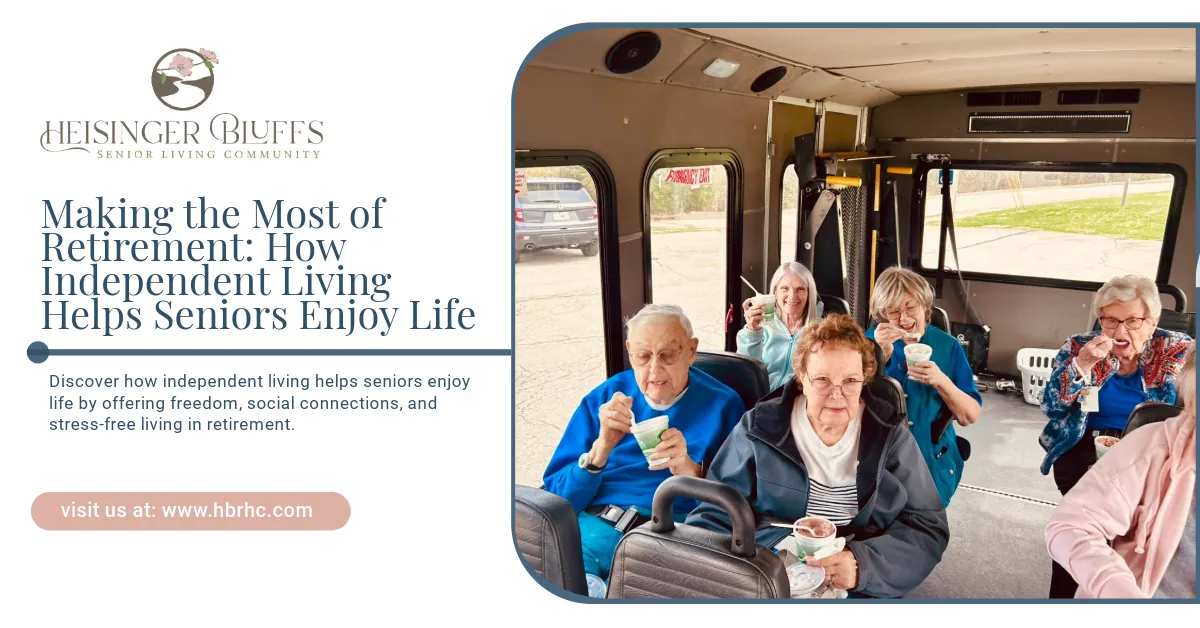
Driving can become difficult for seniors, but that shouldn’t limit their mobility. Independent living communities often offer scheduled transportation for shopping, medical appointments, and local outings, ensuring residents remain active and engaged in the community.
7. Opportunities for Personal Growth
Retirement is the perfect time to explore new passions. Independent living communities provide opportunities for lifelong learning, volunteer work, and creative expression, allowing seniors to continue growing and staying mentally stimulated.
How Independent Living Supports Health and Wellness
Physical Wellness
Regular exercise is crucial for maintaining health in retirement. Independent living communities offer fitness classes, walking trails, and wellness programs designed to keep residents active.
Mental and Emotional Well-Being
Social engagement, intellectual stimulation, and access to mental health resources help seniors maintain emotional well-being. Book clubs, mindfulness activities, and group discussions keep minds sharp and spirits high.
Nutritional Support
Healthy eating is essential for maintaining energy levels andpreventing chronic illnesses. Many communities provide well-balanced meal plans that cater to specific dietary needs, ensuring seniors receive proper nutrition.
Access to Healthcare Services
While independent living is designed for active seniors, many communities have partnerships with healthcare providers, offering access to wellness checks, medication management, and therapy services when needed.
Who Should Consider Independent Living?
Independent living is ideal for seniors who:
- Want a social, active lifestyle without the burdens of home maintenance.
- Desire a secure, supportive community.
- Prefer access to amenities, dining, and transportation services.
- Are in good health but want the convenience of nearby healthcare options.
- Enjoy socializing and participating in group activities.
If you or a loved one fit this description, independent living could be the perfect choice for making the most of retirement.
How to Choose the Right Independent Living Community
1. Consider Location
Choose a community that is close to family, friends, and familiar surroundings. Proximity to shopping centers, healthcare facilities, and entertainment options is also important.
2. Evaluate Amenities and Services
Make a list of must-have amenities and compare different communities based on dining options, fitness centers, transportation services, and activity schedules.
3. Take a Tour
Visiting a community in person provides insight into the environment, staff interactions, and overall atmosphere. Attend an event or try a meal to get a real feel for the experience.
4. Assess Cost and Affordability
Understand the pricing structure, including monthly fees and what’s included. Compare costs to staying at home and factor in maintenance, utilities, and additional expenses.
5. Talk to Residents and Staff
Speaking with current residents can provide firsthand experiences and insight into daily life at the community. Friendly, helpful staff are also a good indicator of quality service and care.
Embrace the Joys of Retirement with Independent Living
Independent living communities offer the perfect balance of freedom, social engagement, and convenience, allowing seniors to make the most of their retirement years. By choosing a supportive, vibrant environment, older adults can continue to thrive, explore new interests, and enjoy a fulfilling lifestyle.
AtHeisinger Bluffs, we provide a welcoming independent living community where seniors can enjoy life to the fullest. With exceptional amenities, engaging activities, and a strong sense of community, our residents experience the perfect blend of independence and support. Contact us today to learn more about how we can help you or your loved one embrace a fulfilling retirement.
Frequently Asked Questions
What is the difference between independent living and assisted living?
Independent living is for active seniors who can manage daily activities on their own but prefer a maintenance-free lifestyle with social opportunities. Assisted living provides additional support with tasks such as medication management and personal care.
Can couples live together in independent living communities?
Yes, many independent living communities offer accommodations for couples, allowing them to enjoy their retirement together while benefiting from available services and amenities.
Is independent living covered by insurance or Medicare?
Independent living is typically not covered by Medicare or insurance since it does not provide medical care. However, some long-term care insurance policies may cover certain services. It’s best to check with your provider for specific coverage details.
Sources:
- https://www.onemedical.com/blog/exercise-fitness/yoga-for-seniors/
- https://www.inquirer.com/health/cooking-challenges-age-related-20221018.html
- https://www.cdc.gov/physical-activity-basics/health-benefits/older-adults.html
- https://www.uclahealth.org/news/article/when-it-comes-to-nutrition-and-chronic-disease-focus-on-the-basics