

How Does Aging Affect Lung Capacity?
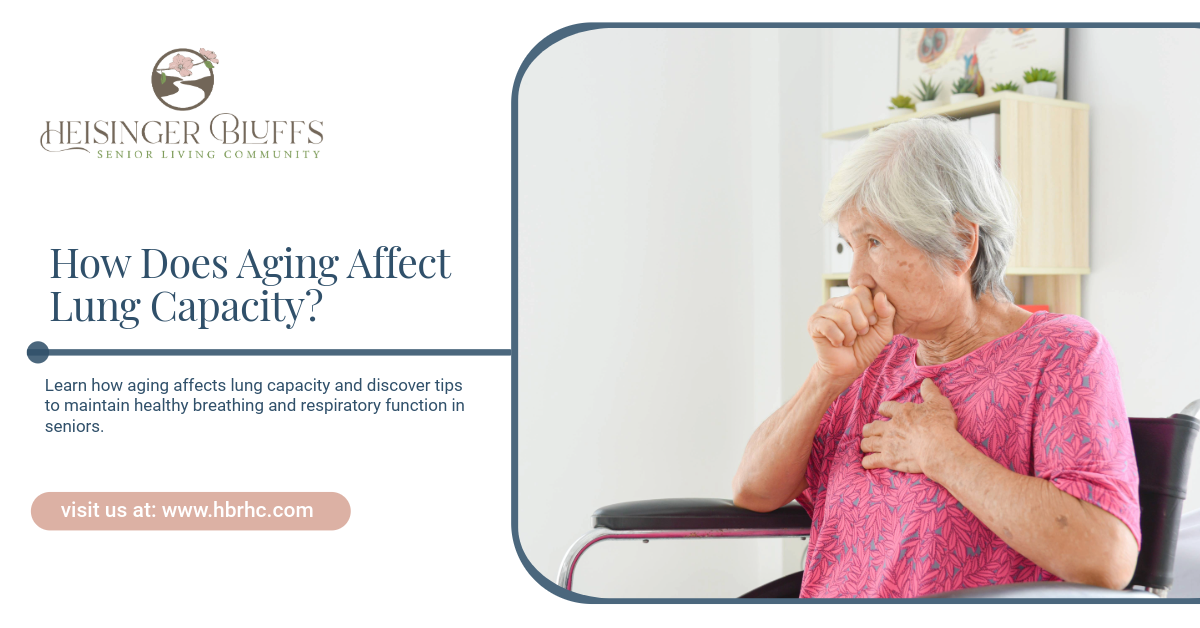
As we age, lung function naturally declines, which can impact energy levels, stamina, and overall health. Understanding these changes helps seniors take steps to maintain respiratory health.
- Reduced Lung Elasticity: Aging decreases the elasticity of lung tissue, making it harder for lungs to fully expand and take in oxygen.
- Weakening of Respiratory Muscles: The diaphragm and other breathing muscles may weaken, reducing the efficiency of each breath.
- Changes in Airway Structure: Airways can become stiffer, and small air sacs in the lungs (alveoli) may lose some capacity, limiting oxygen exchange.
- Decreased Oxygen Efficiency: Even when healthy, older adults may have slightly lower oxygen levels during activity, which can affect stamina and recovery.
Maintaining lung health through regular aerobic exercise, deep-breathing techniques, and avoiding smoking can help slow the decline. Communities like Heisinger Bluffs provide programs to support seniors’ respiratory health and overall wellness.
Frequently Asked Questions
Can exercise improve lung capacity in seniors?
Yes, activities like walking, swimming, and cycling strengthen breathing muscles and improve oxygen intake.
Are lung issues normal with aging?
Some decline is natural, but sudden changes or shortness of breath should be evaluated by a doctor.
How can seniors maintain healthy lungs?
Regular aerobic exercise, quitting smoking, and staying active support better lung function.
Sources:
- https://www.lung.org/blog/your-aging-lungs
- https://medlineplus.gov/ency/article/004011.htm


Share This Article
You May Also Like To Read
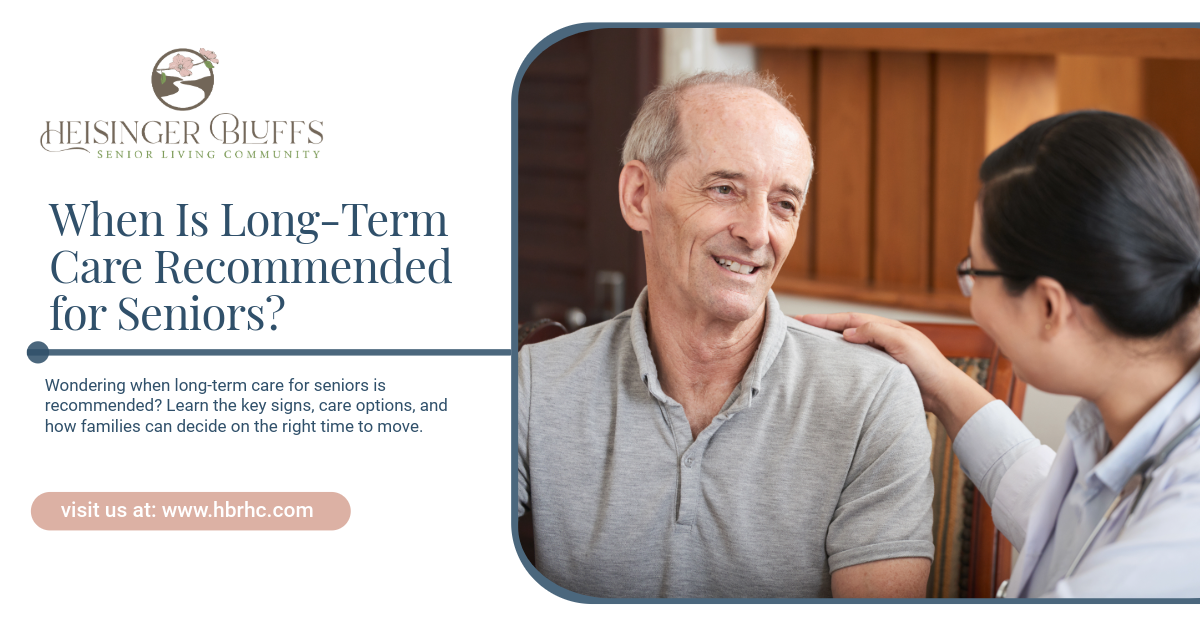
Wondering when long-term care for seniors is recommended? Learn the key signs, care options, and how families can decide on the right time to move.

Learn how speech therapy after a health setback helps seniors recover speech, swallowing, memory, and confidence after a stroke, illness, or surgery.

Considering a career in senior care? Learn about roles, training, skills, pay factors, and growth paths to decide if this rewarding field is right for you.

Touring a skilled nursing community? Learn the key questions to ask about the skilled nursing care team, from staffing and training to communication.
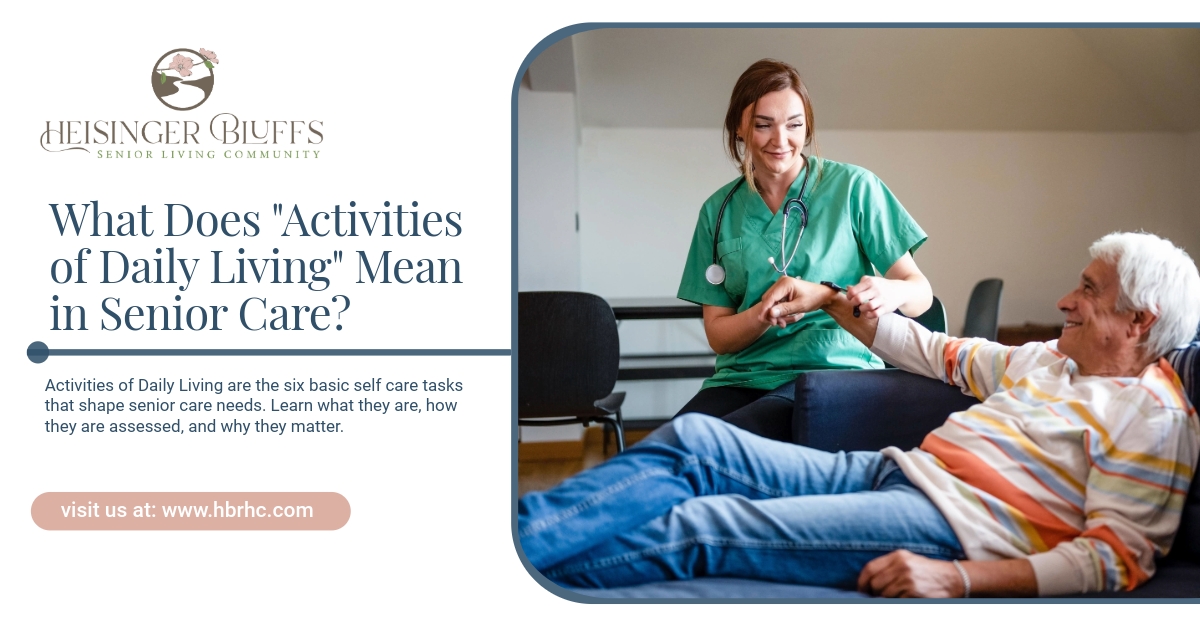
Activities of Daily Living are the six basic self care tasks that shape senior care needs. Learn what they are, how they are assessed, and why they matter.
Wondering when assisted living becomes safer than living alone? Learn the real warning signs, hidden risks, and how to know it is time to make a change.