

Benefits of Resistance Training for Seniors
Key Highlights
- Builds muscle strength and helps prevent age-related muscle loss
- Improves balance, reducing the risk of falls and injuries
- Supports bone health and lowers the risk of osteoporosis
- Enhances mobility, independence, and daily function
- Boosts mental health, confidence, and overall quality of life
- Can be safely adapted for all fitness levels and abilities
Aging is a natural part of life—but losing strength, balance, and independence doesn’t have to be. One of the most effective ways older adults can maintain vitality and health is through resistance training.
Often misunderstood as something only for athletes or younger individuals, resistance training is actually one of the most powerful tools for healthy aging. Backed by extensive research and real-world success, it plays a critical role in preserving physical function, preventing chronic conditions, and improving quality of life.
In this guide, we’ll explore the proven benefits of resistance training for seniors, share real-life examples, and explain how to safely incorporate it into a daily routine.
What Is Resistance Training?
Resistance training, also known as strength training, involves exercises that make your muscles work against a force. This force can come from:
- Body weight (e.g., squats, push-ups)
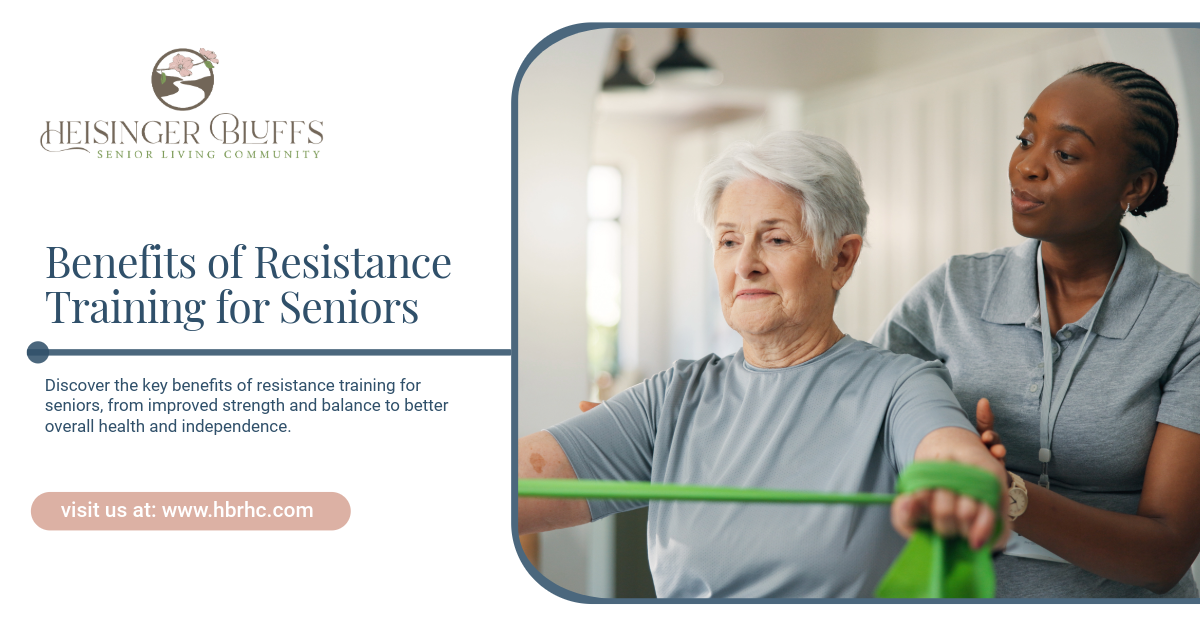
- Resistance bands
- Free weights (dumbbells)
- Weight machines
The goal is simple: challenge your muscles so they grow stronger over time.
Why Resistance Training Matters More as We Age
Starting around age 30, adults begin to lose muscle mass—a condition known as Sarcopenia. By the time someone reaches their 60s or 70s, this loss can significantly impact mobility, balance, and independence.
Resistance training directly combats this process by rebuilding and preserving muscle tissue.
1. Improves Muscle Strength and Function
One of the most immediate benefits of resistance training is increased muscle strength.
Stronger muscles make everyday activities easier, such as:
- Climbing stairs
- Carrying groceries
- Getting in and out of chairs
Real-World Example: In many senior fitness programs, participants who begin resistance training report noticeable improvements within just a few weeks. We've seen individuals who initially struggled with basic movements regain confidence and independence after consistent training sessions.
2. Enhances Balance and Reduces Fall Risk
Falls are a major concern for older adults. According to health experts, falls are one of the leading causes of injury among seniors.
Resistance training helps by:
- Strengthening stabilizing muscles
- Improving coordination
- Increasing reaction time
Case Study Insight: In structured exercise programs, seniors who engaged in strength training two to three times per week showed significantly improved balance scores. Many participants reported feeling steadier on their feet and less fearful of failing.
3. Supports Bone Health
Bone density naturally decreases with age, increasing the risk of fractures and Osteoporosis.
Resistance training stimulates bone growth by placing controlled stress on bones, encouraging them to become stronger.
Key Benefits:
- Reduces fracture risk
- Improves posture
- Supports long-term skeletal health
4. Promotes Independence in Daily Living
Maintaining independence is one of the top priorities for older adults. Resistance training plays a direct role in this by improving:
- Mobility
- Flexibility
- Functional strength
Example from Practice: In senior living environments, residents who participate in regular strength training often require less assistance with daily tasks. We've observed that even small gains in strength can lead to meaningful improvements in independence.
5. Boosts Mental Health and Cognitive Function
Physical health isn't the only area that benefits—mental health sees major improvements as well.
Resistance training has been linked to:
- Reduced symptoms of anxiety and depression
- Improved mood and self-esteem
- Enhanced cognitive function
Why It Works: Exercise increases blood flow to the brain and releases endorphins, which help improve mood and mental clarity.
6. Helps Manage Chronic Conditions
Resistance training can play a role in managing several chronic conditions, including:
- Heart disease
- Type 2 diabetes
- Arthritis
Benefits Include:
- Improved blood sugar control
- Reduced joint pain
- Better cardiovascular health
Practical Insight: In structured wellness programs, seniors with mild arthritis often report reduced stiffness and improved joint function after incorporating strength exercises into their routine.
7. Improves Metabolism and Weight Management
As we age, metabolism naturally slows down. Resistance training helps counteract this by:
- Increasing muscle mass (which burns more calories)
- Supporting healthy weight maintenance
- Reducing body fat
This is especially important for preventing obesity-related conditions.
8. Encourage Social Engagement
Group resistance training sessions can also provide valuable social benefits.
- Builds a sense of community
- Encourages accountability
- Reduces feelings of isolation
Real-Life Observation: Many seniors who join group fitness programs report that the social aspect becomes just as important as the physical benefits. It creates motivation and consistency.
9. Customizable for All Fitness Levels
One of the best aspects of resistance training is its adaptability.
Comparison of Training Options
| Fitness Level | Recommended Approach | Example Exercises |
|---|---|---|
| Beginner | Light resistance, focus on form | Chair squats, wall push-ups |
| Intermediate | Moderate resistance | Dumbbell curls, step-ups |
| Advanced | Higher resistance, more reps | Weighted squats, resistance band workouts |
This flexibility ensures that seniors can start safely and progress at their own pace.
10. Builds Confidence and Quality of Life
Physical improvements often lead to increased confidence.
Seniors who engage in resistance training frequently report:
- Feeling stronger and more capable
- Greater independence
- Improved overall happiness
Safety Tips for Seniors Starting Resistance Training
Before beginning any exercise program, it’s important to take precautions:
- Consult with a healthcare provider
- Start with low resistance and gradually increase
- Focus on proper form to prevent injury
- Include warm-ups and cool-downs
- Stay consistent rather than overdoing it
How Often Should Seniors Do Resistance Training?
Experts generally recommend:
- 2–3 sessions per week
- Targeting major muscle groups
- Allowing rest days between sessions
Consistency is more important than intensity.
Getting Started: Simple Routine
A beginner-friendly routine might include:
- Chair squats (10 reps)
- Wall push-ups (10 reps)
- Seated leg lifts (10 reps each leg)
- Resistance band rows (10 reps)
Repeat 2–3 sets depending on comfort level.
The Role of Professional Guidance
Working with trained professionals can make a significant difference in safety and effectiveness.
Programs designed specifically for seniors ensure:
- Proper technique
- Personalized progression
- Reduced risk of injury
Final Thoughts
Resistance training is one of the most effective ways for seniors to maintain strength, independence, and overall well-being. From improving physical health to enhancing mental resilience, the benefits are both immediate and long-lasting.
At communities like Heisinger Bluffs in Jefferson City, structured wellness programs often incorporate resistance training as part of a holistic approach to senior health—helping residents stay active, engaged, and confident in their daily lives. Contact us today!
Frequently Asked Questions
Is resistance training safe for seniors?
Yes, when done correctly and with proper guidance, resistance training is safe and highly beneficial for seniors.
Can beginners start resistance training at an older age?
Absolutely. It’s never too late to start, and exercises can be adapted for all fitness levels.
How long does it take to see results?
Many seniors notice improvements in strength and balance within 4–8 weeks of consistent training.
Do I need equipment to start?
No. Bodyweight exercises and resistance bands are great starting points.
Can resistance training help with arthritis?
Yes, it can reduce joint pain and improve mobility when performed correctly and consistently.
Sources:
- https://www.cdc.gov/physicalactivity/downloads/growing_stronger.pdf
- https://my.clevelandclinic.org/health/diseases/23167-sarcopenia
- https://www.uclahealth.org/news/article/why-strength-training-critical-older-adults
- https://www.ncoa.org/article/get-the-facts-on-falls-prevention/
- https://pmc.ncbi.nlm.nih.gov/articles/PMC10825833/



Share This Article
You May Also Like To Read