
Key Highlights
- Maintaining physical activity during winter is crucial for seniors’ health, balance, and mobility.
- Indoor exercises can provide safe alternatives when outdoor conditions are hazardous.
- Layering clothing and using proper footwear ensures safety and warmth for outdoor activities.
- Balance, strength, and flexibility exercises reduce fall risk and promote independence.
- Incorporating social activities can enhance motivation and make exercise more enjoyable.
- Adapted equipment and safety precautions are essential for seniors exercising in winter conditions.
Winter Exercise for Seniors
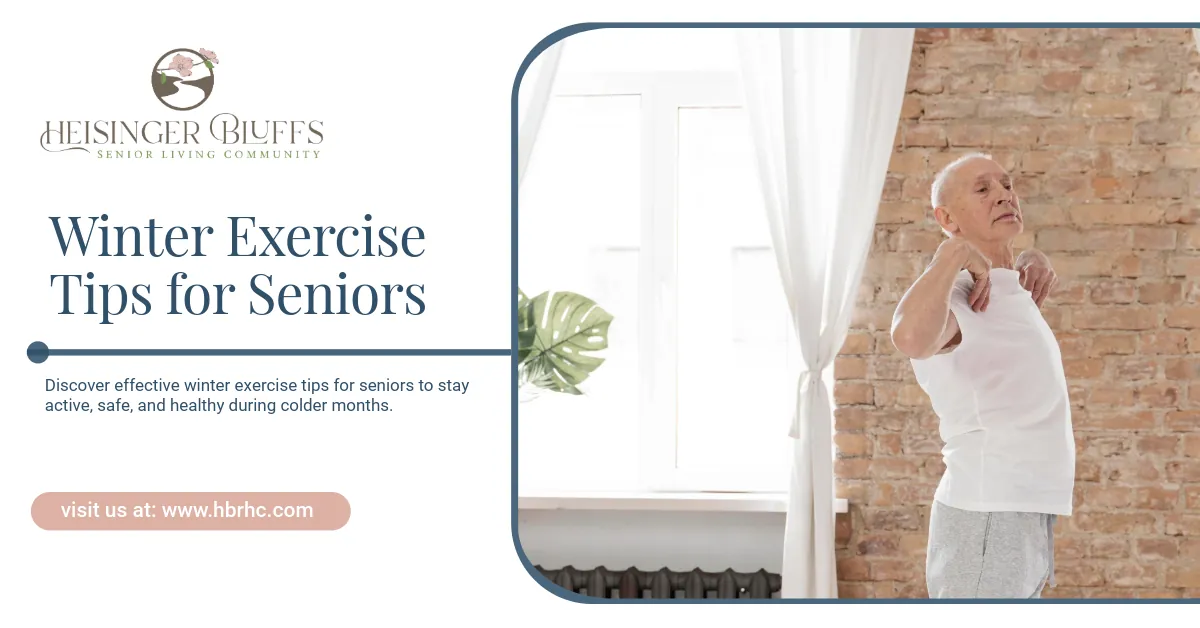
Staying active during winter can be challenging for seniors due to colder temperatures, icy surfaces, and shorter daylight hours. However, maintaining a regular exercise routine is critical for preserving mobility, balance, heart health, and mental well-being. With the right precautions and creative planning, seniors can safely remain active throughout the colder months.
1. Prioritize Safety First
Winter conditions can increase the risk of slips, falls, and other injuries. Take the following precautions:
- Check weather conditions: Avoid outdoor exercise on icy or snowy days.
- Proper footwear: Use shoes or boots with good traction to prevent slipping.
- Warm-up indoors: Begin exercises inside to prepare muscles and joints for activity.
- Hydration: Seniors may feel less thirsty in winter, but hydration remains essential.
Tip: Keep a phone or alert device nearby in case of emergencies during outdoor activity.
2. Indoor Exercise Options
Indoor workouts provide safe alternatives when the weather is inclement:
- Chair exercises: Strengthen muscles and improve circulation while seated.
- Resistance bands: Portable and adaptable for strength training.
- Treadmills or stationary bikes: Controlled environment for cardiovascular exercise.
- Yoga or stretching routines: Improve flexibility, posture, and mental relaxation.
Pro Tip: Watch online exercise videos designed specifically for seniors to ensure proper technique.
3. Outdoor Winter Exercise
When conditions are safe, outdoor activities offer fresh air and vitamin D:
- Walking: Dress in layers, wear non-slip shoes, and use walking poles if needed.
- Snow-friendly activities: Gentle snow shoveling, light snowball play, or walking in cleared paths.
- Group walks: Join friends or community groups to stay motivated and safer.
Tip: Limit outdoor sessions during extreme cold or wind chill, and avoid outdoor activity after dark.
4. Focus on Balance and Fall Prevention
Falls are a major concern for seniors, especially in winter. Exercises that improve balance reduce risk:
- Heel-to-toe walking: Practice walking in a straight line, placing one foot directly in front of the other.
- Single-leg stands: Hold onto a chair or wall for support and balance each leg.
- Tai Chi: Gentle movements improve balance, flexibility, and mental focus.
5. Strength and Flexibility Training
Maintaining muscle mass and joint flexibility is critical during winter:
- Resistance exercises: Use light weights or resistance bands for upper and lower body strength.
- Stretching routines: Focus on neck, back, and leg stretches to reduce stiffness.
- Bodyweight exercises: Chair squats, wall push-ups, and seated leg lifts are safe and effective.
| Exercise Types | Example Activities | Benefits |
|---|---|---|
| Balance | Tai Chi, single-leg stands | Reduces fall risk, improves stability |
| Strength | Resistance bands, light weights | Maintains muscle mass and bone strength |
| Flexibility | Stretching, yoga | Prevents stiffness, improves range of motion |
| Cardiovascular | Treadmill, stationary bike, indoor walking | Supports heart health, boosts energy |
6. Incorporate Short Sessions
Seniors may benefit from multiple short exercise sessions instead of one long workout:
- 10–15 minute bursts: Multiple sessions throughout the day can maintain mobility.
- Mix of exercises: Combine balance, strength, and cardio in short intervals.
- Listen to your body: Avoid overexertion, especially in cold weather.
7. Dress Appropriately for Winter Exercise
Proper clothing and accessories enhance comfort and safety:
- Layering: Wear moisture-wicking base layers, insulating mid-layers, and windproof outer layers.
- Hats, gloves, and scarves: Protect extremities from cold.
- Bright or reflective clothing: Improves visibility in low-light conditions.
- Proper footwear: Non-slip soles are essential for icy or snowy surfaces.
8. Make Exercise Social
Social interaction boosts motivation and consistency:
- Group classes: Community centers or gyms may offer senior-specific winter exercise classes.
- Buddy system: Exercise with a friend to stay motivated and safe.
- Family involvement: Encourage family walks or indoor activity sessions to promote engagement.
Tip: Combining socialization with exercise improves mental health and reduces feelings of isolation during the winter months.
9. Adapt Equipment and Environment
Proper tools and modifications can make winter exercise safer and more effective:
- Walking aids: Canes or poles for stability on outdoor paths.
- Non-slip mats: Indoor mats prevent slips on hardwood or tiled floors.
- Resistance tools: Bands, light dumbbells, and exercise balls are versatile for indoor workouts.
- Adjust lighting: Ensure adequate lighting for indoor exercise to prevent falls.
10. Maintain Consistency and Motivation
Staying active in winter requires planning and commitment:
- Set goals: Create achievable weekly or daily activity goals.
- Track progress: Use journals or fitness apps designed for seniors.
- Celebrate milestones: Reward achievements to maintain motivation.
- Mix routines: Rotate exercises to prevent boredom and target different muscle groups.
11. Consider Health Conditions
Seniors should tailor exercises according to individual health considerations:
- Consult healthcare providers: Discuss new exercise routines, especially with heart, joint, or lung conditions.
- Monitor for symptoms: Stop exercising if experiencing chest pain, dizziness, or severe shortness of breath.
- Modify as needed: Low-impact exercises are safer for those with arthritis or mobility limitations.
Winter Exercise Checklist for Seniors
| Area | Tips for Safe and Effective Exercise |
|---|---|
| Safety | Check weather, proper footwear, warm-up |
| Indoor Activities | Chair exercises, resistance bands, yoga |
| Outdoor Activities | Walks, snow-friendly activities, group walks |
| Balance & Fall Prevention | Heel-to-toe walk, Tai Chi, single-leg stands |
| Strength & Flexibility | Resistance exercises, stretching, bodyweight moves |
| Clothing | Layered clothing, hats, gloves, reflective gear |
| Social Engagement | Group classes, buddy system, family activities |
| Session Timing | Short, frequent sessions throughout the day |
Final Tips
Maintaining an active lifestyle during the winter months is vital for seniors’ physical and mental well-being. By prioritizing safety, incorporating a mix of indoor and outdoor exercises, focusing on balance and strength, and making activity social and enjoyable, seniors can remain healthy, independent, and motivated.
For seniors seeking guidance, structured exercise programs, and a supportive environment during winter, Heisinger Bluffs provides personalized wellness plans and safe activity options designed to keep residents active and thriving during the colder months. Contact us today!
Frequently Asked Questions
Can seniors safely exercise outdoors in winter?
Yes, as long as conditions are safe, seniors wear proper clothing, use non-slip footwear, and monitor for extreme cold or ice.
How often should seniors exercise during winter?
Aim for at least 150 minutes of moderate activity per week, divided into shorter sessions if needed.
What are the best indoor exercises for seniors in winter?
Chair exercises, resistance bands, yoga, stretching, and stationary cardio machines are all effective indoor options.
How can seniors prevent falls while exercising in winter?
Use proper footwear, non-slip mats, walking aids, and focus on balance exercises like Tai Chi or single-leg stands.
Is social exercise beneficial for seniors?
Absolutely. Exercising with friends, family, or in group classes enhances motivation, safety, and mental well-being.
Sources:
- https://www.ncoa.org/article/winterize-to-prevent-falls/
- https://www.cdc.gov/falls/data-research/facts-stats/index.html
- https://mcpress.mayoclinic.org/healthy-aging/a-surprising-key-to-healthy-aging-strong-social-connections/
- https://www.mayoclinichealthsystem.org/hometown-health/speaking-of-health/ways-for-seniors-to-remain-active-this-winter