
Key Highlights
- Seniors should monitor blood sugar levels before, during, and after holiday meals.
- Choose nutrient-rich foods and balance carbohydrates with protein and fiber.
- Control portion sizes and avoid overeating high-sugar desserts.
- Incorporate physical activity and movement to help regulate blood sugar.
- Plan meals and snacks ahead of time to prevent spikes and crashes.
- Be aware of medication timing and its interaction with meals.
Managing Senior Blood Sugar During Holiday Feasts
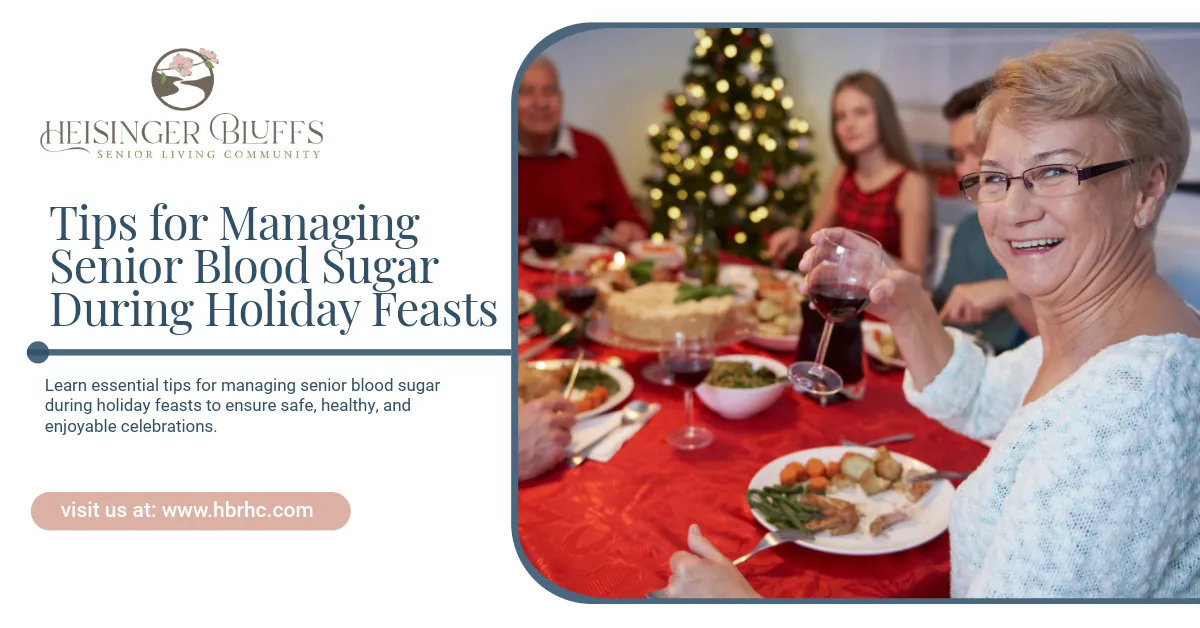
The holiday season is a time of indulgence, but for seniors, it can present challenges in maintaining healthy blood sugar levels. Diabetes and prediabetes are common among older adults, making it crucial to manage glucose carefully while still enjoying festive meals. With thoughtful planning, portion control, and lifestyle strategies, seniors can navigate holiday feasts safely and comfortably.
1. Monitor Blood Sugar Levels Regularly
Keeping track of blood sugar is the first step to managing it effectively:
- Before meals: Check levels to understand baseline glucose.
- After meals: Monitor 1–2 hours after eating to detect spikes.
- Adjustments: Use results to make informed decisions about portion sizes, meal composition, and physical activity.
Tip: Seniors with diabetes should discuss with their healthcare provider how often to check blood sugar during holiday events.
2. Plan Balanced Meals
Meal composition can significantly impact blood sugar:
- Carbohydrate control: Choose whole grains and complex carbs over refined flour and sugar.
- Protein and healthy fats: Include lean meats, fish, eggs, nuts, or avocado to slow glucose absorption.
- Fiber-rich foods: Vegetables, legumes, and fruits with skins help stabilize blood sugar.
- Limit high-sugar foods: Save desserts for small portions or enjoy naturally sweet alternatives like fruit.
| Food Category | Senior-Friendly Options | Notes |
|---|---|---|
| Carbohydrates | Quinoa, brown rice, whole-grain bread | Avoid refined flour |
| Protein | Turkey, salmon, beans | Helps reduce glucose spikes |
| Vegetables | Leafy greens, roasted root vegetables | Rich in fiber and nutrients |
| Fruits | Berries, apples, pears | Prefer low-glycemic fruits |
| Desserts | Sugar-free pudding, fruit salad | Keep portions small |
| Beverages | Water, unsweetened tea, sparkling water | Limit sugary drinks and alcohol |
3. Control Portion Sizes
Even healthy foods can raise blood sugar if eaten in excess:
- Use smaller plates: Helps visually manage portions.
- Serve balanced plates: Half vegetables, a quarter protein, a quarter carbohydrate.
- Pre-portion desserts: Avoid repeated trips to the dessert table.
Pro Tip: Encourage seniors to eat slowly and savor each bite, giving the body time to signal fullness.
4. Incorporate Physical Activity
Movement helps regulate blood sugar and can prevent post-meal spikes:
- Short walks: A 10–15-minute walk after meals can improve glucose metabolism.
- Chair exercises: For seniors with mobility limitations, gentle seated exercises can help.
- Stretching or light activity: Even light activity, like tidying up or playing with grandchildren, helps.
Tip: Combine movement with social interaction to make it enjoyable.
5. Plan Ahead
Proactive planning reduces stress and prevents overindulgence:
- Meal prep: Offer healthy options alongside traditional dishes.
- Communicate needs: Inform hosts of dietary restrictions or preferences.
- Pack snacks: Bring nuts, protein bars, or fruit to maintain stable blood sugar.
- Schedule meals and medications: Keep a routine, especially for those on insulin or oral medications.
6. Limit Sugary Beverages and Alcohol
Drinks are often a hidden source of sugar and calories:
- Avoid sweetened drinks: Soda, fruit punch, and holiday cocktails can spike blood sugar.
- Moderate alcohol: If drinking, pair with food and choose lower-sugar options like dry wine or spirits with water.
- Stay hydrated: Encourage water or unsweetened beverages throughout the day.
7. Mindful Eating Techniques
Mindfulness can prevent overeating and support better blood sugar management:
- Eat slowly: Helps recognize fullness cues.
- Focus on flavors: Encourage savoring foods rather than rushing.
- Pause for seconds: Take time to decide if a second portion is necessary.
- Enjoy company: Socializing during meals reduces the focus solely on eating.
8. Include Blood Sugar-Friendly Desserts
Seniors don’t have to skip dessert completely:
- Fruit-based desserts: Apple crisp with minimal sugar, berries with yogurt.
- Sugar substitutes: Use stevia, monk fruit, or erythritol in recipes.
- Portion control: Offer smaller servings, perhaps in mini cups or slices.
Pro Tip: Encourage sharing desserts or tasting several small bites instead of one large serving.
9. Communicate with Healthcare Providers
Before holiday feasts, seniors should consult with their healthcare team:
- Medication adjustments: Some medications may need timing adjustments around meals.
- Monitor for symptoms: Watch for dizziness, unusual fatigue, or signs of hyper/hypoglycemia.
- Professional guidance: A dietitian can help plan festive menus that maintain blood sugar balance.
Holiday Blood Sugar Management Checklist
| Strategy | Key Actions |
|---|---|
| Monitor glucose | Check before and after meals |
| Balanced meals | Carbs + protein + fiber |
| Portion control | Use smaller plates, limit dessert sizes |
| Physical activity | Walks, chair exercises, light movement |
| Drink wisely | Water, unsweetened tea; limit alcohol |
| Plan ahead | Prep meals, communicate dietary needs |
| Mindful eating | Eat slowly, savor flavors |
| Professional guidance | Consult healthcare providers |
10. Final Tips
- Stay consistent: Keep regular meal and medication schedules.
- Use visual cues: Plates, portion markers, and pre-measured snacks help seniors stay on track.
- Stay social: Encourage conversation and group activities rather than focusing only on food.
- Celebrate safely: The goal is to enjoy the holiday while maintaining blood sugar stability.
Final Thoughts
By implementing these strategies, seniors can enjoy holiday meals safely and maintain their health, energy, and enjoyment throughout the season. For those looking for expert guidance on senior wellness and blood sugar management during the holidays, Heisinger Bluffs provides supportive care and personalized advice to help seniors thrive during festive celebrations. Reach out today!
Frequently Asked Questions
How can seniors prevent blood sugar spikes during holiday meals?
Focus on balanced meals with protein, fiber, and complex carbs, monitor portions, and include physical activity after eating.
Are desserts off-limits for seniors with diabetes?
No, but choose fruit-based or sugar-free options and keep portions small.
How often should seniors check their blood sugar during holiday events?
It depends on individual needs, but generally before meals and 1–2 hours after eating is recommended.
Can alcohol be consumed safely by seniors with blood sugar concerns?
Yes, in moderation. Choose lower-sugar options and always pair with food to prevent spikes.
What is the best way to handle large holiday meals?
Plan ahead, use smaller portions, pace the meal, and include movement breaks to stabilize blood sugar.
Sources:
- https://www.health.harvard.edu/blog/prediabetes-diagnosis-as-an-older-adult-what-does-it-really-mean-202106142481
- https://diabetes.org/living-with-diabetes/treatment-care/checking-your-blood-sugar
- https://www.nia.nih.gov/health/healthy-eating-nutrition-and-diet/healthy-meal-planning-tips-older-adults
- https://www.ncoa.org/article/the-6-best-activities-for-older-adults-with-diabetes/
- https://diabetes.org/health-wellness/fitness/blood-glucose-and-exercise