
Key Highlights:
- Short-term rehabilitation helps seniors recover faster and regain independence after surgery, illness, or injury.
- The right rehab facility provides skilled care, personalized therapy, and emotional support.
- Quality rehabilitation reduces hospital readmissions and prevents long-term complications.
- A supportive environment with advanced therapies and experienced staff ensures safer, faster recovery.
- Choosing the right short-term rehab improves overall well-being and quality of life.
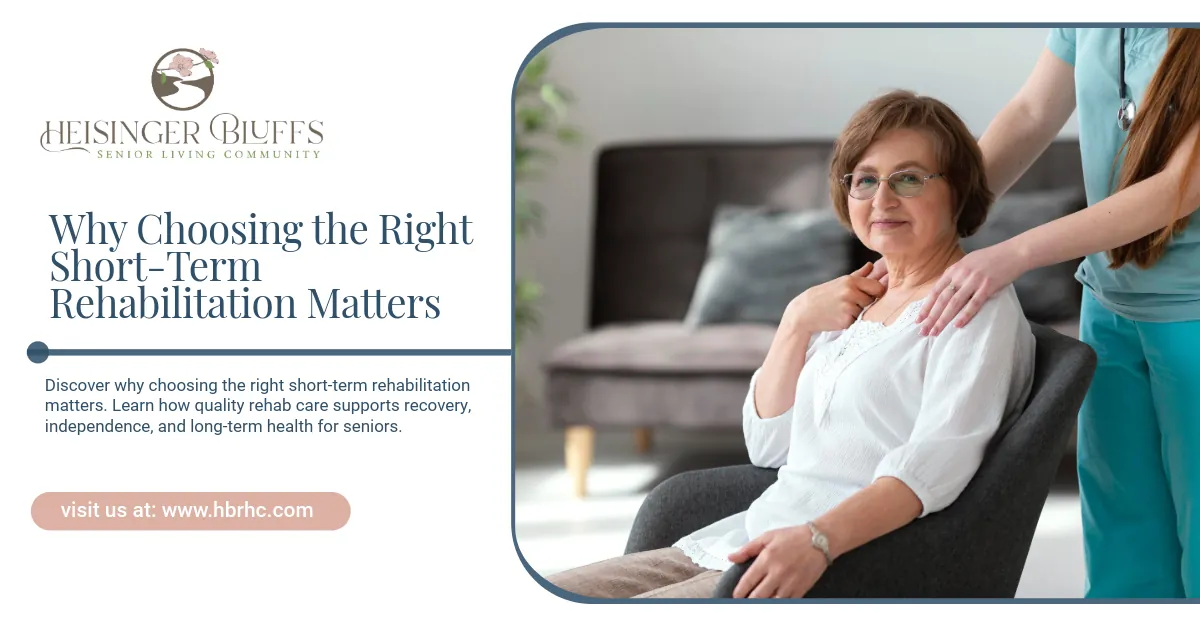
Recovery after surgery, illness, or injury can be challenging—especially for older adults. Short-term rehabilitation plays a vital role in helping seniors regain strength, restore function, and transition safely back to everyday life. However, not all rehabilitation programs are created equal. Choosing the right short-term rehab facility can mean the difference between a smooth recovery and prolonged setbacks.
This decision isn’t just about convenience—it’s about ensuring the best possible care, safety, and long-term outcomes. Let’s explore why choosing the right short-term rehabilitation matters and how it impacts recovery and quality of life.
What Is Short-Term Rehabilitation?
Short-term rehabilitation (also known as post-acute rehab) provides intensive therapy and medical care for individuals recovering from surgery, illness, or injury. The goal is to help patients regain independence and return home as quickly and safely as possible.
These programs typically last from a few days to several weeks, depending on the individual’s health needs and recovery goals.
Common Reasons for Short-Term Rehab Include:
- Recovery from joint replacement or orthopedic surgery
- Stroke rehabilitation
- Cardiac events (heart attack or heart surgery)
- Respiratory illness recovery
- Falls or fractures
- Post-hospitalization recovery for weakness or mobility loss
Why Choosing the Right Facility Matters
A well-equipped and compassionate rehab facility can make a significant difference in recovery outcomes. The right environment supports physical, emotional, and psychological healing, while the wrong one may lead to slower progress or even hospital readmission.
Here’s why choosing carefully is essential:
1. Improved Recovery Outcomes
The best rehabilitation programs are built around personalized care plans designed for each patient’s unique condition, mobility level, and goals. Highly trained therapists and nurses monitor progress closely, adjusting treatments as needed.
This individualized approach ensures faster, more complete recovery—helping seniors regain strength, balance, and confidence to return to their daily lives.
2. Reduced Risk of Hospital Readmission
A high-quality short-term rehab program focuses not just on immediate recovery, but on preventing future setbacks. This includes teaching patients how to move safely, manage medications, and maintain strength after discharge.
According to healthcare studies, patients who complete structured short-term rehabilitation have significantly lower hospital readmission rates compared to those who skip or choose inadequate rehab programs.
| Factor | Quality Rehab Outcome | Poor Rehab Outcome |
|---|---|---|
| Care Planning | Personalized and adaptive | Generic or inconsistent |
| Therapy quality | Skilled therapists and proven methods | Limited or poorly supervised |
| Patient education | Focus on prevention and self-care | Minimal guidance post-discharge |
| Readmission risk | Low | High |
3. Access to Multidisciplinary Expertise
A comprehensive rehab team often includes:
- Physical therapists: restore strength, balance, and mobility
- Occupational therapists: help patients relearn daily tasks like dressing or cooking
- Speech therapists: address communication or swallowing difficulties
- Nurses and physicians: manage medical needs and monitor progress
- Social workers: assist with emotional support and discharge planning
This team-based approach ensures all aspects of recovery are addressed—something that smaller or less specialized facilities may not provide.
4. Faster Return to Independence
Rehabilitation is more than just therapy—it’s about helping individuals regain independence and confidence. The right facility provides adaptive equipment, fall prevention training, and practice in daily living activities.
Early and consistent therapy leads to faster progress, reducing the need for long-term care and allowing seniors to return home with greater self-sufficiency.
5. Personalized Care Plans and Progress Tracking
Top rehabilitation centers create customized treatment plans that are continuously reviewed and adjusted. Progress tracking ensures that goals are being met and patients are advancing at a safe, steady pace.
This proactive approach keeps recovery on track while ensuring each patient feels supported and understood.
6. Access to Advanced Rehabilitation Technology
Modern rehab centers use state-of-the-art equipment and techniques to accelerate healing and minimize pain. These can include:
- Electrical stimulation for muscle reactivation
- Balance and gait training devices
- Ultrasound and laser therapy
- Virtual reality or computerized movement analysis
Such innovations make rehabilitation more efficient and engaging—leading to better outcomes.
7. Comfortable and Supportive Environment
Healing doesn’t happen in isolation. A positive, uplifting environment can greatly influence recovery speed. Look for a rehab community that offers:
- Comfortable private or semi-private rooms
- Nutritious meals tailored to dietary needs
- Opportunities for social interaction
- Emotional support and recreational activities
A facility that feels welcoming and compassionate helps patients stay motivated and engaged throughout their recovery journey.
8. Seamless Transition From Hospital to Home
A key benefit of quality short-term rehab is its focus on transition care—helping patients move from the hospital back to their home safely. This includes:
- Home safety evaluations
- Family education and training
- Follow-up therapy planning
- Coordination with doctors or specialists
These services ensure that patients maintain their progress and continue improving after discharge.
9. Emotional Support and Motivation
Recovery isn’t only physical—it’s emotional. Encouragement, empathy, and connection make a difference in how patients perceive their journey. Rehabilitation teams that prioritize emotional well-being help patients stay positive and determined, even during setbacks.
A caring atmosphere fosters motivation and resilience, both of which are vital to successful recovery.
Key Qualities to Look for in a Short-Term Rehabilitation Facility
Choosing the right rehabilitation program requires more than a quick internet search. Here are essential factors to consider:
| Criteria | What to Look For |
|---|---|
| Accreditation | State licensing or certifications ensuring quality care |
| Staff Expertise | Licensed therapists, nurses, and rehab physicians |
| Individualized Therapy Plans | Customized treatment based on goals and health status |
| Rehabilitation Equipment | Access to modern therapy technologies |
| Reputation | Positive patient outcomes and testimonials |
| Environment | Clean, comfortable, and supportive surroundings |
| Continuum of Care | Seamless transition from hospital to home |
| Visiting and Family Support | Opportunities for family involvement in recovery |
The Impact of Poor Rehabilitation Choices
Unfortunately, not all rehabilitation centers meet high-quality standards. Choosing the wrong facility may lead to:
- Incomplete recovery or loss of mobility
- Emotional frustration or depression
- Increased risk of falls or complications
- Higher hospital readmission rates
- Prolonged dependency on caregivers
Taking time to research and visit potential facilities ensures peace of mind and better long-term results.
The Long-Term Benefits of Quality Rehabilitation
While short-term rehab focuses on immediate recovery, its benefits can extend far beyond the stay itself. Patients who receive comprehensive therapy often experience:
- Sustained physical strength and mobility
- Improved confidence and mental health
- Lower healthcare costs over time
- Reduced need for long-term assistance
Investing in the right short-term rehabilitation is truly an investment in future health and independence.
Final Thoughts
Recovery after illness or surgery can be one of life’s most vulnerable moments—but with the right support, it can also be a time of empowerment and growth. Choosing the right short-term rehabilitation program ensures seniors receive the personalized care, therapy, and encouragement they need to heal confidently and return home safely.
At Heisinger Bluffs, we understand how crucial this stage of recovery is. Our dedicated team provides comprehensive short-term rehabilitation services designed to promote healing, independence, and peace of mind in a warm, supportive environment. Whether you’re recovering from surgery, injury, or illness, our goal is to help you rebuild strength and regain the quality of life you deserve. Contact us today!
Frequently Asked Questions
What is the average length of stay in short-term rehabilitation?
Most short-term rehabilitation stays range from 1 to 6 weeks, depending on the individual’s condition, recovery goals, and progress.
What types of therapy are included in short-term rehabilitation?
Programs typically include physical therapy, occupational therapy, and speech therapy, along with nursing care and medical management.
How do I know if my loved one needs short-term rehab after hospitalization?
If your loved one struggles with mobility, strength, or performing daily tasks after illness or surgery, a doctor may recommend short-term rehab to ensure safe recovery.
Can family members participate in the rehab process?
Yes. Many facilities encourage family involvement through education, training, and progress updates to support recovery at home.
What should I look for when choosing a rehab facility?
Look for accreditation, experienced staff, personalized care plans, advanced therapy equipment, and a warm, supportive environment. Visiting in person can help you make an informed decision.
Sources:
- https://pmc.ncbi.nlm.nih.gov/articles/PMC7387590/
- https://www.sciencedirect.com/science/article/pii/S1877065723000398
- https://pmc.ncbi.nlm.nih.gov/articles/PMC6599551/
- https://pubmed.ncbi.nlm.nih.gov/22863663/
- https://www.agingcare.com/articles/senior-rehabilitation-settings-and-levels-of-care-explained-461706.htm