

When Should Seniors Start Regular Health Screenings?

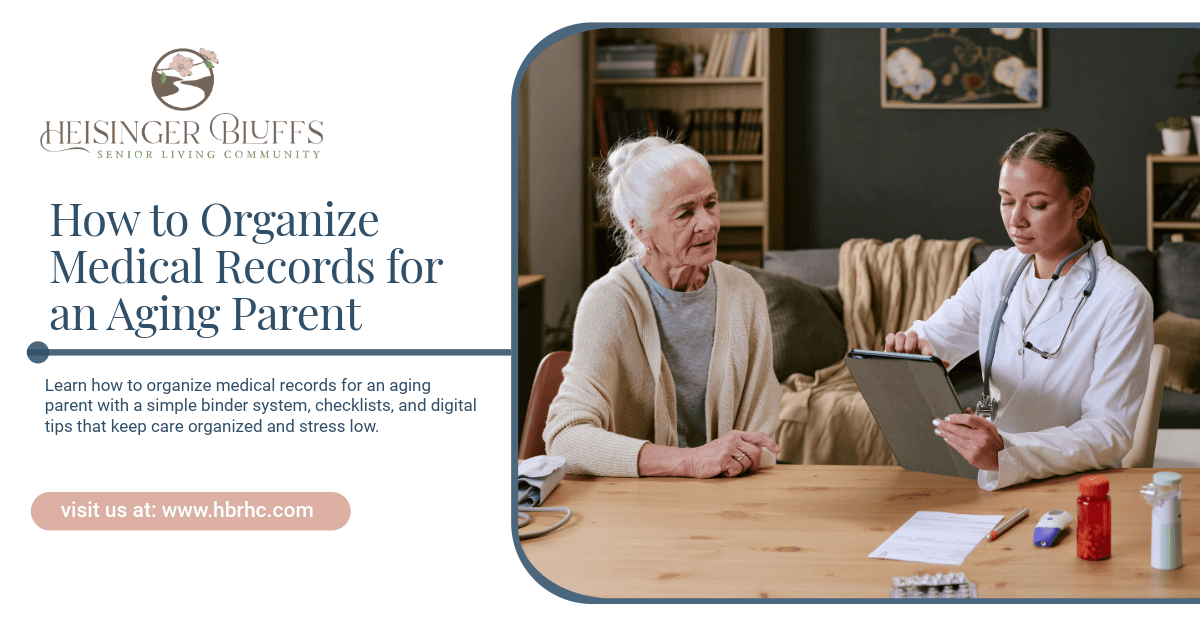
A doctor showing a tablet to a senior during a health screening

Regular health screenings are essential for early detection of illnesses and maintaining quality of life as we age. Here’s what seniors need to know:

  1. Baseline Screenings: Adults 50+ should begin routine checks for blood pressure, cholesterol, blood sugar, and vision.
  2. Cancer Screenings: Colon, breast, and prostate screenings typically start between ages 50 and 55, but family history may require earlier testing.
  3. Bone Health: Bone density tests are recommended for women 65+ and men 70+ to detect osteoporosis.
  4. Hearing and Vision: Annual exams help detect changes that affect safety and daily life.
  5. Vaccinations: Stay updated on flu, pneumonia, shingles, and COVID-19 vaccines.
  6. Individualized Schedule: Health conditions, lifestyle, and family history may be adjusted when screenings begin.

Starting regular screenings early allows seniors to catch potential issues sooner and maintain independence. Communities like Heisinger Bluffs provide access to health monitoring, wellness programs, and support to ensure residents stay on top of their health.

Frequently Asked Questions

How often should seniors get a physical exam?

Annually, or as recommended by their healthcare provider.

Can screenings prevent serious diseases?

Yes, early detection through screenings can prevent or manage many conditions effectively.

Should screenings change with age?

Yes, screening frequency and type may increase or adjust based on age, risk factors, and medical history.


Sources:

  • https://pmc.ncbi.nlm.nih.gov/articles/PMC6353639/
  • https://www.westpointmedicalgroup.com/patient-resources/blogs/importance-of-regular-health-screenings


Share This Article

Facebook X / Twitter LinkedIn Email

More Posts

A caregiver talking to an elderly man sitting in a wheelchair
Article October 22, 2026

Why Continuity of Care Matters When Seniors Change Providers

By Heisinger Bluffs Editorial

Continuity of care matters when seniors change providers. Learn how to share records, keep routines, and protect health through every transition.

Read article
A woman talking to an elderly woman sitting in wheelchair
Article October 21, 2026

How Families Can Stay Involved in Care Without Overstepping

By Heisinger Bluffs Editorial

Learn how families can stay involved in care without overstepping, with practical tips on communication, boundaries, and supporting your loved one.

Read article
A senior sitting on a couch reading a book, while a girl stands behind her
Article October 20, 2026

What to Include in a Senior's Personal Care Preferences

By Heisinger Bluffs Editorial

Learn what to include in a senior's personal care preferences, from daily routines to dignity and privacy, so caregivers honor what matters most.

Read article
An adult sitting at a table, organizing her aging parent's medical records
Article October 19, 2026

How to Organize Medical Records for an Aging Parent

By Heisinger Bluffs Editorial

Learn how to organize medical records for an aging parent with a simple binder system, checklists, and digital tips that keep care organized and stress low.

Read article
An elderly man with dementia having a meal at a table
Article October 15, 2026

How Dementia Can Affect Appetite and Eating Habits

By Heisinger Bluffs Editorial

Learn how dementia can affect appetite and eating habits, why changes happen, signs to watch for, and caring ways to support a loved one at mealtimes.

Read article
A senior happily carrying a box, moving into a senior living facility
Article October 14, 2026

How to Make a Senior Living Transition Feel Less Overwhelming

By Heisinger Bluffs Editorial

Make a senior living transition less overwhelming with practical steps for planning, downsizing, moving day, and settling in for seniors and families.

Read article

Join our newsletter

Sign up for our mailing list & get our monthly news and updates!

* indicates required