
Is Aging Also Associated with Decline?

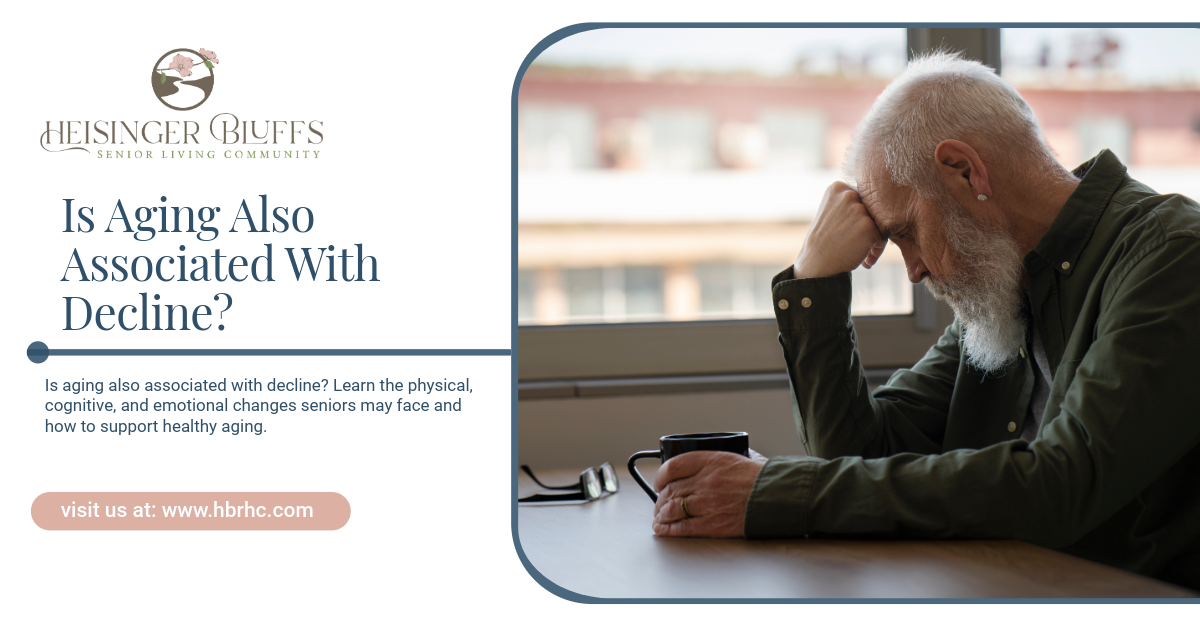
Elderly man with head in hands, looking down.

A common question is, is aging also associated with decline? While getting older naturally brings some changes, not all aging is negative.


Physical changes such as reduced muscle mass, bone density, and joint flexibility are common. These changes can affect strength, balance, and mobility.


Cognitive changes may include slower processing speed or occasional forgetfulness. However, serious cognitive decline is not inevitable and can be influenced by lifestyle, social engagement, and mental stimulation.


Emotional changes can also occur. Some seniors experience increased stress or feelings of isolation, which may affect overall well-being.


The key is focusing on what can be maintained or improved. Regular exercise, mental challenges, balanced nutrition, social connections, and routine health care can help minimize decline and enhance quality of life.


At Heisinger Bluffs, residents are supported in living active, engaged, and fulfilling lives while navigating the natural changes that come with aging.


Frequently Asked Questions

  • Does everyone experience decline with age?

    No, many age healthily with minimal decline, depending on lifestyle and health factors.

  • Can exercise slow aging-related decline?

    Yes, regular physical activity supports strength, balance, and brain health.

  • How can seniors maintain mental sharpness?

    Engaging in learning, social activities, and problem-solving helps preserve cognitive function.


Sources:

  • https://www.nia.nih.gov/health/brain-health/how-aging-brain-affects-thinking
  • https://www.nationalgeographic.com/health/article/benefits-of-aging
Heisinger Bluffs logo
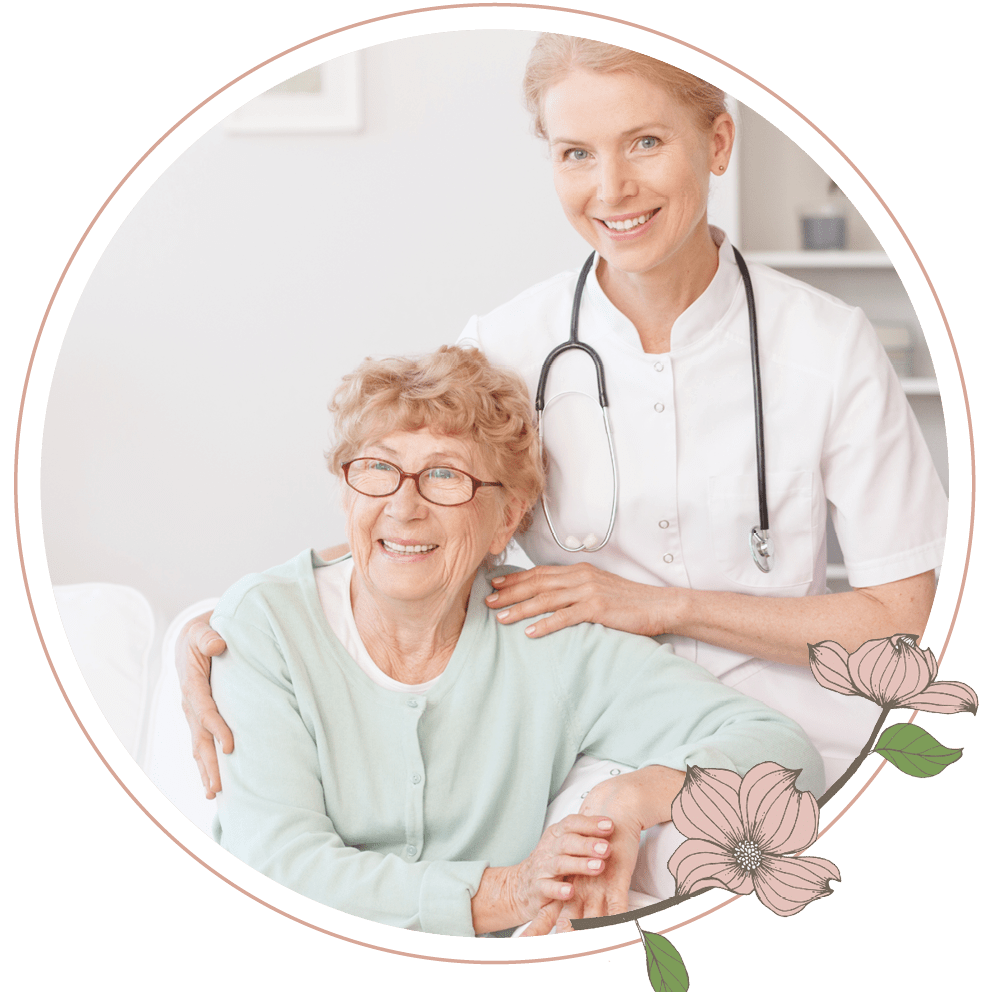
A nurse sitting next to an elderly woman on a couch
SCHEDULE A TOUR
Google rating average 4.65 rating out of 60 reviews

Want to know more?

Share This Article

You May Also Like To Read
An elderly person looking out a window with a cane.
By Heisinger Bluffs Editorial January 6, 2026
Can social isolation shorten seniors’ lifespan? Learn how loneliness affects health and ways to stay connected for a longer, healthier life.
Older woman with hand on her neck, experiencing chronic pain.
By Heisinger Bluffs Editorial January 6, 2026
Is chronic pain common in seniors? Learn why older adults experience persistent pain and ways to manage it for better daily living.
An elderly woman eating.
By Heisinger Bluffs Editorial January 6, 2026
How does aging affect digestion? Learn common digestive changes in older adults and simple ways to support gut health as you age.
An elderly woman is lying in bed, having a hard time falling asleep.
By Heisinger Bluffs Editorial January 5, 2026
Why do seniors sleep less? Learn the common causes of reduced sleep in older adults and simple ways to improve rest and sleep quality.
An elderly man is stretching in a park, leaning on a wooden bench.
By Heisinger Bluffs Editorial January 5, 2026
Discover everyday habits that can improve balance in seniors, including exercises, nutrition, posture, and lifestyle strategies for fall prevention and stability.
A senior happily talking with his family.
By Heisinger Bluffs Editorial January 5, 2026
Learn essential conversations seniors should have with their family about health, finances, care, and end-of-life planing to ensure peace of mind.
More Posts