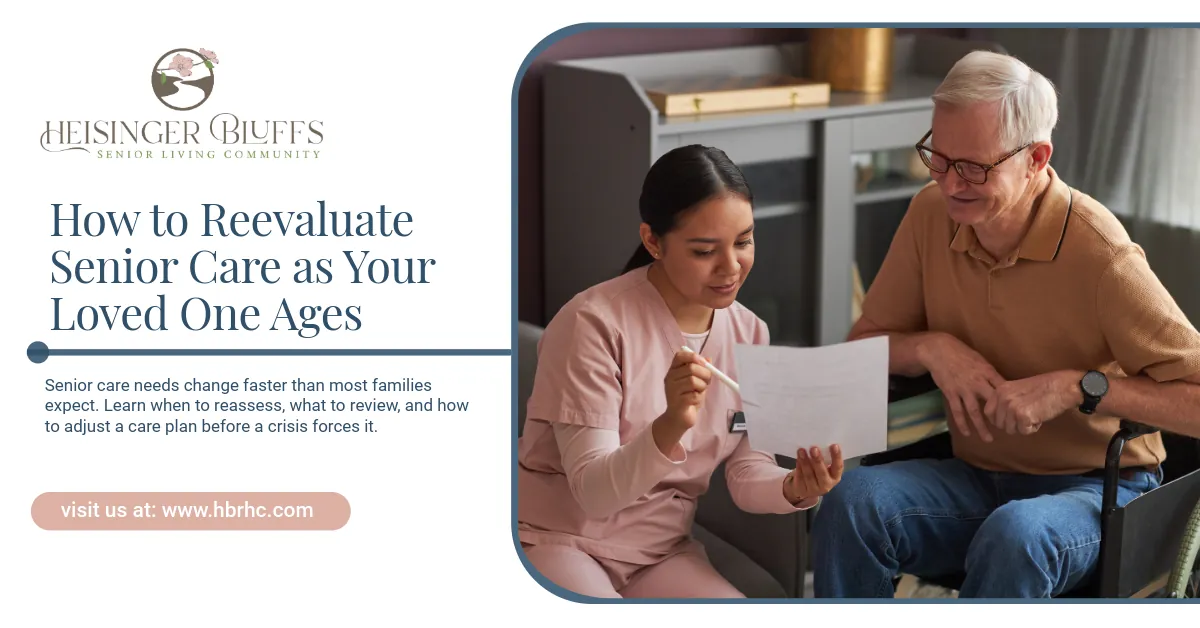


Seniors adapt to physical changes by making practical adjustments that support safety, comfort, and independence. Changes such as reduced mobility, balance issues, or lower energy levels are common with aging, but they can be managed effectively.
Key ways seniors can adapt include:
- Staying physically active: Gentle exercises like walking, stretching, or strength training help maintain balance, flexibility, and muscle strength.
- Modifying the living environment: Simple home updates—grab bars, better lighting, and non-slip flooring—reduce fall risks and support daily activities.
- Using assistive devices: Canes, walkers, hearing aids, and adaptive tools make movement and communication easier.
- Prioritizing health care: Regular checkups, physical therapy, and medication reviews help manage chronic conditions and prevent setbacks.
- Listening to the body: Resting when needed and adjusting routines helps prevent fatigue and injury.
Adapting early allows seniors to remain confident and active while preserving their quality of life.
At Heisinger Bluffs, seniors receive supportive services and a safe environment designed to help residents adapt comfortably as their physical needs change.
Frequently Asked Questions
What physical changes are most common with aging?
Reduced strength, balance issues, joint stiffness, and slower movement are common.
Can exercise really help seniors adapt?
Yes. Regular, age-appropriate activity improves mobility and reduces fall risk.
When should seniors consider extra support?
When daily tasks become difficult or safety concerns increase.
Sources:
- https://www.cottagelitchfield.com/blog/supporting-a-resident-who-struggles-with-change
- https://www.mayoclinic.org/healthy-lifestyle/healthy-aging/in-depth/aging/art-20046070