
Are Seniors Less Active in Senior Living?

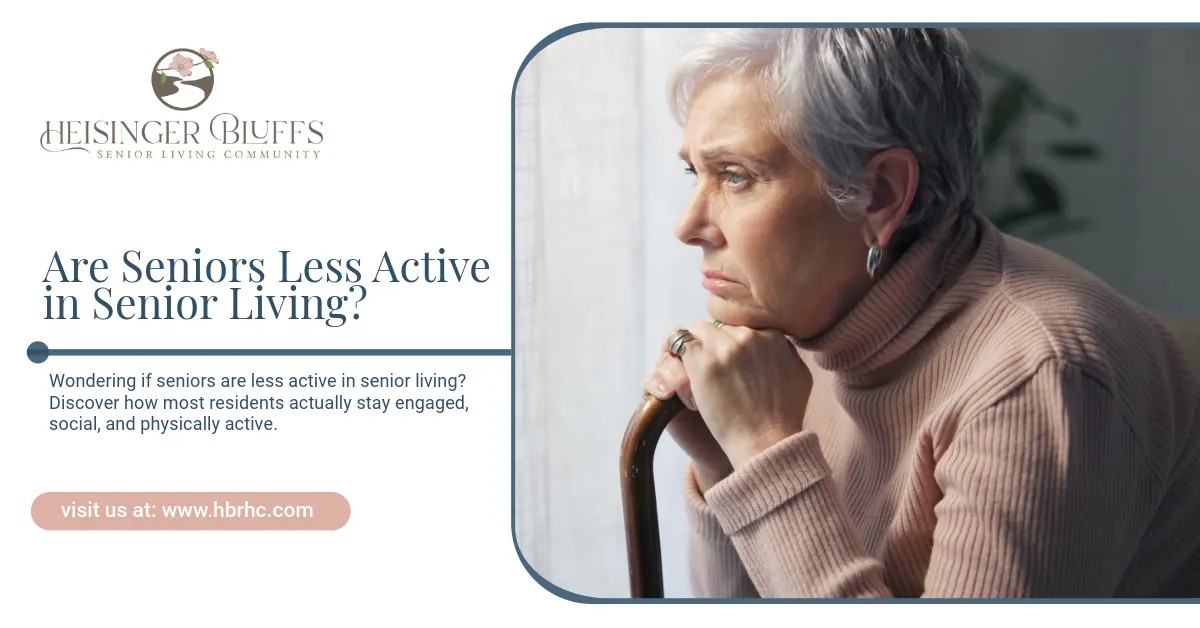
An older woman leaning on a cane, looking out a window.

Contrary to popular belief, seniors are not less active in senior living communities. In fact, many become more engaged thanks to structured programs and social opportunities. These communities often provide daily fitness classes, walking clubs, creative workshops, and regular outings, all designed to encourage movement and interaction.


Rather than isolating, residents typically thrive in an environment where activities are easily accessible and tailored to various ability levels. Seniors also benefit from peer support, which can motivate them to stay active longer than they might have at home.


Social wellness plays a major role too. Frequent events like game nights, group meals, and hobby groups promote mental stimulation and emotional health, both essential for a well-rounded, active lifestyle.


If you're looking for a place where your loved one can stay active and engaged, consider Heisinger Bluffs, where community and vitality come together.


Frequently Asked Questions

  • Do senior living communities have exercise programs?

    Yes, most offer classes like yoga, strength training, and aquatic exercises.

  • Is social activity encouraged in senior living?

    Absolutely,  group events and shared spaces help build strong social bonds.

  • Can introverted seniors still stay active?

    Yes, there are many low-pressure, individual or small-group activities available.


Sources:

  1. https://hr.ucsf.edu/wellbeing/coping-and-resiliency-program/cope-program-wellness-resources/maintaining-wellness-older-adults-and-caregivers
  2. https://www.healthline.com/health/everyday-fitness/senior-workouts

Heisinger Bluffs logo
A nurse sitting next to an elderly woman on a couch
SCHEDULE A TOUR
Google rating average 4.65 rating out of 60 reviews

Want to know more?

Share This Article

You May Also Like To Read

A nurse assisting an elderly woman in bed;
By Heisinger Bluffs Editorial January 21, 2026
Learn when physical changes are a medical emergency and which warning signs in older adults require immediate care.
Older adult with hands on face, looking distressed.
By Heisinger Bluffs Editorial January 21, 2026
Learn what causes paranoia in older adults, including medical, cognitive, and emotional factors families should recognize.
An elderly woman with her hands covering her face, losing interest in her hobby
By Heisinger Bluffs Editorial January 21, 2026
Is it normal for seniors to lose interest in hobbies? Learn common reasons, when to be concerned, and how families can help.
A caregiver with her head in her hands, looking exhausted, sits near an elderly person in a wheelcha
By Heisinger Bluffs Editorial January 21, 2026
Learn what caregiver burnout is, its common symptoms, causes, and how families can recognize and prevent caregiver burnout.
An elderly man sitting on a desk, scratching his head, showing confusion
By Heisinger Bluffs Editorial January 21, 2026
Learn the most common challenges seniors face, from health changes to social isolation, and how families can better support aging adults.
Smiling senior couple holding mugs, sitting outdoors with fruits.
By Heisinger Bluffs Editorial January 21, 2026
Discover essential preventive healthcare tips for seniors, from screenings to lifestyle changes, to stay healthy and active.
More Posts