
Key Highlights
- Fatigue in older adults is common and can result from physical, mental, or medical factors.
- Proper sleep habits and rest strategies are essential for energy management.
- Balanced nutrition and hydration play a key role in reducing fatigue.
- Physical activity, when tailored appropriately, boosts energy and overall health.
- Stress management, social engagement, and medical support help prevent chronic fatigue.
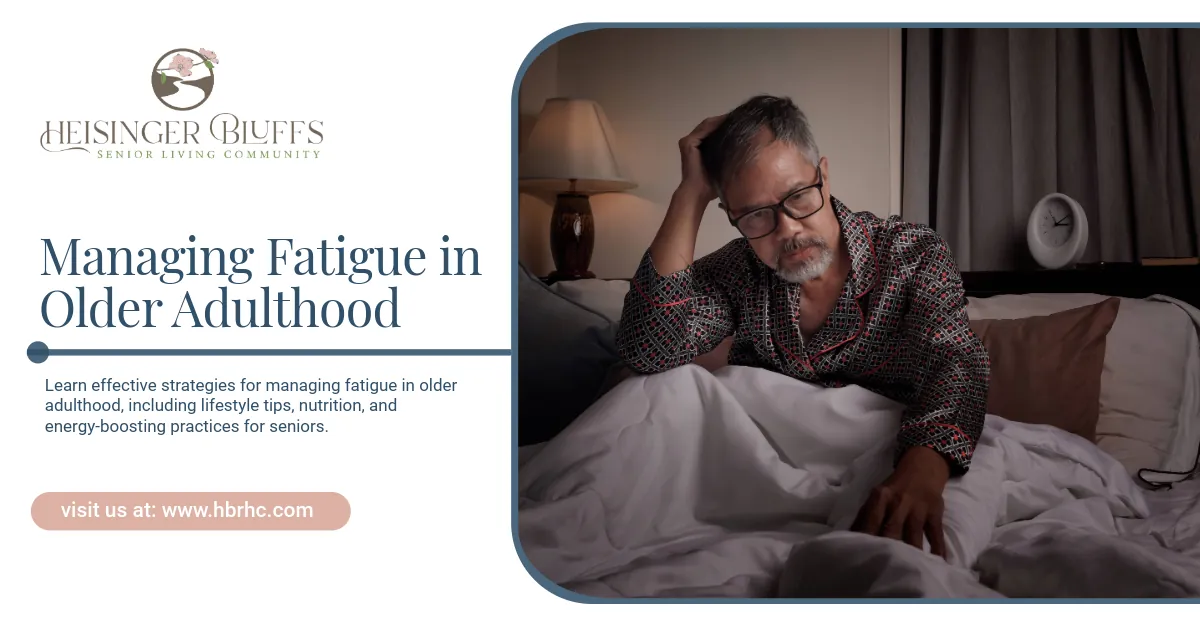
Feeling tired after a busy day is normal at any age, but persistent fatigue in older adulthood is a common concern that can affect quality of life, independence, and overall health. Fatigue is more than just feeling sleepy—it can manifest as a lack of energy, difficulty concentrating, or reduced motivation. Understanding the causes and implementing effective strategies can help older adults manage fatigue and maintain vitality.
This guide explores practical ways to manage fatigue in older adulthood, offering evidence-based tips for better energy, mood, and health.
Understanding Fatigue in Older Adults
Fatigue in older adults is multifactorial, often caused by a combination of lifestyle, health, and psychological factors. Common contributors include:
- Medical conditions: Chronic illnesses like heart disease, diabetes, thyroid disorders, or anemia can cause persistent fatigue.
- Medications: Some prescription drugs, including blood pressure medications, sedatives, and pain relievers, may have side effects that increase tiredness.
- Sleep problems: Insomnia, sleep apnea, or restless leg syndrome can reduce restorative sleep.
- Mental health: Anxiety, depression, and stress contribute to low energy levels.
- Physical inactivity: Sedentary behavior can paradoxically increase fatigue over time.
Recognizing the underlying causes is essential for effective management. Consulting a healthcare provider can help identify medical or medication-related factors.
Prioritizing Restful Sleep
Quality sleep is one of the most effective ways to combat fatigue. Older adults often experience changes in sleep patterns, including lighter sleep and frequent waking.
Tips for better sleep:
- Maintain a consistent sleep schedule, even on weekends.
- Create a calm sleep environment: cool, dark, and quiet.
- Limit caffeine and alcohol in the evening.
- Engage in relaxing pre-sleep routines, like reading or gentle stretching.
- Address sleep disorders with professional support, such as sleep studies for apnea.
Recommended Sleep Habits for Older Adults
| Habit | Recommended Practice |
|---|---|
| Sleep Duration | 7–9 hours per night |
| Bedtime Routine | Consistent schedule; wind down 30–60 min before bed |
| Sleep Environment | Dark, quiet, cool room; comfortable mattress/pillows |
| Limit Stimulants | Avoid caffeine and electronics 2–3 hours before bed |
| Daytime Naps | Short (20–30 min) if necessary, avoid late afternoon naps |
Nutrition and Hydration for Energy
Food and fluids are critical for maintaining energy levels. Poor nutrition can exacerbate fatigue, while a balanced diet can improve stamina and overall health.
Energy-boosting nutrition tips:
- Balanced meals: Include lean proteins, whole grains, fruits, and vegetables.
- Healthy fats: Nuts, seeds, olive oil, and fatty fish support brain and heart health.
- Iron and B12: Essential for energy; consider supplementation if deficient.
- Hydration: Dehydration can cause fatigue, so drink water regularly throughout the day.
- Smaller, frequent meals: Stabilize blood sugar and prevent energy dips.
Physical Activity to Combat Fatigue
It may seem counterintuitive, but regular, moderate physical activity can reduce fatigue and boost energy. Exercise improves cardiovascular health, strengthens muscles, and enhances mood.
Safe exercises for older adults:
- Walking or light jogging
- Swimming or water aerobics
- Chair yoga or gentle stretching
- Resistance training with light weights or bands
- Group fitness classes designed for seniors
Energy Tip: Start slow and gradually increase activity. Even short bursts of movement throughout the day can improve stamina.
Managing Stress and Mental Fatigue
Mental and emotional fatigue can be as draining as physical tiredness. Chronic stress, worry, or depression can lead to persistent fatigue.
Strategies to manage mental fatigue:
- Practice mindfulness or meditation to reduce stress levels.
- Engage in relaxing hobbies such as reading, gardening, or music.
- Connect with friends and family to support emotional well-being.
- Seek counseling or therapy if persistent low energy is linked to mood disorders.
Balancing Daily Activities and Energy Levels
Older adults benefit from strategic pacing of activities to avoid overexertion.
Practical tips:
- Plan demanding tasks for peak energy times of the day.
- Break large tasks into smaller, manageable steps.
- Include short rest periods between activities.
- Use assistive devices if needed to reduce physical strain.
Recognizing When Fatigue Needs Medical Attention
While mild fatigue is often manageable with lifestyle adjustments, persistent or severe fatigue may indicate an underlying health issue. Seek medical attention if fatigue is accompanied by:
- Unexplained weight loss
- Shortness of breath or chest pain
- Persistent sadness or mood changes
- Difficulty performing daily activities
Your healthcare provider can evaluate for medical causes, adjust medications, or recommend appropriate interventions.
Creating a Supportive Environment
Environmental factors can influence energy levels. Seniors benefit from surroundings that promote comfort, safety, and engagement:
- Adequate lighting to reduce strain and prevent accidents
- Ergonomic furniture to minimize physical effort
- Social spaces to encourage engagement and reduce isolation
- Access to activities and programs that align with personal interests
Communities designed for older adults often provide these supports, helping residents manage fatigue more effectively while maintaining independence.
Final Thoughts
Managing fatigue in older adulthood requires a multifaceted approach, combining rest, nutrition, exercise, stress management, and social engagement. By adopting these strategies, seniors can preserve energy, maintain independence, and enjoy a higher quality of life.
Communities like Heisinger Bluffs provide the ideal environment for older adults to implement these practices, offering support, safety, and opportunities for active, engaged living. Reach out today!
Frequently Asked Questions
Is fatigue a normal part of aging
Some tiredness is normal, but persistent or severe fatigue is not. It often indicates lifestyle, medication, or health issues that can be addressed.
Can short naps help manage fatigue?
Yes. Short naps of 20–30 minutes can restore energy without interfering with nighttime sleep. Avoid long or late-afternoon naps.
Which foods can help boost energy in older adults?
Foods rich in lean protein, whole grains, fruits, vegetables, and healthy fats provide sustained energy. Staying hydrated is equally important.
How can exercise reduce fatigue?
Regular, moderate exercise improves cardiovascular health, increases stamina, strengthens muscles, and boosts mood, all of which reduce fatigue.
When should I see a doctor for fatigue?
Seek medical advice if fatigue is persistent, unexplained, or accompanied by other concerning symptoms such as weight loss, shortness of breath, or mood changes.
Sources:
- https://pmc.ncbi.nlm.nih.gov/articles/PMC10653728/
- https://www.ncoa.org/article/the-top-10-most-common-chronic-conditions-in-older-adults/
- https://pmc.ncbi.nlm.nih.gov/articles/PMC8399049/
- https://medlineplus.gov/exerciseforolderadults.html
- https://www.sciencedirect.com/science/article/abs/pii/S0167494325002079