
When Should Seniors Consider Short-Term Rehabilitation
Key Highlights
- Short-term rehabilitation helps seniors recover from surgery, illness, or injury safely.
- It provides physical, occupational, and speech therapy to restore independence.
- Early intervention can prevent complications and reduce hospital readmissions.
- Real-life examples show improved recovery outcomes and quality of life.
- Short-term rehabilitation is suitable for seniors with temporary care needs, not just permanent disabilities.
What Is Short-Term Rehabilitation?
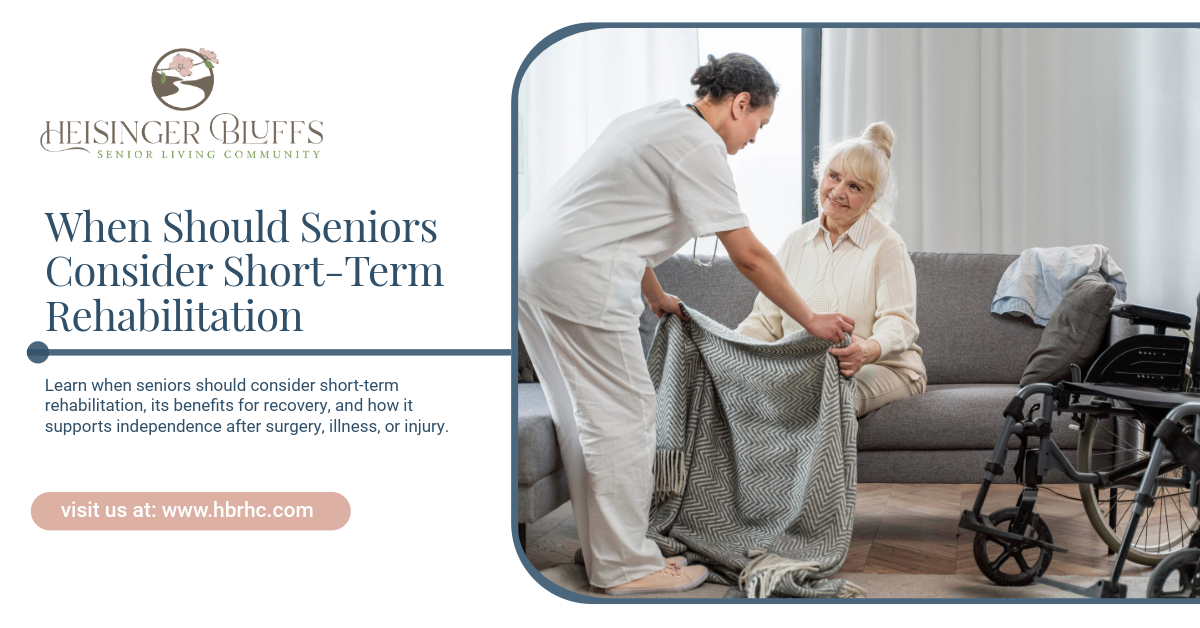
Short-term rehabilitation refers to a structured, temporary program designed to help individuals regain strength, mobility, and independence after a health event.
Unlike long-term care, which provides ongoing support for chronic conditions, short-term rehabilitation focuses on recovering function and returning to normal activities. Programs often include:
- Physical therapy (PT)
- Occupational therapy (OT)
- Speech therapy (ST)
- Medical monitoring and nursing support
- Education on home safety and self-care
In our sessions, we’ve seen seniors achieve significant functional improvements in just a few weeks of short-term rehabilitation, allowing them to safely return home or resume independent living.
Common Scenarios When Seniors May Need Short-Term Rehabilitation
1. After Surgery
Seniors often require rehabilitation after surgeries like:
- Hip or knee replacements
- Heart procedures
- Abdominal or spinal surgery
Benefits:
- Regain mobility and strength
- Learn safe techniques for daily activities
- Reduce risk of falls or complications
For example, Mrs. Davis, age 82, recovered from hip replacement surgery with PT in a short-term rehab program, regaining independence in walking and daily activities within three weeks.
2. Following an Illness
Acute illnesses such as pneumonia, influenza, or infections can temporarily weaken seniors.
- Rehab focuses on restoring stamina, balance, and functional capacity
- Helps prevent long-term deconditioning and loss of independence
3. After Injury
Falls or accidents are common among seniors and often lead to fractures or soft-tissue injuries.
- Short-term rehabilitation provides therapy and monitoring to ensure safe recovery
- Reduces the likelihood of long-term mobility loss
4. For Post-Hospital Recovery
Hospital stays can leave seniors physically and mentally weakened. Short-term rehab bridges the gap between hospital discharge and returning home safely.
- Provides structured support to prevent readmissions
- Addresses both physical and cognitive recovery
Benefits of Short-Term Rehabilitation for Seniors
1. Faster Recovery and Improved Independence
Short-term rehabilitation allows seniors to regain functional skills efficiently.
- Residents participate in tailored therapy programs designed for their specific needs.
- In practice, we’ve seen seniors who initially needed extensive assistance gradually return to independent living.
2. Reduced Risk of Complications
Supervised rehab programs prevent falls, manage pain, and monitor vital signs, reducing the risk of complications or hospital readmissions.
3. Personalized Care Plans
Therapists and nurses design individualized programs based on:
- Medical history
- Strength and mobility level
- Cognitive function
- Goals for returning home
Real-world example: Mr. Lee, 79, recovering from a stroke, followed a personalized OT and PT program and regained the ability to perform daily activities independently within six weeks.
4. Emotional and Social Support
Short-term rehabilitation also provides social interaction and emotional support.
- Seniors interact with staff and peers, reducing feelings of isolation
- Structured programs foster confidence and motivation
How Short-Term Rehabilitation Works
- Assessment: Medical professionals evaluate the senior’s condition, mobility, cognitive function, and recovery goals.
- Customized Therapy Plan: PT, OT, and ST schedules are created to address deficits.
- Monitoring and Adjustments: Progress is tracked, and plans are modified as needed.
- Transition Support: Before returning home, seniors receive guidance on home safety, adaptive devices, and ongoing exercises.
| Component | Purpose | Example |
|---|---|---|
| Physical Therapy | Improve strength, balance, and mobility | Walking practice after hip surgery |
| Occupational Therapy | Restore independence in ADLs | Learning safe ways to dress or cook |
| Speech Therapy | Improve communication and swallowing | Regaining speech after stroke |
| Nursing Support | Monitor health, manage medications | Daily vitals and medication adjustments |
| Social/Emotional Support | Boost confidence and engagement | Group activities, therapy sessions |
Signs Seniors Should Consider Short-Term Rehabilitation
- Difficulty performing basic daily activities independently
- Recent hospitalization or surgery
- Weakness, fatigue, or loss of mobility after illness
- Cognitive changes impacting safety at home
- Family or caregiver concerns about safe home return
In our practice, early referral to short-term rehabilitation often prevents setbacks and promotes a faster, safer return to independent living.
Real-Life Case Study
Case Study: Mrs. Thompson: Mrs. Thompson, 85, was hospitalized for pneumonia and became weak and unsteady.
- Before Rehab: She struggled with walking, bathing, and preparing meals, requiring full assistance.
- Short-Term Rehabilitation: She enrolled in a four-week program focusing on PT for strength, OT for daily tasks, and nursing oversight.
- Outcome: Mrs. Thompson regained mobility, resumed independent bathing and meal prep, and returned home with confidence and safety modifications in place.
This case highlights how short-term rehabilitation restores function, independence, and emotional well-being for seniors.
Benefits for Families
- Peace of Mind: Professional care ensures loved ones recover safely.
- Reduced Caregiver Burden: Families can take a temporary break while seniors regain independence.
- Guidance for Home Transition: Rehab staff educates families on adaptive techniques and safety measures.
Families consistently report lower stress levels and increased confidence when their loved ones participate in structured short-term rehabilitation programs.
Final Thoughts
Short-term rehabilitation offers seniors a structured, supportive environment to regain strength, independence, and confidence after surgery, illness, or injury. By providing personalized therapy, medical oversight, and emotional support, these programs improve both physical and mental well-being while reducing stress for families.
At Heisinger Bluffs, we’ve seen firsthand how short-term rehabilitation transforms recovery for seniors, helping them return home safely, regain independence, and enjoy a higher quality of life. Contact us today!
Frequently Asked Questions
How long does short-term rehabilitation last?
Typically 2–6 weeks, depending on the individual’s recovery needs and goals.
Is short-term rehabilitation only for seniors?
No, but seniors are the most common participants due to higher risk of falls, surgery recovery, and chronic conditions.
Can rehabilitation prevent hospital readmission?
Yes. Structured rehab reduces complications, improves mobility, and ensures safe transitions home.
Is therapy tailored to each senior?
Absolutely. Each resident receives an individualized plan based on their medical history, functional abilities, and recovery goals.
Can short-term rehabilitation be combined with home care?
Yes. Many seniors continue therapy exercises or support at home after the program concludes to maintain progress.
Sources:
- https://www.ncoa.org/article/the-top-10-most-common-chronic-conditions-in-older-adults/
- https://www.ncoa.org/article/get-the-facts-on-falls-prevention/
- https://www.ncbi.nlm.nih.gov/books/NBK606114/
- https://hsph.harvard.edu/news/the-importance-of-connections-ways-to-live-a-longer-healthier-life/



Share This Article
You May Also Like To Read