

How Can Seniors Improve Brain Function?
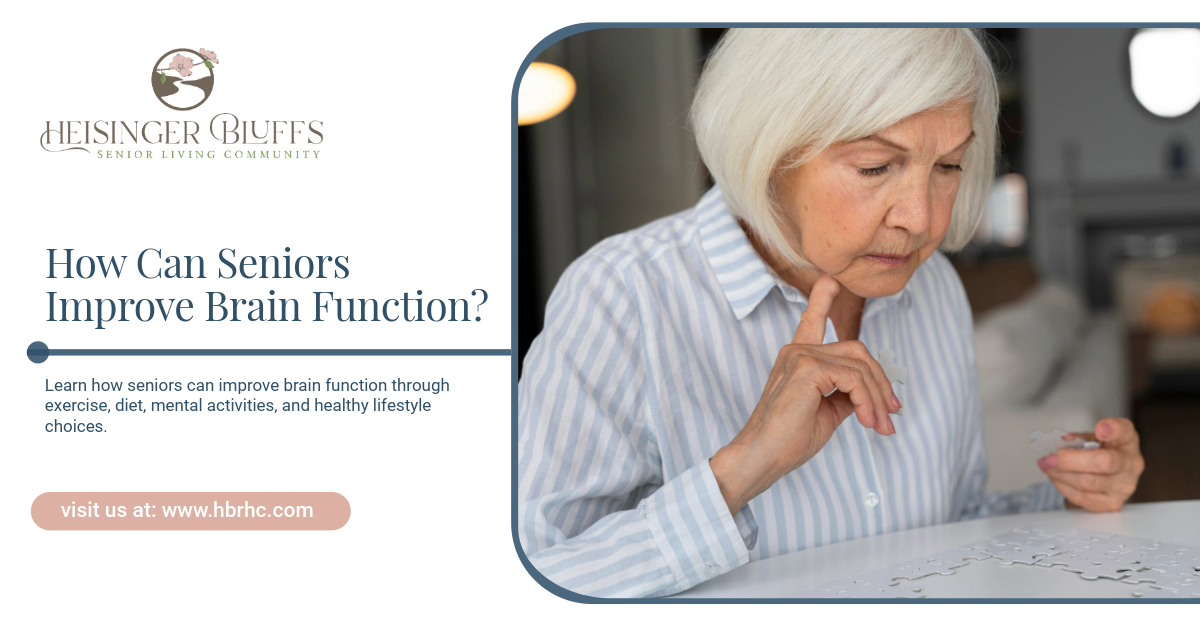
Maintaining strong cognitive function is essential for seniors who want to stay independent and active. Brain health can be improved through simple, daily strategies that stimulate the mind and body.
Ways Seniors Can Boost Brain Function:
- Mental exercises: Puzzles, reading, learning new skills, or playing strategy games challenge the brain and enhance memory.
- Physical activity: Regular exercise increases blood flow to the brain, supporting overall cognitive health.
- Healthy diet: Nutrient-rich foods like fruits, vegetables, whole grains, and omega-3 fatty acids help protect brain cells.
- Quality sleep: Adequate sleep improves memory consolidation and mental clarity.
- Social engagement: Interaction with friends, family, or community activities keeps the mind active and reduces the risk of cognitive decline.
Incorporating these habits can slow age-related cognitive decline and improve mental sharpness, focus, and memory.
At Heisinger Bluffs, seniors benefit from programs and activities designed to enhance brain function while fostering social connections and overall wellness.
Frequently Asked Questions
Can learning new skills really improve brain function?
Yes, challenging the brain with new skills strengthens neural connections.
How often should seniors exercise for cognitive benefits?
Aim for at least 30 minutes of moderate activity most days of the week.
Are social activities important for brain health?
Absolutely. Social engagement stimulates the mind and reduces risk of memory decline.
Sources:
- https://www.mayoclinic.org/healthy-lifestyle/healthy-aging/in-depth/memory-loss/art-20046518


Share This Article
You May Also Like To Read

Wondering when long-term care for seniors is recommended? Learn the key signs, care options, and how families can decide on the right time to move.

Learn how speech therapy after a health setback helps seniors recover speech, swallowing, memory, and confidence after a stroke, illness, or surgery.

Considering a career in senior care? Learn about roles, training, skills, pay factors, and growth paths to decide if this rewarding field is right for you.
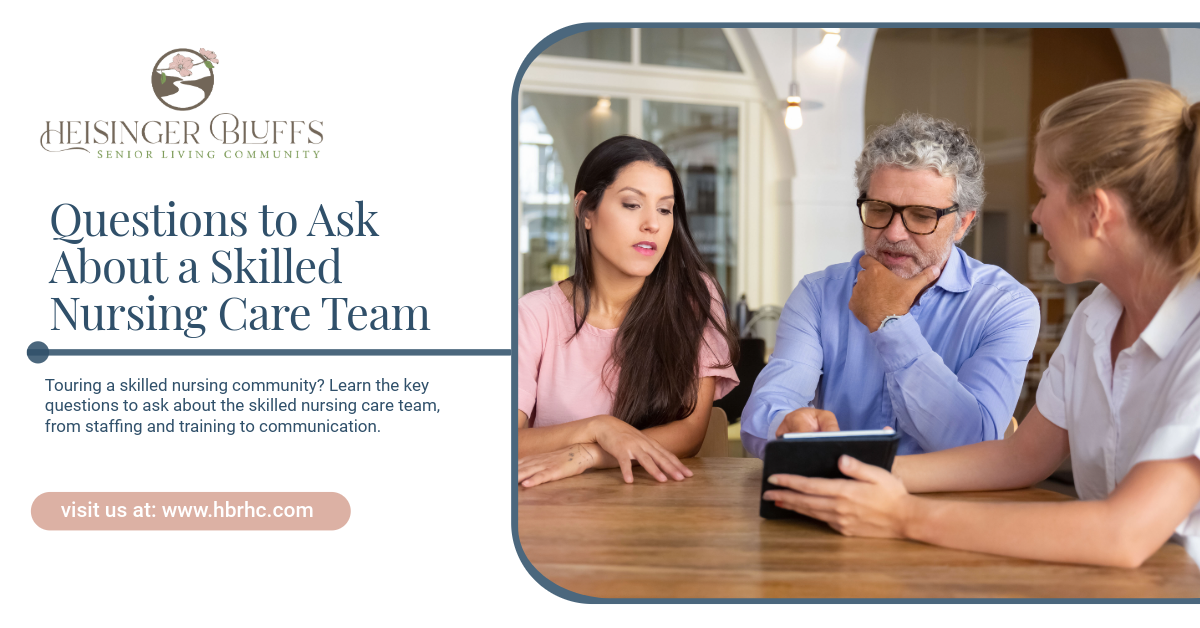
Touring a skilled nursing community? Learn the key questions to ask about the skilled nursing care team, from staffing and training to communication.
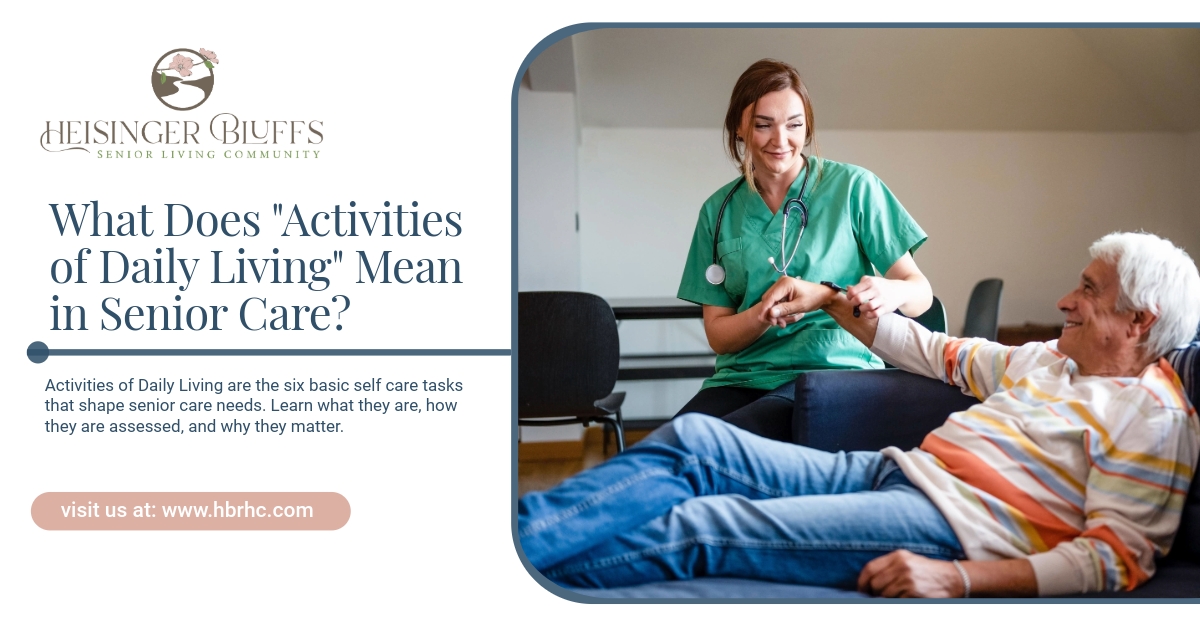
Activities of Daily Living are the six basic self care tasks that shape senior care needs. Learn what they are, how they are assessed, and why they matter.
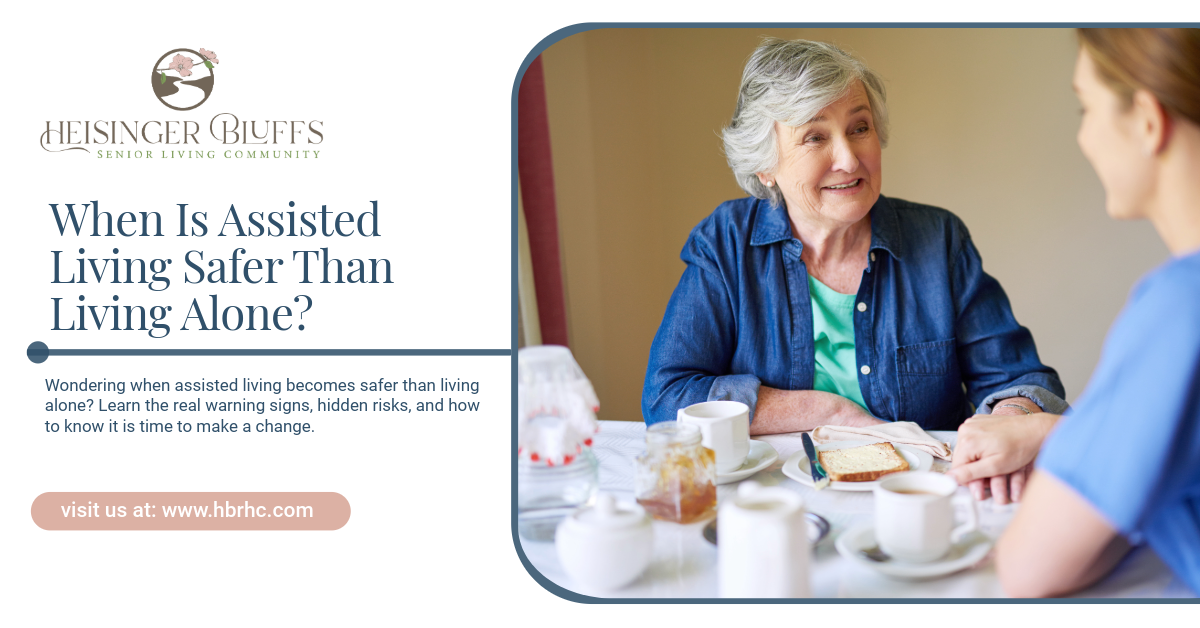
Wondering when assisted living becomes safer than living alone? Learn the real warning signs, hidden risks, and how to know it is time to make a change.