

Key Highlights
- Self-care is essential for seniors to maintain independence and quality of life.
- Physical activity, balanced nutrition, and regular healthcare improve overall health.
- Mental wellness, social connection, and stress management support emotional resilience.
- Real-life examples demonstrate how seniors benefit from structured self-care routines.
- Small, consistent changes in daily habits can lead to significant improvements in well-being.
Aging gracefully requires a proactive approach to self-care. For seniors, self-care goes beyond occasional pampering—it is a holistic practice that encompasses physical health, emotional well-being, cognitive function, and social engagement. By adopting effective senior self-care tips, older adults can maintain independence, reduce the risk of chronic illness, and enjoy a higher quality of life.
Self-Care Tips For Seniors
1. Prioritize Physical Health
Maintaining physical health is a cornerstone of senior self-care. Regular activity supports mobility, cardiovascular health, and mental clarity.
Recommended Practices
- Daily Exercise: Walking, swimming, yoga, or tai chi to maintain flexibility, strength, and balance.
- Strength Training: Light weights or resistance bands 2–3 times per week to prevent muscle loss.
- Balance Exercises: Activities like standing on one foot or heel-to-toe walking reduce fall risk.
Case Example: In our sessions with senior residents, those who committed to a 30-minute daily walking routine reported improved stamina, reduced joint stiffness, and fewer instances of fatigue over six months.
Insight: Studies from the National Institute on Aging confirm that seniors who engage in regular physical activity have lower risks of chronic conditions, improved cognitive performance, and enhanced emotional well-being.
2. Nutrition and Hydration
Good nutrition and proper hydration are vital for maintaining energy, immunity, and overall health.
Key Strategies
- Balanced Diet: Emphasize fruits, vegetables, whole grains, lean proteins, and healthy fats.
- Vitamin & Mineral Support: Adequate calcium, Vitamin D, and B12 are essential for bone and neurological health.
- Hydration: Aim for 6–8 glasses of water per day, adjusting for activity and weather.
Real-Life Example: Residents who adopted a diet rich in seasonal vegetables, lean proteins, and whole grains reported improved digestion, increased energy levels, and better mood regulation within three months of dietary changes.
Professional Insight: Proper nutrition can reduce inflammation, improve heart and brain health, and support weight management—all key factors in longevity.
3. Mental Health and Cognitive Wellness
Cognitive and emotional health are critical components of senior self-care. Engaging the mind and managing emotions can reduce stress, prevent depression, and enhance quality of life.
Practical Tips
- Mental Stimulation: Puzzles, reading, learning new skills, or memory games.
- Mindfulness Practices: Meditation, deep-breathing exercises, or yoga to reduce stress.
- Counseling or Support Groups: Access to professional support or peer groups improves resilience.
Observation: In our practice, seniors participating in weekly cognitive workshops and mindfulness sessions reported enhanced memory, reduced anxiety, and greater engagement in daily activities.
Insight: Research published shows that seniors who consistently engage in cognitive exercises have a lower risk of cognitive decline and dementia.
4. Social Engagement
Maintaining social connections is a vital aspect of self-care. Isolation can negatively affect both physical and mental health.
Strategies for Social Well-Being
- Join clubs, hobby groups, or community organizations.
- Schedule regular visits or calls with friends and family.
- Participate in volunteer opportunities to maintain a sense of purpose.
Case Study: Residents who participated in a weekly gardening club not only enjoyed physical activity but also fostered meaningful social bonds. Over six months, these seniors reported reduced feelings of loneliness and increased life satisfaction.
Insight: Studies indicate that socially engaged seniors experience lower levels of depression, reduced cognitive decline, and improved overall health outcomes.
5. Preventive Healthcare
Proactive healthcare is essential to managing chronic conditions and preventing new health issues.
Key Practices
- Routine check-ups with primary care providers.
- Screenings for blood pressure, cholesterol, diabetes, and cancers.
- Vaccinations, including flu, shingles, and COVID-19 boosters.
- Regular dental, vision, and hearing exams.
Observation: Residents who kept up with routine medical appointments experienced fewer hospitalizations, better chronic disease management, and maintained greater independence.
Insight: Preventive healthcare reduces mortality risk, prevents complications, and supports long-term self-care effectiveness.
6. Sleep Hygiene
Quality sleep is essential for physical repair, cognitive function, and emotional stability.
Tips for Better Sleep
- Maintain a consistent bedtime and wake-up schedule.
- Reduce exposure to screens and bright lights before bedtime.
- Create a relaxing bedtime routine, such as reading or gentle stretching.
- Keep the bedroom cool, quiet, and dark.
Real-Life Example: Seniors who followed structured sleep routines in our sessions reported fewer daytime fatigue episodes, improved concentration, and a more positive mood throughout the day.
7. Stress Management
Chronic stress can negatively impact cardiovascular health, immune function, and cognitive abilities.
Stress Reduction Strategies
- Gentle exercises like yoga or tai chi.
- Hobbies such as painting, music, or gardening.
- Mindfulness meditation and deep-breathing exercises.
- Social support and counseling when needed.
Observation: Seniors who practiced weekly meditation and engaged in creative hobbies demonstrated lower stress levels, better emotional regulation, and improved sleep quality.
8. Personal Hygiene and Grooming
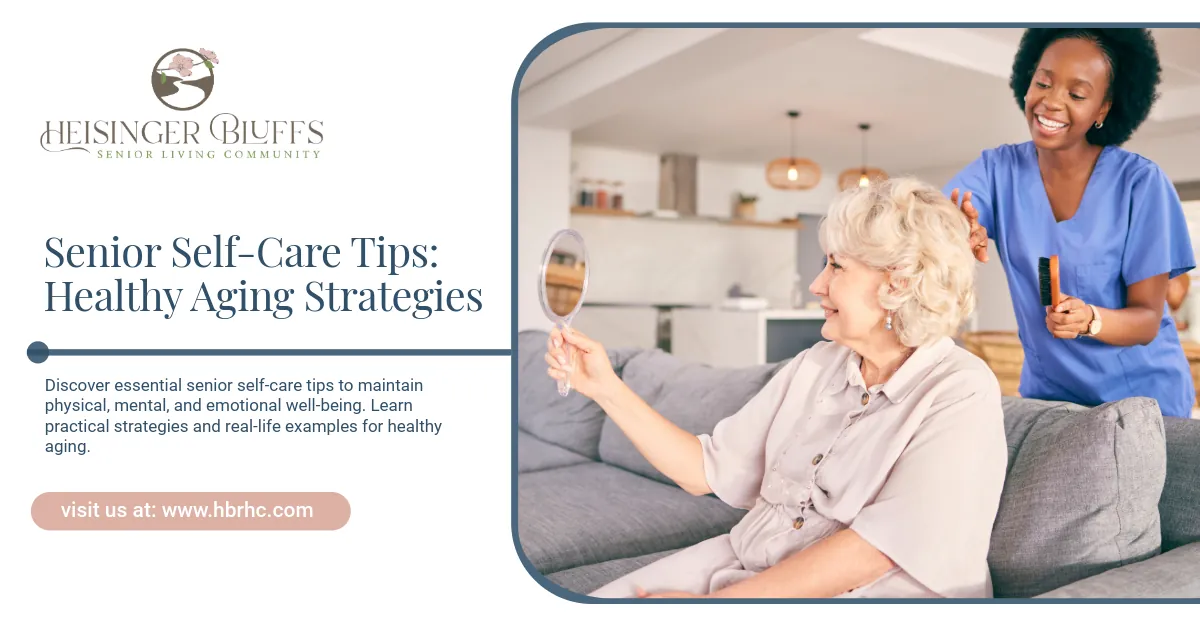
Maintaining personal hygiene is a critical, often overlooked aspect of senior self-care. It supports physical health, prevents infections, and enhances confidence.
Tips
- Regular handwashing and oral care.
- Bathing or showering routines adapted for mobility.
- Skin care to prevent dryness, irritation, and infections.
- Proper nail and hair care.
Case Example: Residents who adopted daily hygiene routines reported fewer skin infections and increased comfort, which contributed to overall wellness and independence.
Senior Self-Care Checklist
| Self-Care Area | Recommended Practices | Benefits |
|---|---|---|
| Physical Health | Walking, yoga, strength training | Mobility, balance, cardiovascular health |
| Nutrition & Hydration | Balanced diet, seasonal produce, water intake | Energy, immunity, digestion |
| Mental Health | Puzzles, learning, mindfulness | Cognitive health, emotional resilience |
| Social Engagement | Clubs, volunteer work, family visits | Reduce isolation, improve mood |
| Preventive Care | Check-ups, screenings, vaccinations | Disease prevention, early detection |
| Sleep | Consistent routine, relaxing bedtime | Restored energy, cognitive clarity |
| Stress Management | Meditation, hobbies, social support | Lower stress, better emotional health |
| Personal Hygiene | Bathing, skin care, oral care | Prevent infections, maintain confidence |
9. Purposeful Living
Having a sense of purpose contributes to emotional resilience and overall health.
Tips for Maintaining Purpose
- Volunteer or mentor others.
- Participate in community events or group projects.
- Set personal goals, such as learning a new skill or hobby.
Real-Life Example: Residents engaged in community storytelling and mentorship programs reported higher life satisfaction, better mood, and increased social interactions.
Insight: Research in The Gerontologist shows that seniors with a strong sense of purpose live longer and experience better mental health outcomes.
Final Thoughts
Senior self-care encompasses physical, mental, emotional, and social well-being. By prioritizing exercise, nutrition, sleep, preventive healthcare, cognitive engagement, social connection, stress management, and hygiene, seniors can maintain independence, improve quality of life, and age gracefully.
For seniors looking for a supportive environment that encourages self-care practices and promotes holistic wellness, Heisinger Bluffs offers programs and resources designed to help residents thrive in every aspect of life. Contact us today!
Frequently Asked Questions
What are the most important self-care tips for seniors?
Prioritize physical activity, balanced nutrition, mental stimulation, social engagement, preventive healthcare, sleep, stress management, and hygiene.
Can seniors improve their health later in life with self-care?
Yes. Even small, consistent lifestyle changes can significantly improve physical, cognitive, and emotional well-being.
How does social engagement contribute to senior self-care?
It reduces feelings of isolation, supports emotional health, and stimulates cognitive function, enhancing overall well-being.
What role does preventive healthcare play in self-care?
Regular check-ups, screenings, and vaccinations help prevent illness, detect conditions early, and maintain independence.
How can seniors manage stress effectively?
Through mindfulness practices, hobbies, gentle exercise, social support, and counseling when needed.
Sources:
- https://www.who.int/news-room/fact-sheets/detail/mental-health-of-older-adults
- https://www.npr.org/2026/02/18/nx-s1-5716010/brain-training-exercise-cut-dementia-risk-decades
- https://www.henryford.com/Blog/2024/11/Social-Connections-For-Seniors