
How Are Families Included in Memory Care Plans?

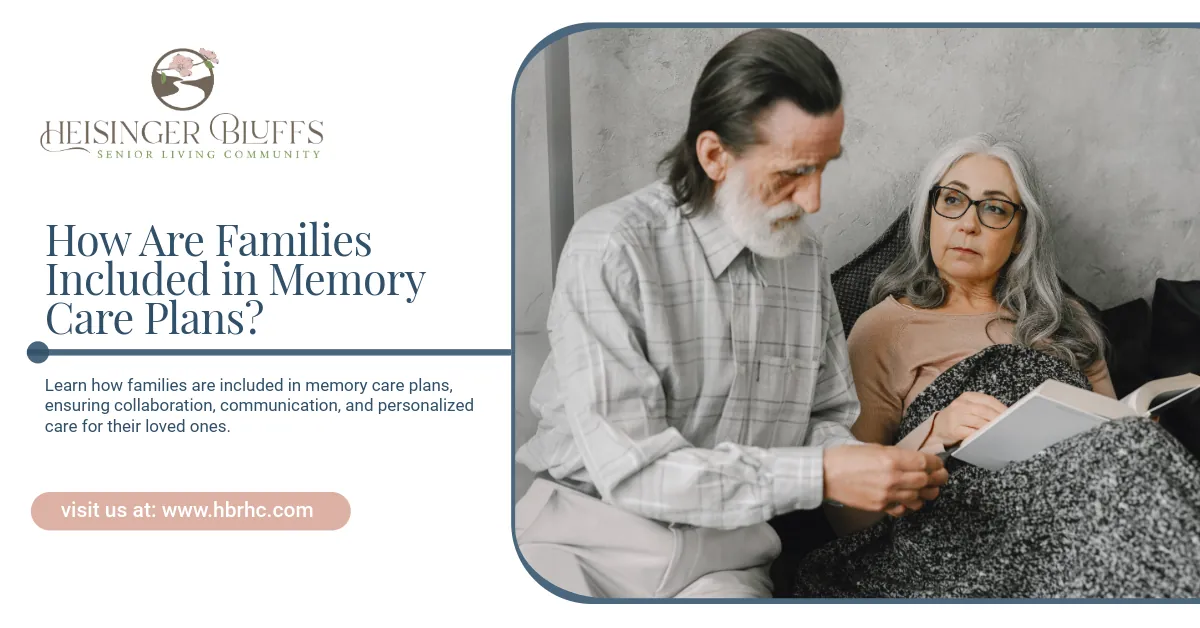
A husband helping his dementia patient wife read a book in bed

Families play a vital role in memory care, helping ensure personalized and effective support for residents. From the start, care teams gather information from family members about daily routines, preferences, and medical history to create individualized care plans.


Regular communication is key. Staff provide updates on progress, behavioral changes, and health concerns through meetings, phone calls, or digital platforms. Families can participate in care conferences to discuss goals, strategies, and adjustments to therapy or daily routines.


Families are also encouraged to be involved in activities, therapy sessions, and special events, which strengthens connections and supports residents’ emotional well-being. Their insights help staff recognize triggers, preferences, and effective interventions.


Including families ensures a collaborative approach, improves quality of care, and provides peace of mind. Communities like Heisinger Bluffs actively engage families in memory care planning to create a supportive and personalized environment for residents.


Frequently Asked Questions

  • Can families visit during therapy sessions?

    Yes, families are encouraged to participate when appropriate.

  • How often are care plans updated?

    Plans are regularly reviewed and adjusted based on resident needs.

  • Can families suggest changes to daily routines?

    Yes, staff welcome family input to enhance care quality.


Sources:

  • https://pmc.ncbi.nlm.nih.gov/articles/PMC8811321/
  • https://www.nccdp.org/16-benefits-of-memory-care-facility-for-caregivers-amp-their-loved-ones/

Heisinger Bluffs logo
A nurse sitting next to an elderly woman on a couch
SCHEDULE A TOUR
Google rating average 4.65 rating out of 60 reviews

Want to know more?

Share This Article

You May Also Like To Read

A man bonding with his elderly father and son
By Heisinger Bluffs Editorial July 2, 2026
Learn how to encourage senior independence without taking over, with practical ways families can support an aging parent while respecting their autonomy.
Caregiver holding hands with a seated elderly woman
By Heisinger Bluffs Editorial July 1, 2026
Discover what compassion satisfaction for family caregivers means, why it matters, and how to nurture the joy and meaning found in caring for a loved one.
Senior man reading a booklet in a bright room
By Heisinger Bluffs Editorial June 30, 2026
Finding purpose after retirement can renew joy and health. Discover meaningful ways to fill your days with connection, growth, and daily fulfillment.
A senior man helping his senior wife, who is kneeling on the floor, overexerted herself
By Heisinger Bluffs Editorial June 29, 2026
Learn the key signs of overexertion in seniors and how to help an aging parent avoid burnout, injury, and fatigue. Practical guidance for caring families.
A senior lying on a hospital bed, talking to a doctor
By Heisinger Bluffs Editorial June 25, 2026
Hospital delirium in older adults is common, serious, and often preventable. Learn the causes, warning signs, and how families can help with recovery.
A senior sitting in a wheelchair, recovering from an illness
By Heisinger Bluffs Editorial June 24, 2026
Recovery after 70 takes longer due to changes in muscle, immunity, and healing. Learn why and how to support faster, safer recovery in older adults.
More Posts