Key Highlights
- Simple daily check-ins help seniors stay healthy and safe during the holiday busy season.
- Hydration, nutrition, mobility, and medication reminders are essential monitoring areas.
- Technology—like wearables and telehealth—can make holiday monitoring easier.
- Families can identify early warning signs of health issues through quick, consistent routines.
- A supportive holiday environment helps seniors enjoy the season without added stress.
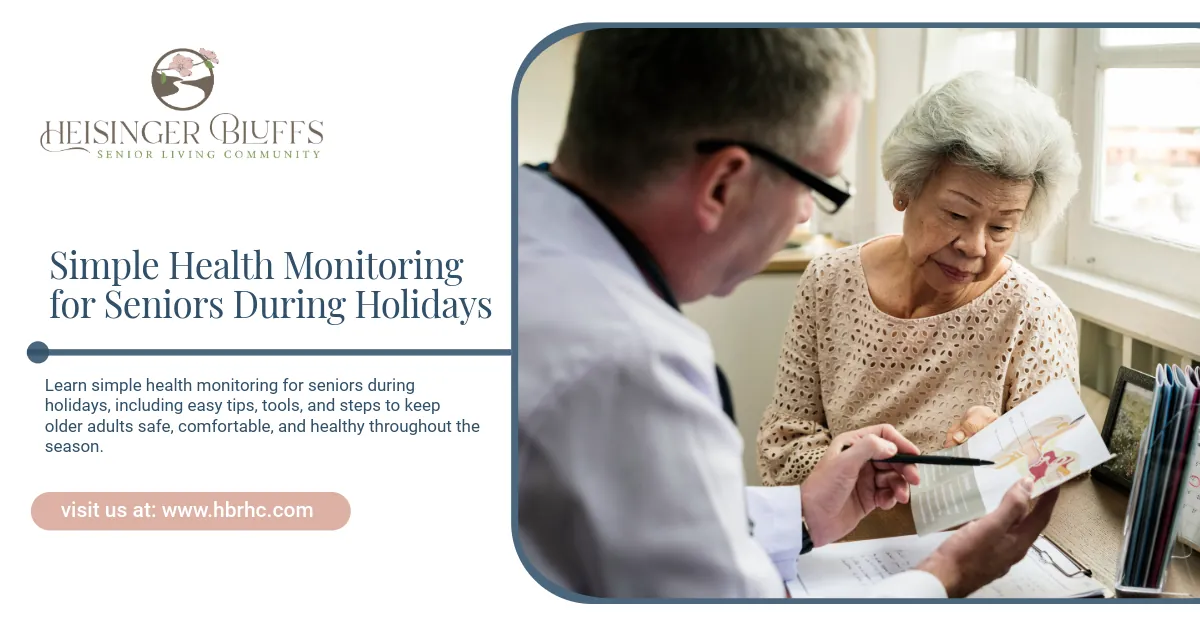
The holiday season is a joyful time filled with gatherings, travel, food, and fun—but it can also be overwhelming for older adults. Seniors are more vulnerable to fatigue, dehydration, medication disruptions, seasonal illnesses, and emotional stress during this time. Maintaining simple health monitoring for seniors during holidays is one of the best ways families can protect their loved ones without making the process feel complicated or intrusive.
This guide offers easy, practical, and effective ways to help seniors stay healthy and comfortable throughout the holiday season. From quick daily wellness checks to using technology and planning routines, you’ll find everything you need to make sure older adults feel supported and cared for.
Why Simple Health Monitoring Matters During the Holidays
The holidays bring changes to daily routines, exposure to larger crowds, colder weather, and increased activity—all of which can impact a senior’s well-being. Simple health monitoring helps families:
- Catch early signs of illness or discomfort
- Prevent medication errors
- Support nutrition and hydration
- Reduce fall risks
- Manage stress and fatigue
- Improve overall holiday enjoyment
Even a few minutes of daily monitoring can make a big difference.
Key Health Areas to Monitor for Seniors During Holidays
1. Hydration Levels
Many seniors drink less water during winter due to reduced thirst, heated indoor environments, and busy schedules. Dehydration can lead to dizziness, fatigue, confusion, and urinary infections.
Tips to Monitor Hydration
- Encourage at least 6–8 cups of water daily (or as recommended by their doctor).
- Offer warm beverages like herbal tea or broth for comfort.
- Use a marked water bottle to track daily intake.
- Watch for signs like dry mouth, dark urine, constipation, or headaches.
2. Nutrition and Seasonal Eating
Holiday meals often mean bigger portions, sugary treats, and salty foods. While enjoyable, they can interfere with digestion, energy levels, and chronic conditions like diabetes or hypertension.
Ways to Support Healthy Eating
- Offer balanced snacks such as fruit, nuts, or yogurt.
- Use smaller plates to avoid overeating.
- Monitor blood sugar if they have diabetes.
- Encourage regular mealtimes despite holiday events.
3. Medication Management
Holiday travel and social activities can disrupt medication schedules. Missed doses or accidental double-dosing can cause significant health issues.
Medication Monitoring Tips
- Keep medications in a labeled weekly pill organizer.
- Set alarms or phone reminders.
- Carry medications in a travel-safe container.
- Always check whether holiday treats or drinks interact with medications.
4. Mobility and Fall Risk
Cluttered holiday decorations, icy walkways, and increased movement around the home can raise the risk of falls.
Mobility Monitoring Checklist
- Ensure pathways are clear of presents, cords, and décor.
- Check if the senior feels steady when walking.
- Encourage stretching or light exercises before events.
- Use supportive shoes and non-slip socks.
5. Mental and Emotional Well-Being
The holidays can trigger loneliness, grief, or stress—especially for seniors who have lost loved ones or cannot travel.
Simple Emotional Check-Ins
- Ask how they are feeling each day.
- Offer opportunities for meaningful conversation.
- Encourage participation in holiday activities at their comfort level.
- Watch for signs of withdrawal, mood changes, or anxiety.
6. Sleep Quality
Holiday noise, late-night gatherings, and routine changes can affect sleep.
Monitoring Sleep
- Encourage consistent bedtimes.
- Limit caffeine and rich foods late in the day.
- Provide a quiet space to rest during family gatherings.
- Watch for signs of poor sleep, such as irritability or napping excessively.
A Useful Holiday Health Monitoring Guide
Below is a simple tool families can use to keep track of key health areas throughout the season:
| Monitoring Area | Daily Check | Warning Signs | Action Steps |
|---|---|---|---|
| Hydration | Did they drink enough water? | Dark urine, headaches | Offer fluids, soups, warm tea |
| Nutrition | Balanced meals & portions | Fatigue, digestive issues | Provide healthy snacks |
| Medication | Meds taken on schedule? | Missed pills, confusion | Set alarms, use organizers |
| Mobility | Steady walking? | Unsteadiness, pain | Clear pathways, provide support |
| Emotional Health | Mood check | Withdrawal, sadness | Talk, involve in activities |
| Sleep | Restful sleeps? | Night waking, fatigue | Maintain routines |
Using Technology to Support Senior Health Monitoring
Today’s technology offers simple, user-friendly tools that make holiday monitoring easier and more consistent.
Helpful Tech for Seniors
- Wearable health trackers (monitor heart rate, steps, sleep)
- Medication reminder apps
- Smart water bottles that track hydration
- Telehealth visits for quick medical advice
- Digital calendars for routines and appointments
These tools help caregivers stay informed without overwhelming the senior with complex gadgets.
Quick Daily Holiday Health Check Routine
This 5-minute routine helps families monitor senior health effectively without making it feel like an inspection.
Daily Checklist
- Hydration: Did they drink enough water so far today?
- Medication: Were all medications taken on time?
- Mobility and Balance: Do they feel steady and comfortable walking?
- Nutrition: Have they eaten recently and made healthy choices?
- Mood: Are they feeling cheerful, calm, or stressed?
- Comfort: Do they feel too cold, too tired, or in pain?
This gentle routine builds awareness and prevents many common holiday health problems.
Holiday Health Tips for Seniors Attending Gatherings
Before the Event
- Eat a small, healthy snack to prevent overeating.
- Wear layered clothing for temperature changes.
- Bring medications and water.
During the Event
- Take breaks away from noise if needed.
- Avoid overly rich or salty foods.
- Drink water between meals.
- Sit near good lighting and away from hazards.
After the Event
- Check for fatigue or discomfort.
- Help with medication reminders.
- Reflect on what worked well for next time.
Supporting Senior Health While Traveling During the Holidays
If your loved one is traveling:
- Pack medications in a carry-on bag
- Bring snacks, water, and comfort items
- Plan extra time for transitions
- Watch for signs of motion sickness or fatigue
- Choose accessible routes and rest areas
Travel can be fun for seniors when monitored with care.
How Families Can Create a Supportive Holiday Environment
A comfortable environment improves a senior’s health and holiday experience.
Home Environment Tips
- Keep walkways clear
- Set comfortable temperature levels
- Provide quiet spaces for rest
- Use warm lighting to reduce eye strain
- Play soft music to create a calming atmosphere
When to Seek Medical Advice During the Holidays
Contact a healthcare provider if you notice:
- Sudden confusion or disorientation
- Difficulty breathing
- Chest pain
- Persistent dizziness
- High fever
- Significant changes in mobility
Early medical guidance can prevent complications.
Final Thoughts
Simple health monitoring for seniors during holidays is essential for their safety, comfort, and joy. By staying attentive to hydration, nutrition, medications, mobility, emotional well-being, and sleep, families can ensure their loved ones enjoy the season with confidence and ease. With thoughtful planning, supportive routines, and a caring environment, seniors can fully participate in holiday traditions without added stress.
At Heisinger Bluffs, we prioritize senior health and wellness year-round, especially during the festive season, offering a warm and supportive community where older adults can celebrate safely and joyfully. Contact us today!
Frequently Asked Questions
How can families easily monitor senior health during the holidays?
Simple daily check-ins focusing on hydration, medication, mood, mobility, and nutrition are the most effective and require only a few minutes.
What warning signs should caregivers watch for during holiday events?
Watch for dizziness, fatigue, confusion, poor appetite, mood changes, or mobility issues—these may signal dehydration, illness, or stress.
How can seniors avoid holiday fatigue?
Encourage rest breaks, maintain routines, stay hydrated, and attend fewer but more meaningful events.
Is holiday travel safe for seniors?
Yes, with preparation—bring medications, plan rest stops, maintain hydration, and choose comfortable transportation options.
What foods should seniors limit during holiday meals?
Try to limit salty dishes, sugary desserts, large portions, and very rich foods, especially for seniors with diabetes or heart conditions.
Sources:
- https://pmc.ncbi.nlm.nih.gov/articles/PMC12609229/
- https://www.webmd.com/healthy-aging/what-to-know-about-dehydration-in-older-adults
- https://www.ncoa.org/article/the-top-10-most-common-chronic-conditions-in-older-adults/
- https://www.aarp.org/pri/topics/technology/internet-media-devices/aging-technology-agetech/