
Key Highlights
- Aging brings gradual physical, cognitive, and sensory changes that vary by individual.
- Many common health changes seniors experience with age are manageable with early care.
- Mobility, memory, vision, and hearing are often affected over time.
- Chronic health conditions become more common as the body ages.
- Emotional and mental well-being are just as important as physical health.
- Supportive environments are proactive healthcare can help seniors thrive.
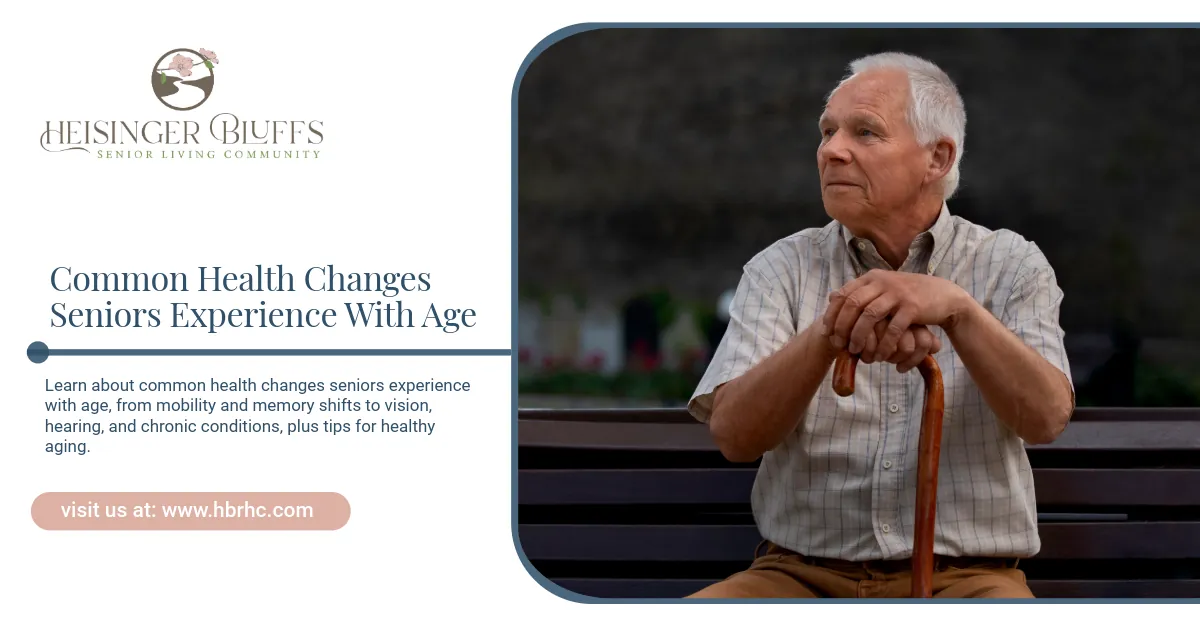
Aging is a natural part of life, and with it comes a variety of physical, mental, and emotional changes. Understanding common health changes seniors experience with age can help older adults and their families prepare, adapt, and make informed decisions that support long-term well-being and independence. While aging affects everyone differently, many changes are predictable and manageable with the right care, lifestyle adjustments, and support systems.
This guide explores the most common age-related health changes, what to expect, and practical ways seniors can maintain quality of life as they grow older.
Understanding the Aging Process
Aging is influenced by genetics, lifestyle choices, environment, and access to healthcare. Some changes happen slowly over decades, while others may appear more suddenly. Importantly, aging does not automatically mean poor health. Many seniors remain active, independent, and engaged well into later life.
Physical Health Changes Seniors Experience With Age
1. Changes in Mobility and Balance
One of the most noticeable age-related changes involves movement and physical strength. As people age, muscle mass naturally decreases, a condition known as sarcopenia. Joints may become stiffer, and bones can lose density.
Common effects include:
- Reduced strength and endurance
- Slower walking speed
- Increased risk of falls
- Joint pain or arthritis
Helpful strategies:
- Regular low-impact exercise, such as walking, swimming, or yoga
- Strength and balance training
- Proper footwear and fall-prevention measures
- Physical therapy when needed
2. Bone Health and Osteoporosis
Bone density typically peaks in early adulthood and gradually declines with age. Seniors, especially women, are at increased risk of osteoporosis, which can lead to fractures.
Signs and risks include:
- Fragile bones
- Stooped posture
- Height loss
- Higher fracture risk after falls
Supportive habits:
- Adequate calcium and vitamin D intake
- Weight-bearing exercises
- Bone density screenings
- Medication if prescribed
3. Cardiovascular Changes
The heart and blood vessels also change with age. Arteries may stiffen, and the heart may work harder to pump blood throughout the body.
Common cardiovascular changes:
- Higher blood pressure
- Increased risk of heart disease
- Reduced circulation
- Fatigue during activity
Managing heart health often includes regular checkups, a heart-healthy diet, physical activity, and medication management.
Sensory Changes With Aging
4. Vision Changes
Vision often changes gradually over time. While not all vision loss is preventable, many conditions can be managed effectively.
Common vision changes seniors experience with age:
- Difficulty seeing in low light
- Trouble focusing on close objects (presbyopia)
- Increased sensitivity to glare
- Higher risk of cataracts, glaucoma, and macular degeneration
Helpful tips:
- Routine eye exams
- Proper lighting at home
- Prescription eyewear
- Managing chronic conditions like diabetes
5. Hearing Loss
Age-related hearing loss, known as presbycusis, is very common among seniors. It often affects the ability to hear high-pitched sounds or follow conversations in noisy environments.
Signs include:
- Frequently asking others to repeat themselves
- Difficulty hearing on the phone
- Turning up the volume on devices
- Withdrawing from conversations
Early hearing evaluations and hearing aids can significantly improve communication and quality of life.
Cognitive and Mental Health Changes
6. Memory and Cognitive Changes
Some cognitive slowing is normal with age. Seniors may take longer to process information or recall names. However, severe memory loss is not a normal part of aging.
Typical age-related cognitive changes:
- Slower recall
- Occasional forgetfulness
- Reduced multitasking ability
Concerning signs may include:
- Confusion about time or place
- Difficulty completing familiar tasks
- Noticeable personality changes
Staying mentally active, socially engaged, and physically healthy can help support brain health.
7. Increased Risk of Dementia
While not all seniors develop dementia, the risk increases with age. Conditions such as Alzheimer's disease affect memory, thinking, and daily functioning.
Risk factors include:
- Advanced age
- Family history
- Cardiovascular disease
- Diabetes
Early evaluation and support planning are essential for maintaining dignity and quality of life.
Emotional and Mental Well-Being
8. Mood Changes and Depression
Mental health is a critical part of overall wellness. Seniors may experience emotional changes due to life transitions, health challenges, or the loss of loved ones.
Common emotional health concerns:
- Depression
- Anxiety
- Loneliness
- Grief
Staying socially connected, participating in meaningful activities, and seeking professional support when needed can make a significant difference.
9. Sleep Pattern Changes
Sleep patterns often change with age. Seniors may fall asleep earlier, wake up more frequently, or experience lighter sleep.
Common sleep challenges:
- Insomnia
- Daytime fatigue
- Sleep apnea
- Restless legs syndrome
Establishing consistent routines, reducing caffeine, and addressing medical issues can improve sleep quality.
Digestive and Metabolic Changes
10. Digestive System Changes
Aging can affect digestion and metabolism, sometimes leading to discomfort or nutritional concerns.
Common challenges include:
- Slower digestion
- Reduced appetite
- Constipation
- Changes in taste and smell
Balanced nutrition, hydration, and regular activity help support digestive health.
11. Changes in Metabolism and Weight
Metabolism tends to slow with age, making weight gain easier and weight loss more difficult.
Helpful strategies:
- Nutrient-dense meals
- Portion awareness
- Regular physical activity
- Monitoring weight changes
Immune System Changes
12. Weakened Immune Response
The immune system becomes less efficient with age, increasing susceptibility to infections and slower recovery times.
Key considerations:
- Staying up to date with vaccinations
- Practicing good hygiene
- Managing chronic conditions
- Seeking prompt medical care
Common Chronic Conditions in Seniors
Many seniors manage one or more chronic conditions that become more prevalent with age.
| Common Condition | Typical Impact | Management Strategies |
|---|---|---|
| Arthritis | Joint pain and stiffness | Exercise, medication, therapy |
| Diabetes | Blood sugar regulation issues | Diet, monitoring, medication |
| Heart Disease | Reduced circulation | Lifestlye changes, medication |
| Osteoporosis | Increased fracture risk | Supplements, screenings |
| COPD | Breathing difficulties | Pulmonary care, oxygen therapy |
Managing chronic conditions effectively often involves coordinated care, routine monitoring, and lifestyle adjustments.
Supporting Healthy Aging
Understanding common health changes seniors experience with age empowers individuals and families to plan. Healthy aging focuses on maintaining independence, dignity, and quality of life.
Key elements of healthy aging include:
- Regular preventive healthcare
- Physical activity suited to ability
- Mental and social engagement
- Safe living environments
- Access to supportive services
A supportive community and personalized care approach can help seniors adapt to changes while continuing to enjoy meaningful lives.
The Role of Supportive Living Environments
As health needs evolve, some seniors benefit from environments designed to support safety, wellness, and social connection. Communities that offer assistance with daily activities, wellness programming, and access to care can help seniors navigate age-related changes with confidence.
In the final stages of planning, families often explore options that balance independence with the right level of support. This is where communities like Heisinger Bluffs play an important role, offering a setting that adapts to changing health needs while promoting comfort, dignity, and engagement. Contact us today!
Frequently Asked Questions
Are health changes inevitable as seniors age?
Some changes are a natural part of aging, but many can be managed or delayed with healthyn habits, preventive care, and early intervention.
What are the most common health changes seniors experience with age?
Common changes include reduced mobility, vision, and hearing loss, cognitive slowing, chronic conditions, and changes in sleep and metabolism.
How can seniors maintain independence despite health changes?
Staying active, managing health conditions, using assistive devices when needed, and living in supportive environments all help maintain independence.
When should families be concerned about memory changes?
Occassional forgetfulness is normal, but persistent confusion, difficulty with daily tasks, or personality changes should be evaluated by a healthcare professional.
How can a senior living community support healthy aging?
Senior living communities provide structured support, social engagement, wellness programs, and assistance with daily needs, helping seniors adapt to health changes safely and comfortably.
Sources:
- https://www.mayoclinic.org/healthy-lifestyle/healthy-aging/in-depth/aging/art-20046070
- https://pmc.ncbi.nlm.nih.gov/articles/PMC3377163/
- https://www.mayoclinic.org/diseases-conditions/osteoporosis/symptoms-causes/syc-20351968
- https://medlineplus.gov/ency/article/004006.htm
- https://www.aao.org/eye-health/diseases/what-is-presbyopia
- https://www.hopkinsmedicine.org/health/conditions-and-diseases/presbycusis
- https://www.alz.org/alzheimers-dementia/what-is-alzheimers
- https://www.ncoa.org/article/the-top-10-most-common-chronic-conditions-in-older-adults/