
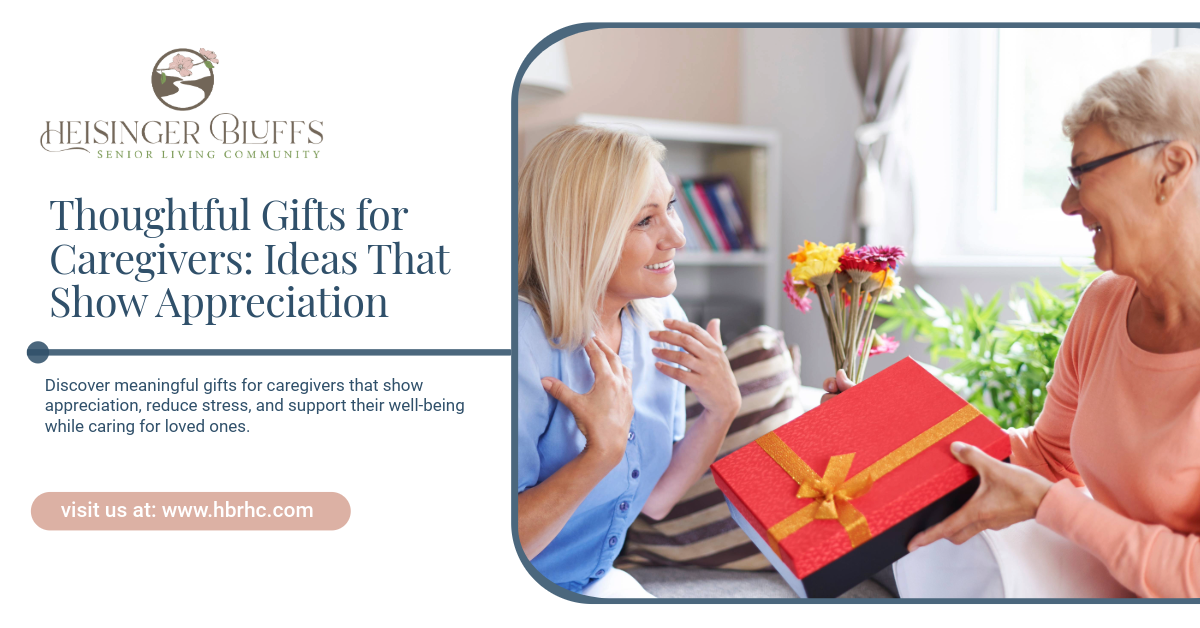
Thoughtful Gifts for Caregivers: Ideas That Show Appreciation
Key Highlights
- Caregivers often experience emotional and physical stress, making thoughtful gifts especially meaningful.
- The best gifts for caregivers focus on relaxation, convenience, and emotional support.
- Personalized and practical gifts can help caregivers feel recognized and appreciated.
- Small gestures—like handwritten notes or care packages—can have a powerful impact.
- Real-life experiences show that caregiver support improves both caregiver well-being and the quality of care they provide.
Caring for an aging parent, spouse, or loved one is a meaningful but demanding responsibility. Many caregivers dedicate significant time, energy, and emotional support to ensure their loved ones remain safe, healthy, and comfortable.
However, caregivers often neglect their own needs while focusing on others. That is why thoughtful gifts for caregivers can be so meaningful. A well-chosen gift can show appreciation, encourage self-care, and remind caregivers that their efforts are recognized.
In this guide, we’ll explore meaningful gift ideas for caregivers, explain why caregiver appreciation matters, and share real-world examples that highlight how small acts of gratitude can make a big difference.
Why Caregivers Deserve Recognition
Caregiving is both rewarding and challenging. According to the National Alliance for Caregiving, millions of adults in the United States provide unpaid care for family members each year.
Caregivers often manage responsibilities such as:
- medication reminders
- transportation to appointments
- meal preparation
- emotional support
- managing household tasks
- coordinating medical care
These responsibilities can lead to caregiver stress, fatigue, and burnout.
Recognizing caregivers with thoughtful gifts can help them feel supported and valued, which ultimately benefits both the caregiver and the person receiving care.
Real-Life Example: How Appreciation Supports Caregivers
Families sometimes underestimate how powerful a simple gesture can be. For example, one family caregiver shared that she spent nearly every day caring for her father after his surgery. She handled medications, transportation, meals, and household tasks while balancing work and family responsibilities. During the holidays, her siblings created a small “caregiver appreciation basket” that included:
- herbal teas
- a cozy blanket
- a gratitude card signed by the entire family
- a gift certificate for a massage
She later shared that the gesture meant more than the gifts themselves—it reminded her that her efforts were recognized and supported.
Experiences like this are common. When caregivers feel appreciated, they are more likely to maintain emotional resilience and avoid burnout.
Categories of Gifts for Caregivers
Choosing the right gift depends on the caregiver’s needs, personality, and lifestyle. The best gifts typically fall into a few key categories.
Self-Care Gifts for Caregivers
Caregivers often put their own well-being last. Self-care gifts encourage them to take time for themselves. Popular options include:
- spa gift certificates
- massage vouchers
- aromatherapy sets
- bath salts or relaxation kits
- weighted blankets
These gifts help caregivers relax and recharge after long days of caregiving.
Example from Practice: In senior living communities, families often create relaxation baskets for caregivers during appreciation events. These baskets typically include candles, tea, skincare items, and stress-relief tools. Many caregivers report that these gifts remind them to pause and prioritize their own health.
Practical Gifts That Make Daily Life Easier
Some of the most appreciated gifts for caregivers are practical tools that simplify everyday tasks. Examples include:
- grocery delivery subscriptions
- meal delivery services
- robotic vacuum cleaners
- planners or scheduling apps
- smart home devices
These gifts reduce the time caregivers spend on routine tasks, freeing up more time for rest or personal activities.
Personalized Gifts That Show Appreciation
Personalized gifts can be especially meaningful because they recognize the caregiver’s unique role. Some thoughtful personalized options include:
- engraved jewelry
- custom photo books
- framed family photos
- personalized mugs or blankets
- handwritten appreciation letters
These gifts highlight the emotional connection between caregivers and their families.
Comfort Gifts for Long Caregiving Days
Caregiving often involves long hours and physically demanding tasks. Comfort-focused gifts can help caregivers feel more relaxed and supported. Examples include:
- supportive slippers
- ergonomic pillows
- heated blankets
- comfortable lounge clothing
- high-quality coffee or tea
Small comfort upgrades can make daily routines more enjoyable.
Experience-Based Gifts
Instead of physical items, many caregivers appreciate experiences that allow them to relax and step away from responsibilities.
Examples include:
- concert tickets
- restaurant gift cards
- movie passes
- weekend getaway vouchers
- art or cooking classes
These experiences encourage caregivers to take a break and enjoy personal time.
Helpful Gift Ideas for Caregivers
The table below highlights practical gift ideas and how they benefit caregivers.
| Gift Idea | Why It Helps Caregivers |
|---|---|
| Massage or Spa Certificate | Reduces stress and encourages relaxation |
| Grocery Delivery Subscription | Saves time and reduces errands |
| Personalized Photo Album | Celebrates meaningful memories |
| Meal Delivery Service | Makes daily meals easier |
| Cozy Blanket or Weighted Blanket | Promotes comfort and relaxation |
| Handwritten Thank-You Letter | Provides emotional validation and appreciation |
These gifts focus on supporting both the physical and emotional well-being of caregivers.
DIY Gifts for Caregivers
Sometimes the most meaningful gifts are simple and personal. DIY caregiver gifts might include:
- homemade baked goods
- a handwritten appreciation journal
- a gratitude jar filled with notes from family members
- a homemade care package
These gifts require little expense but show genuine thoughtfulness.
Group Gifts from Family Members
When several family members contribute together, they can provide a larger and more impactful gift.
Examples include:
- paying for professional cleaning services
- funding a weekend vacation
- providing a full spa day experience
- covering transportation services for appointments
These gifts not only show appreciation but also reduce the caregiver’s responsibilities.
Supporting Caregivers Beyond Gifts
While gifts are meaningful, ongoing support is even more valuable. Families can support caregivers by:
- offering regular breaks
- sharing caregiving responsibilities
- scheduling respite care
- providing emotional encouragement
In caregiving environments, professionals often observe that caregivers thrive when families remain actively involved. For example, in senior care communities, family members who regularly check in and assist with caregiving responsibilities often help prevent caregiver burnout.
Case Example: How Support Changed a Caregiver’s Experience
Consider a family caring for an elderly mother with mobility challenges. Initially, the daughter managed all caregiving responsibilities alone, including cooking, transportation, and daily supervision. Over time, the physical and emotional strain became overwhelming.
The family eventually decided to support her in several ways:
- siblings rotated caregiving shifts
- a cleaning service was arranged monthly
- the family provided a wellness package with self-care items
Within months, the daughter reported feeling less overwhelmed and more capable of maintaining a healthy balance. This example highlights an important truth: gifts are meaningful, but consistent support is even more impactful.
When Caregivers Need Professional Support
In some cases, caregiving responsibilities may become too demanding for one person. Signs a caregiver may need additional support include:
- chronic exhaustion
- difficulty managing medical tasks
- emotional stress or frustration
- limited time for personal health or work
Professional senior living communities can provide supportive environments where caregivers receive assistance while their loved ones maintain independence and quality of life.
Choosing the Best Gift for a Caregiver
When selecting a gift for a caregiver, consider these questions:
- What challenges do they face daily?
- What would help them relax?
- What tasks could be simplified?
- What personal interests do they enjoy?
The best gifts address real needs while showing appreciation for the caregiver’s dedication.
Final Thoughts
Caregivers provide extraordinary support to their loved ones every day. Their dedication often goes unnoticed, yet their efforts make an enormous difference in the lives of older adults.
Thoughtful gifts for caregivers—whether practical, relaxing, or personalized—can help acknowledge their hard work and encourage them to prioritize their own well-being.
At Heisinger Bluffs, supporting caregivers and families is an important part of creating a compassionate senior living environment. By offering resources, community support, and comfortable living options for older adults, families and caregivers can find peace of mind while ensuring their loved ones receive the care and attention they deserve. Reach out today!
Frequently Asked Questions
What are the best gifts for caregivers?
The best gifts for caregivers focus on relaxation, convenience, and emotional appreciation, such as spa gift cards, meal delivery services, and personalized keepsakes.
Why is it important to give gifts to caregivers?
Caregiving can be physically and emotionally demanding. Gifts show appreciation and encourage caregivers to take time for self-care.
Are practical gifts better than sentimental gifts for caregivers?
Both types are meaningful. Practical gifts reduce daily stress, while sentimental gifts provide emotional recognition and appreciation.
What is a good inexpensive gift for a caregiver?
A handwritten thank-you letter, homemade care package, or personalized photo frame can be thoughtful and meaningful without being expensive.
How can families support caregivers beyond gifts?
Families can help by sharing responsibilities, offering regular breaks, arranging respite care, and providing emotional support.
Sources:
- https://www.caregiver.org/resource/caregiver-statistics-demographics/
- https://www.caringinfo.org/planning/caregiving/caregiver-duties-and-activities/
- https://my.clevelandclinic.org/health/diseases/9225-caregiver-burnout
- https://www.hopkinsmedicine.org/about/community-health/johns-hopkins-bayview/services/called-to-care/causes-symptoms-caregiver-burnout



Share This Article
You May Also Like To Read