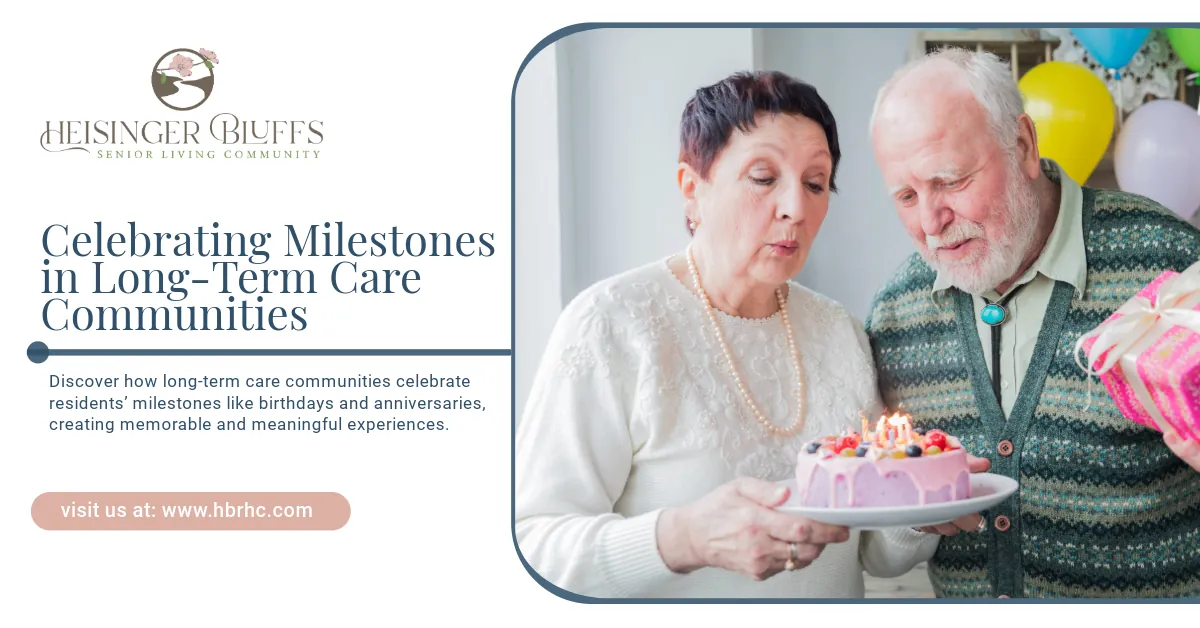
Milestones like birthdays, anniversaries, and personal achievements are opportunities to reflect on life's joys and create cherished memories. In long-term care communities, celebrating these moments takes on an even greater significance. Such celebrations strengthen bonds, foster a sense of belonging, and contribute to the emotional well-being of residents.
This blog explores how long-term care communities recognize and honor these milestones, making each event as special as the residents they celebrate.
Why Celebrating Milestones Matters
Emotional Well-being
Marking significant events provides residents with a sense of importance, boosting their self-esteem and happiness.
Strengthening Community Bonds
Celebrations foster connections among residents, staff, and families, building a supportive and inclusive community atmosphere.
Preserving Traditions
For many residents, milestones are linked to lifelong traditions. Recognizing these moments keeps their cherished customs alive.
Common Milestones Celebrated in Long-Term Care
1. Birthdays
Every birthday is a reason to celebrate, regardless of age. Long-term care communities often organize personalized parties, complete with decorations, favorite foods, and entertainment.
- Special Touches: Residents might receive handmade cards from staff or fellow residents, as well as small, thoughtful gifts.
- Family Involvement: Families are encouraged to join, bringing added joy to the celebration.
2. Anniversaries
For couples residing in the same community, anniversaries are a testament to enduring love. These occasions might include:
- Romantic dinners or a small party with friends and family.
- Sharing their love story with the community during a gathering.
3. Personal Achievements
Recognizing individual accomplishments—like completing a therapy program, learning a new skill, or volunteering within the community—is equally important. Such milestones reinforce a sense of purpose and accomplishment.
4. Group Achievements
Communities often celebrate collective milestones, such as the opening of a new facility or a successful fundraising event, creating shared moments of pride and unity.
Creative Ways Long-Term Care Communities Celebrate
1. Themed Celebrations
Themes can add excitement and personalization to milestone events. Examples include:
- Retro parties reflecting the resident’s favorite decade.
- Garden tea parties for outdoor enthusiasts.
2. Music and Entertainment
Music often plays a central role in celebrations, whether through live performances, sing-alongs, or curated playlists of a resident’s favorite songs.
3. Memory Displays
Creating photo boards or video montages that highlight the resident’s life journey is a heartfelt way to honor their legacy.
4. Special Meals
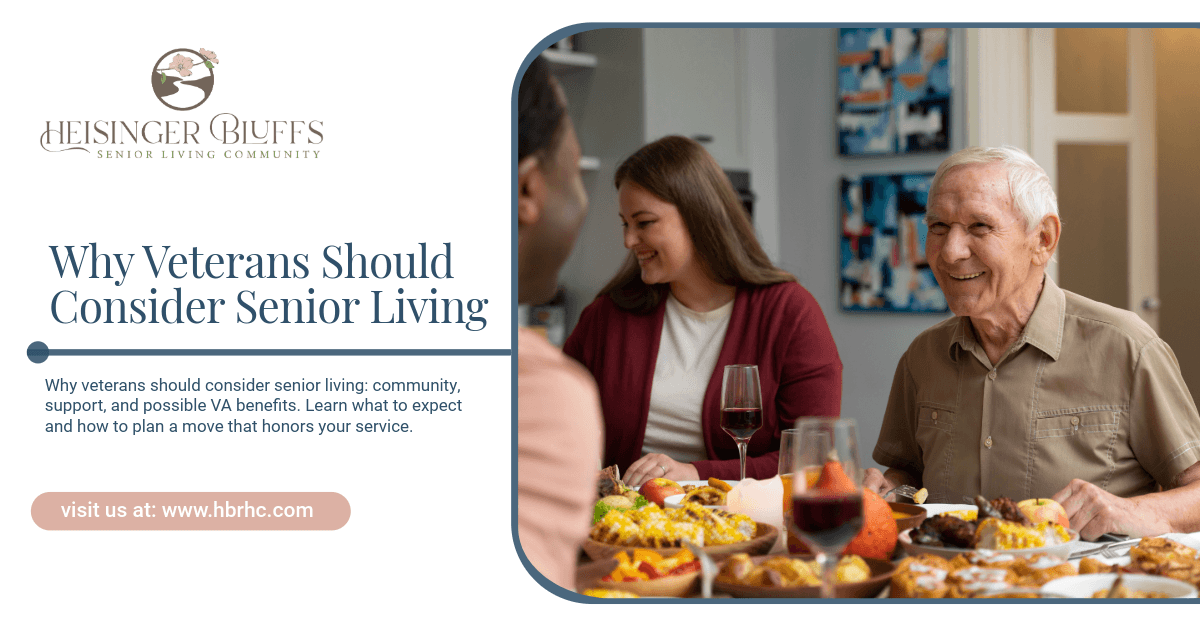
Celebrating with a meal tailored to the resident’s preferences—like their favorite dish or a cuisine from their culture—adds a meaningful touch.
5. Collaborative Projects
Group activities such as creating a milestone quilt or planting a commemorative tree allow everyone to contribute to the celebration.
The Role of Families in Celebrations
Active Participation
Families are vital in making milestone celebrations meaningful. Long-term care communities often involve them by:
- Inviting them to co-plan the event.
- Encouraging them to share stories, photos, or other memorabilia.
Bridging Generations
Milestone events are an excellent opportunity to connect multiple generations, allowing grandchildren and great-grandchildren to participate and form lasting memories with their loved ones.
Adapting Celebrations for Residents’ Needs
Inclusive Planning
Celebrations are tailored to the preferences, abilities, and comfort levels of each resident.
- For Mobility Challenges: Activities and venues are made accessible.
- For Cognitive Conditions: Simplified celebrations ensure inclusivity and enjoyment.
- For Dietary Restrictions: Menus are adapted to meet individual health requirements.
Quiet Alternatives
Not all residents enjoy large gatherings. For those who prefer smaller, quieter celebrations, communities offer personalized options like private meals or one-on-one activities.
Virtual Celebrations: Staying Connected Across Distances
When family members can’t be present in person, technology bridges the gap:
- Virtual Parties: Video calls allow loved ones to participate remotely.
- Digital Tributes: Families can share videos, messages, or photo slideshows during the event.
The Impact on Staff and Residents
For Staff
Participating in milestone celebrations fosters stronger relationships with residents, enriching the caregiving experience.
For Residents
Seeing their milestones recognized helps residents feel valued and appreciated, promoting emotional and social well-being.
Finding a Community Who Cares
AtHeisinger Bluffs, we believe every milestone is worth celebrating. From birthdays to personal achievements, our team works closely with residents and their families to create meaningful and joyful events that honor life’s precious moments. Contact us to learn more about our supportive and vibrant community.
Frequently Asked Questions
How do long-term care communities ensure celebrations are inclusive?
Communities tailor events to individual needs and preferences, ensuring accessibility, comfort, and meaningful participation for every resident.
Can family members bring personal touches to celebrations?
Yes, families are encouraged to contribute decorations, food, or mementos that make the celebration more personal and heartfelt.
What if a resident prefers a quiet celebration?
Staff accommodate preferences by organizing intimate celebrations, such as private meals, small group activities, or one-on-one moments with loved ones.