
Who Is Not Appropriate for Assisted Living?

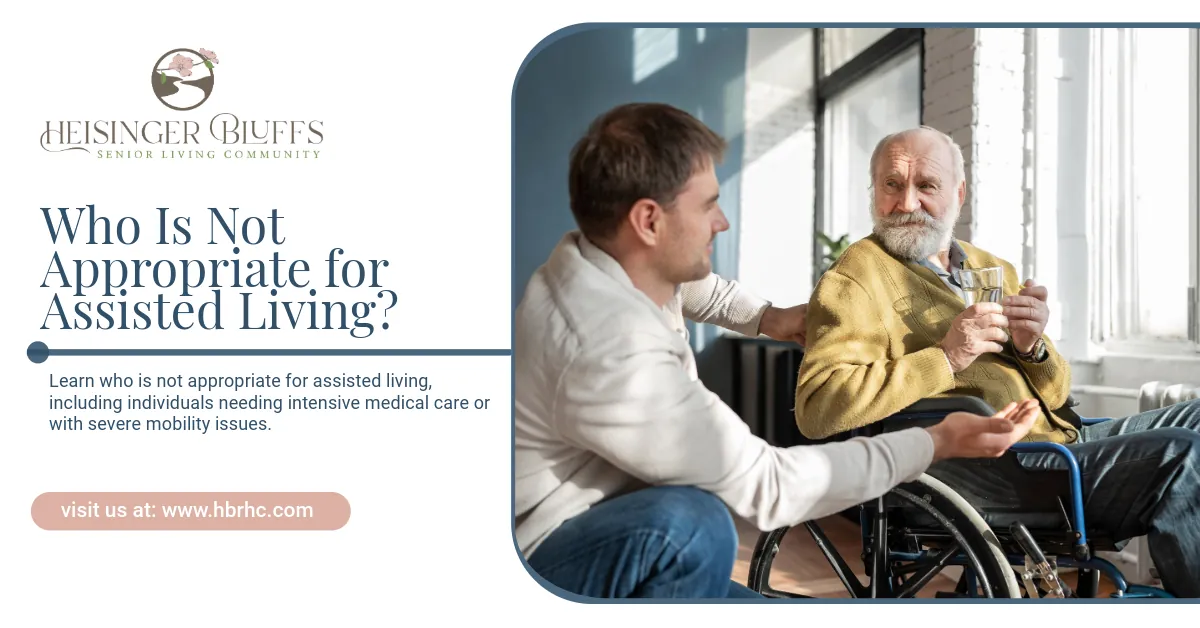
A man is talking to an elderly man in assisted living

Assisted living communities are ideal for seniors who need some daily support but can still live somewhat independently. However, not everyone is a good fit.


Seniors who need 24/7 skilled nursing care, such as those requiring IV therapy, advanced wound care, or frequent medical monitoring, are better suited for nursing homes or hospitals. Likewise, individuals with advanced dementia or Alzheimer’s who wander, act aggressively, or require constant supervision may need memory care.


Severe mobility issues can also be a concern. Residents usually need to be able to move with minimal help. Those who are fully bedridden or require two-person transfers may not be safe in an assisted living setting.

Additionally, individuals with unmanaged mental health conditions that pose a risk to themselves or others may not be appropriate candidates.


At Heisinger Bluffs, we offer a full continuum of care and can help families decide the best fit for their loved one.


Frequently Asked Questions

  • Can someone with dementia live in assisted living?

    Yes, if symptoms are mild to moderate.

  • Is assisted living like a hospital?

    No. It offers support, not round-the-clock medical care.

  • What if my loved one needs more care later?

    Some communities, like Heisinger Bluffs, offer higher levels of care.


Sources:

  1. https://www.medline.com/skin-health/advanced-wound-care/
  2. https://www.nia.nih.gov/news/maintaining-mobility-and-preventing-disability-are-key-living-independently-we-age
Heisinger Bluffs logo
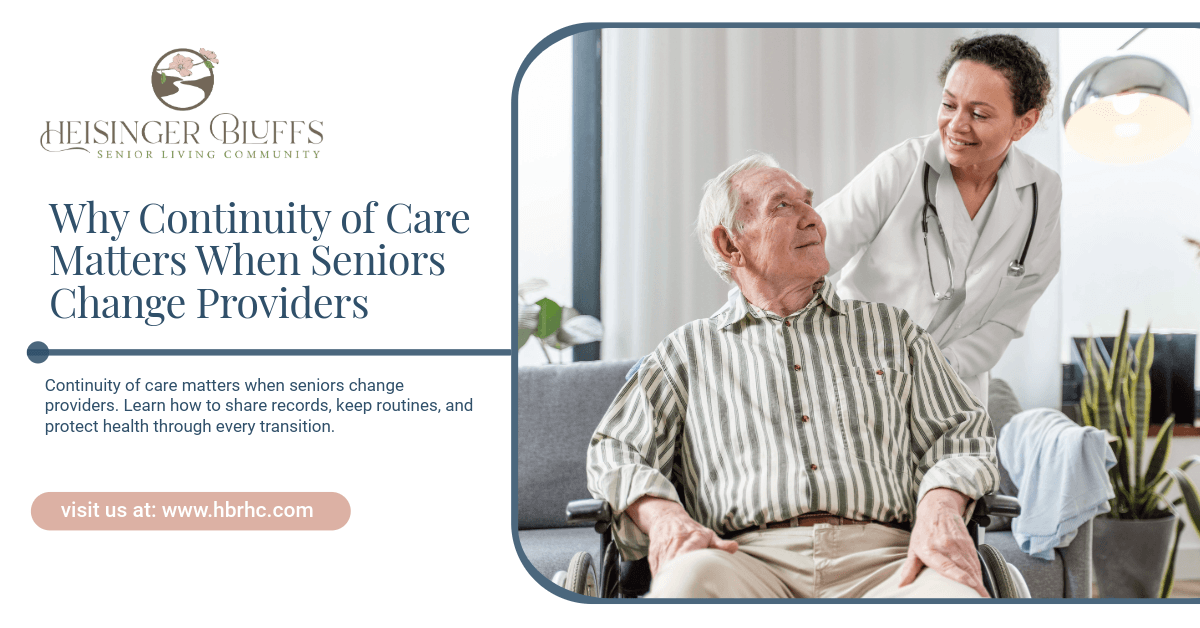
A nurse sitting next to an elderly woman on a couch
SCHEDULE A TOUR
Google rating average 4.65 rating out of 60 reviews

Want to know more?

Share This Article

You May Also Like To Read

A nurse assisting an elderly woman in bed;
By Heisinger Bluffs Editorial January 21, 2026
Learn when physical changes are a medical emergency and which warning signs in older adults require immediate care.
Older adult with hands on face, looking distressed.
By Heisinger Bluffs Editorial January 21, 2026
Learn what causes paranoia in older adults, including medical, cognitive, and emotional factors families should recognize.
An elderly woman with her hands covering her face, losing interest in her hobby
By Heisinger Bluffs Editorial January 21, 2026
Is it normal for seniors to lose interest in hobbies? Learn common reasons, when to be concerned, and how families can help.
A caregiver with her head in her hands, looking exhausted, sits near an elderly person in a wheelcha
By Heisinger Bluffs Editorial January 21, 2026
Learn what caregiver burnout is, its common symptoms, causes, and how families can recognize and prevent caregiver burnout.
An elderly man sitting on a desk, scratching his head, showing confusion
By Heisinger Bluffs Editorial January 21, 2026
Learn the most common challenges seniors face, from health changes to social isolation, and how families can better support aging adults.
Smiling senior couple holding mugs, sitting outdoors with fruits.
By Heisinger Bluffs Editorial January 21, 2026
Discover essential preventive healthcare tips for seniors, from screenings to lifestyle changes, to stay healthy and active.
More Posts