

Training Matters: What Training Do You Need for Dementia Caregiving?
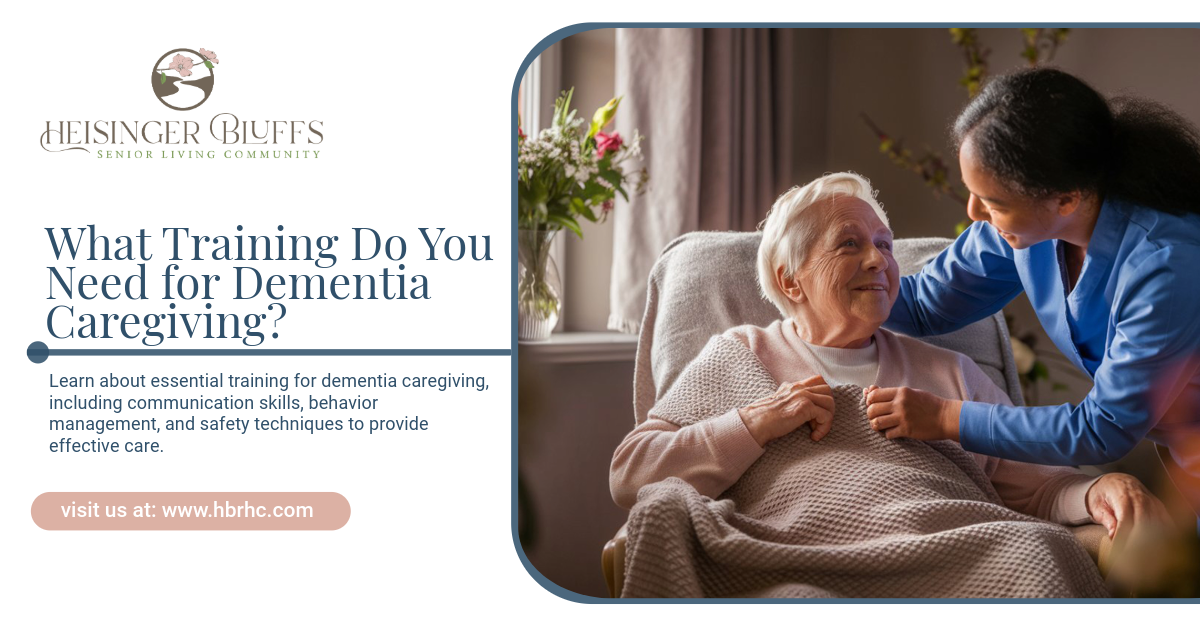
Dementia caregiving requires specialized training to address the unique challenges of caring for someone with cognitive decline. Key training areas include:
- Understanding Dementia: Caregivers must learn about the types, stages, and symptoms of dementia to anticipate needs and behaviors.
- Effective Communication: Training focuses on using clear, simple language, nonverbal cues, and patience to improve interactions.
- Behavior Management: Caregivers learn techniques to handle common behaviors like agitation, confusion, and wandering safely and compassionately.
- Safety and Emergency Response: Training covers creating a safe environment, fall prevention, and how to respond to emergencies.
- Personal Care Skills: Assistance with daily living activities like bathing, dressing, and eating requires sensitivity and respect.
- Emotional Support: Caregivers learn to provide emotional reassurance and support to both the person with dementia and their families.
Formal dementia caregiving programs, workshops, or certifications help caregivers build these skills.
For families seeking expert dementia and memory care services, Heisinger Bluffs provides trained staff dedicated to compassionate, professional dementia caregiving.
Frequently Asked Questions
Is formal certification required for dementia caregiving?
Not always, but certification improves skills and care quality.
Can family members receive dementia caregiving training?
Yes, many programs offer training specifically for family caregivers.
How often should dementia caregivers update their training?
Regular updates are recommended to stay current with best practices and new research.
Sources:
- https://www.alz.org/help-support/caregiving


Share This Article
You May Also Like To Read
Wondering when long-term care for seniors is recommended? Learn the key signs, care options, and how families can decide on the right time to move.
Learn how speech therapy after a health setback helps seniors recover speech, swallowing, memory, and confidence after a stroke, illness, or surgery.
Considering a career in senior care? Learn about roles, training, skills, pay factors, and growth paths to decide if this rewarding field is right for you.
Touring a skilled nursing community? Learn the key questions to ask about the skilled nursing care team, from staffing and training to communication.
Activities of Daily Living are the six basic self care tasks that shape senior care needs. Learn what they are, how they are assessed, and why they matter.
Wondering when assisted living becomes safer than living alone? Learn the real warning signs, hidden risks, and how to know it is time to make a change.