
Benefits of Moving to a Senior Living Community
Moving to a senior living community is a major life transition, often met with mixed emotions. While some may feel excited about a new chapter, others may worry about leaving their familiar surroundings. However, senior living communities offer significant psychological benefits that can enhance overall well-being, happiness, and peace of mind.
A well-structured senior living environment fosters social connections, reduces stress, and provides a sense of security. These factors contribute to improved mental and emotional health, allowing seniors to enjoy a fulfilling and enriched lifestyle.
In this blog, we’ll explore the key psychological benefits of transitioning to a senior living community and how it can lead to a healthier, more engaging life.
1. Reduced Stress and Anxiety
Aging can bring unique stressors, including concerns about health, home maintenance, and personal safety. Living alone can increase feelings of uncertainty, making everyday tasks seem overwhelming.
Worry-Free Living
In a senior living community, daily responsibilities such as housekeeping, meal preparation, and home repairs are taken care of, allowing residents to focus on enjoying life rather than managing stressful chores.
Increased Safety and Security
Knowing that help is always available in case of an emergency provides peace of mind. Most senior living communities offer 24/7 staff support, emergency response systems, and secure living environments, reducing concerns about accidents or health issues.
Predictable Costs
Financial uncertainty can be a significant source of stress. Senior living communities typically offer all-inclusive pricing or predictable monthly expenses, reducing the financial unpredictability of managing a home.
2. Combating Loneliness and Isolation
Loneliness is a serious issue among older adults, often leading to depression and cognitive decline. A lack of social interaction can negatively impact mental health, making it essential to stay engaged with others.
Built-In Social Opportunities
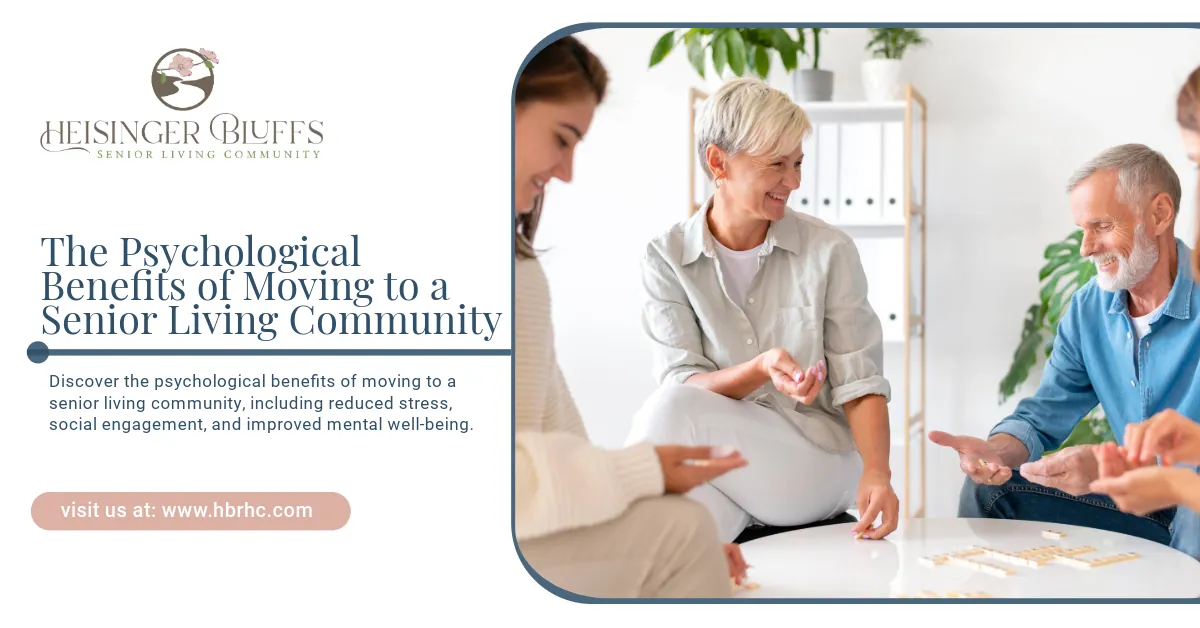
One of the biggest advantages of senior living communities is the abundance of social activities. Residents have access to group outings, hobby clubs, fitness classes, and communal dining, creating natural opportunities for meaningful interactions.
A Sense of Community
Living among peers fosters a sense of belonging. Whether it’s chatting with neighbors, participating in group activities, or celebrating special occasions together, the feeling of being part of a supportive community enhances emotional well-being.
Pet-Friendly Environments
Many senior living communities welcome pets, which can provide companionship and reduce feelings of loneliness. The presence of pets has been shown to lower stress levels and increase happiness.
3. Improved Mental Stimulation and Cognitive Health
Keeping the mind engaged is crucial for maintaining cognitive function and preventing decline. A senior living community provides numerous opportunities to stay mentally active.
Lifelong Learning Opportunities
Many communities offer educational programs, guest lectures, and creative workshops, allowing residents to learn new skills and challenge their minds.
Access to Games and Puzzles
Activities like chess, crossword puzzles, and board games stimulate brain function and improve memory, helping to maintain cognitive health.
Technology Support
With access to technology classes and support, seniors can stay connected with loved ones through video calls, social media, and online learning platforms.
4. Increased Sense of Purpose
Retirement and aging can sometimes lead to a loss of purpose, especially after leaving long-time careers or raising families. Senior living communities help residents rediscover their passions and stay engaged in meaningful activities.
Volunteering and Mentorship Programs
Many communities offer volunteer opportunities within and outside the facility, allowing residents to contribute their time and skills to meaningful causes.
Leadership and Participation in Resident Committees
Seniors can take on active roles in organizing events, leading clubs, or serving on community councils, providing a sense of accomplishment and purpose.
Spiritual and Religious Support
Faith-based gatherings, meditation groups, and chaplain services help seniors stay connected to their spiritual beliefs and find comfort in shared values.
5. Strengthened Emotional Well-Being
Moving to a senior living community can have a profound positive impact on emotional health, helping residents feel happier and more fulfilled.
A Positive and Engaging Environment
Living in a community designed for seniors ensures access to uplifting activities, new friendships, and a worry-free lifestyle that promotes happiness.
Access to Emotional Support Services
Many communities offer mental health support, grief counseling, and therapy services to help residents navigate life’s challenges.
Celebrating Milestones Together
Birthdays, anniversaries, and holiday celebrations become more meaningful when shared with a supportive community, reducing feelings of loneliness.
6. Encouraging Physical Health and Well-Being
A strong mind and healthy body go hand in hand. Engaging in physical activities can improve mood, reduce stress, and enhance overall well-being.
Fitness Classes and Wellness Programs
From yoga and tai chi to strength training and swimming, senior living communities provide a variety of fitness programs tailored to different ability levels.
Nutritionally Balanced Meals
Proper nutrition plays a critical role in mental health. Most communities offer well-balanced meals that support both physical and emotional well-being.
Access to On-Site Healthcare Services
Having medical support nearby provides reassurance, ensuring that seniors receive the care they need when they need it.
7. Making the Transition Easier
Adjusting to a new living environment takes time, but the benefits of a senior living community far outweigh initial challenges.
Personalized Support from Staff
Senior living staff are trained to help new residents adjust by introducing them to others, suggesting activities, and providing guidance during the transition.
Family Involvement and Visits
Families are encouraged to remain involved, with many communities offering guest accommodations, family events, and open visitation policies.
Gradual Adjustment Options
Some communities offer trial stays or short-term visits to allow seniors to experience the lifestyle before making a permanent move.
Conclusion
The psychological benefits of moving to a senior living community extend far beyond convenience. Reduced stress, increased social engagement, cognitive stimulation, and a renewed sense of purpose all contribute to a happier and healthier life.
At Heisinger Bluffs, we are committed to providing a welcoming, enriching environment where seniors can thrive emotionally, socially, and mentally. If you or your loved one is considering a move, we invite you to visit our community and experience the positive impact of senior living. Contact us today to learn more.
Frequently Asked Questions
Will I feel isolated in a senior living community?
No, senior living communities are designed to foster social interaction. With various activities, communal dining, and supportive staff, residents have numerous opportunities to engage with others and build friendships.
What if I have trouble adjusting to the new environment?
Adjusting to any change takes time, but senior living staff are there to help make the transition smooth. Participating in activities, connecting with residents, and involving family members can ease the adjustment process.
How does senior living benefit my mental health compared to living alone?
Senior living communities provide social engagement, mental stimulation, and emotional support, which can significantly reduce stress, loneliness, and anxiety. Having access to structured activities and a secure environment enhances overall well-being.
Sources:
- https://pmc.ncbi.nlm.nih.gov/articles/PMC3428505/
- https://www.nhs.uk/mental-health/feelings-symptoms-behaviours/feelings-and-symptoms/loneliness-in-older-people/
- https://www.health.harvard.edu/blog/nutritional-psychiatry-your-brain-on-food-201511168626
- https://www.psychologytoday.com/us/blog/the-athletes-way/202112/want-keep-your-mind-sharp-keep-your-body-strong