
Nursing Home Care: Providing 24/7 Skilled Care for Your Loved One in Jefferson City
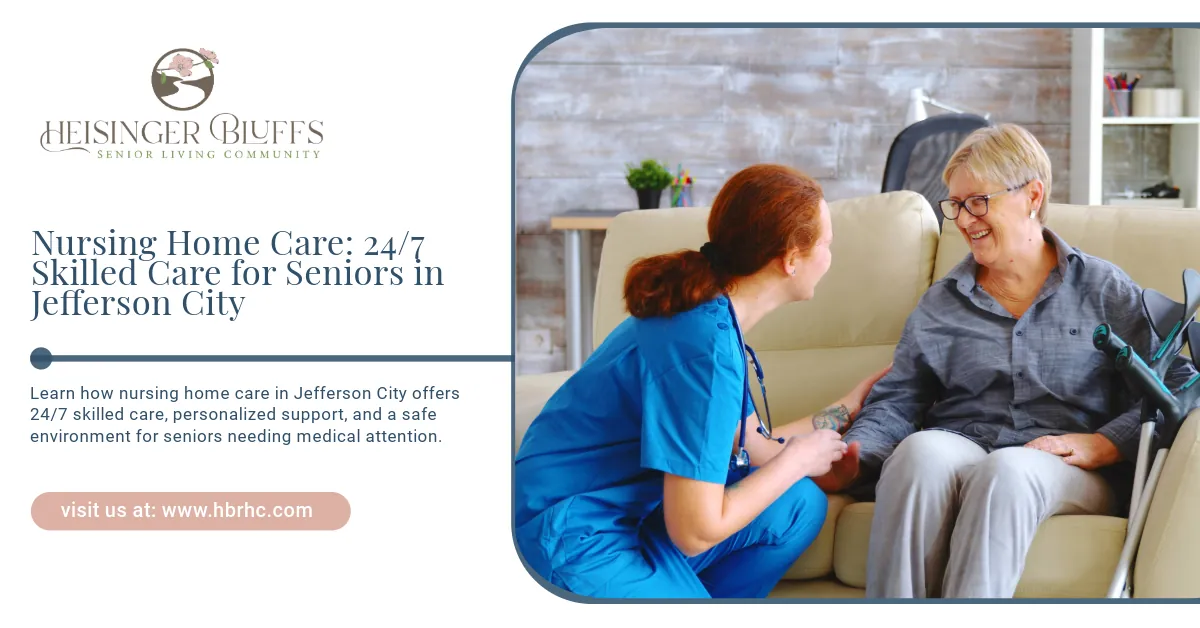
As loved ones age, their needs often shift from occasional assistance to requiring round-the-clock care and medical attention. When this happens, families may begin to consider nursing home care as a solution to ensure their loved ones receive the continuous support they need. Nursing homes provide 24/7 skilled care, combining medical expertise with personalized support to improve the quality of life for seniors who need ongoing assistance.
This blog will explore the benefits of nursing home care for seniors who require medical attention, detailing the comprehensive services and compassionate care available in Jefferson City, MO.
What Is Nursing Home Care?
Nursing homes, also known as skilled nursing facilities, offer comprehensive care to seniors who need constant medical supervision, nursing support, and help with daily activities. Unlike other senior living options, such as independent or assisted living, nursing homes cater to individuals with significant health conditions or those recovering from surgery, illness, or injury.
The primary focus of nursing home care is providing 24/7 access to skilled medical professionals, such as nurses, therapists, and physicians. These facilities are equipped to handle complex medical needs, administer medications, and provide therapies, ensuring that residents are well-cared for around the clock.
Key Benefits of Nursing Home Care
Nursing homes offer a range of benefits that ensure seniors receive the highest level of care in a safe and nurturing environment. Some of the key advantages include:
1. 24/7 Skilled Medical Care
One of the most significant benefits of nursing home care is the availability of skilled medical professionals at all times. This is especially crucial for seniors with chronic illnesses, mobility issues, or those recovering from surgery. Nursing homes are staffed with licensed nurses and trained caregivers who can:
- Administer medications
- Monitor vital signs
- Provide wound care
- Assist with mobility and fall prevention
- Address sudden health changes
For families with loved ones who require constant medical attention, having peace of mind that professionals are always nearby can be invaluable.
2. Personalized Care Plans
Each resident in a nursing home receives a personalized care plan tailored to their specific needs. This plan is created in collaboration with medical professionals, the resident, and their family, ensuring that every aspect of care is individualized. Care plans address:
- Medical treatments and therapies
- Dietary needs
- Personal preferences for daily routines
- Mental and emotional health support
This customized approach ensures that seniors receive the care they need to thrive physically, emotionally, and socially.
3. Assistance with Activities of Daily Living (ADLs)
Many seniors living in nursing homes need help with activities of daily living (ADLs), which are essential tasks such as:
- Bathing
- Dressing
- Eating
- Toileting
- Transferring (getting in and out of bed or chairs)
Nursing homes provide support for these tasks, ensuring that residents maintain dignity and independence while receiving the help they need to stay healthy and comfortable.
4. Safe and Supportive Environment
For seniors with mobility issues or cognitive impairments, home safety can be a significant concern. Falls, accidents, and medication mishaps can lead to serious health problems. Nursing homes are designed with senior safety in mind, offering:
- Handrails and non-slip flooring
- Accessible bathrooms
- Emergency call systems
- 24-hour monitoring by staff
This supportive environment reduces the risk of injury and ensures that help is always available in case of an emergency.
5. Access to Specialized Therapies
Nursing homes offer access to a variety of therapies to help residents maintain or improve their physical and mental well-being. These include:
- Physical therapy: Helps residents regain strength, balance, and mobility after an illness or injury.
- Occupational therapy: Assists with adapting to daily tasks and improving fine motor skills, often important for those recovering from strokes or other health challenges.
- Speech therapy: Provides support for seniors with speech, swallowing, or communication difficulties.
These therapies are conducted by licensed professionals who work closely with residents to create achievable goals and monitor progress over time.
6. Socialization and Emotional Support
Isolation and loneliness are common concerns for seniors, especially those with limited mobility or cognitive impairments. Nursing homes create a sense of community, offering opportunities for social interaction and emotional support. Many facilities have structured activities and events, including:
- Group outings
- Arts and crafts
- Music therapy
- Game nights
- Religious services
These activities foster a sense of belonging and help seniors stay engaged, both mentally and emotionally. Being surrounded by peers and caregivers who understand their needs can greatly enhance their quality of life.
7. Nutritious Meals and Dietary Support
Maintaining a healthy diet is essential for seniors, especially those with medical conditions that require specific dietary restrictions. Nursing homes provide well-balanced, nutritious meals that cater to each resident’s dietary needs. In addition to offering meals, many nursing homes have dietitians on staff who work with residents to ensure they are getting the right nutrients. Special attention is given to:
- Diabetic-friendly diets
- Heart-healthy meals
- Texture-modified diets (for those with swallowing difficulties)
These meals are often served in a communal dining setting, which encourages social interaction and makes mealtime enjoyable.
When Is It Time to Consider Nursing Home Care?
Deciding when to transition a loved one to nursing home care can be a difficult and emotional decision. However, there are several signs that it might be time to consider this level of care for a senior loved one:
1. Increased Medical Needs
If your loved one’s health is declining, and they require more medical supervision than can be provided at home or in an assisted living facility, nursing home care might be the best option. Conditions such as advanced dementia, heart disease, or recovery from surgery may require the round-the-clock care that nursing homes provide.
2. Frequent Falls or Injuries
Frequent falls or injuries are a sign that a senior may no longer be safe living alone. Nursing homes offer a safe environment with fall-prevention measures and immediate access to medical help if needed.
3. Caregiver Burnout
Family members who are providing care may find that the physical and emotional toll becomes overwhelming. If caregiving responsibilities are leading to burnout, it’s important to recognize that nursing home care can offer professional support while allowing family members to focus on spending quality time with their loved ones.
4. Challenges with Daily Living Activities
If a senior struggles with basic daily tasks such as eating, bathing, or dressing, it may be time to consider nursing home care. The assistance provided in these facilities ensures that residents can maintain their dignity while receiving the help they need.
5. Cognitive Decline
Seniors with Alzheimer’s disease or other forms of dementia often require specialized care that nursing homes can provide. Memory care units within nursing homes offer a structured environment designed to support residents with cognitive impairments, ensuring they are safe, comfortable, and engaged.
How to Choose the Right Nursing Home in Jefferson City
Choosing the right nursing home for your loved one is an important decision, and several factors should be considered to ensure the best fit. When evaluating nursing homes, consider the following:
- Quality of care: Look for nursing homes with a reputation for providing high-quality, compassionate care.
- Staff-to-resident ratio: A lower ratio of residents to staff means more personalized attention.
- Amenities: Consider what activities, therapies, and services are offered to enhance residents’ quality of life.
- Location: Proximity to family members is important, as frequent visits can have a positive impact on a resident’s well-being.
- Licensing and certifications: Ensure the facility is licensed and has a good track record with state inspections.
Visiting the facility and speaking with staff can also provide valuable insight into the environment and quality of care. It’s important to choose a nursing home that aligns with your loved one’s needs and preferences.
Conclusion: Skilled Care for Your Loved One
Making the decision to transition a loved one into nursing home care is never easy, but it can provide the peace of mind that comes with knowing they are receiving the skilled care and support they need. Nursing homes offer a compassionate and professional environment that prioritizes safety, health, and emotional well-being.
At Heisinger Bluffs, we are committed to offering high-quality, round-the-clock care to seniors in Jefferson City. Our skilled nursing staff, personalized care plans, and vibrant community provide the support needed for residents to live comfortably and securely. If you are considering nursing home care for your loved one, we invite you to explore our community and learn more about how we can meet their unique needs.